Tungsten Powder vs. Tungsten Carbide Powder: Key Differences
Writer: admin Time:2026-02-28 17:32:38
Tungsten powder and tungsten carbide powder are two essential materials in modern manufacturing, particularly in the cemented carbide industry. Although their names are often mentioned together in market quotations, they differ fundamentally in chemical nature, application, and market logic.
1. Chemical Nature: Metal vs. Compound
Tungsten powder (W) is the fundamental raw material for manufacturing various tungsten products and the starting point of tungsten metallurgy. It is a pure metal powder, typically produced by reducing ammonium paratungstate (APT).
Tungsten carbide powder (WC) is a value-added product derived from tungsten powder. It is formed by the high-temperature carburization of tungsten powder with carbon, resulting in an extremely hard metal-ceramic compound.
2. Core Properties and Primary Applications
The distinct properties of these two materials lead them to vastly different fields of application.
Tungsten Powder: As a pure metal, it exhibits good ductility, electrical conductivity, and a high melting point (3422°C). Its main applications include:
Foundation for further processing: As the base material for melting tungsten ingots, forging, and drawing tungsten products such as rods and electrodes.
Source material for specialty products: It is the starting point for manufacturing tungsten wire (used in lighting, electronics, and as diamond wire saw core wire), various tungsten alloys (e.g., high-density alloys), and all other tungsten compounds (including tungsten carbide itself).
Additive: Used in small quantities as an alloying element in steel or other alloys to improve strength and heat resistance.
Tungsten Carbide Powder: The addition of carbon creates a revolutionary leap in performance. It possesses extremely high hardness (Vickers hardness 2200-2400, second only to diamond), excellent wear resistance, good hot hardness, and considerable compressive strength. Its dominant applications are:
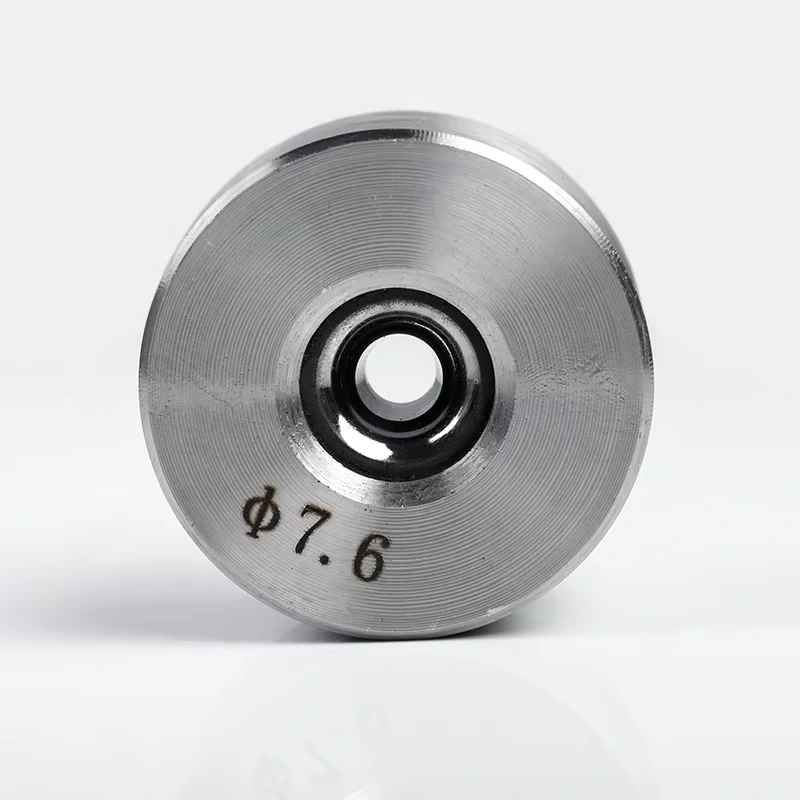
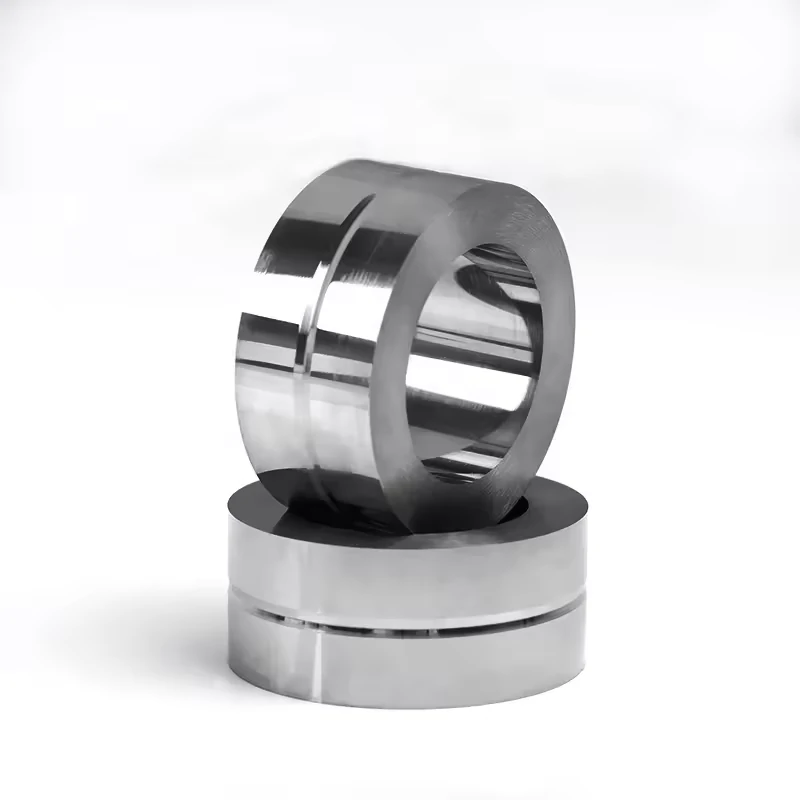
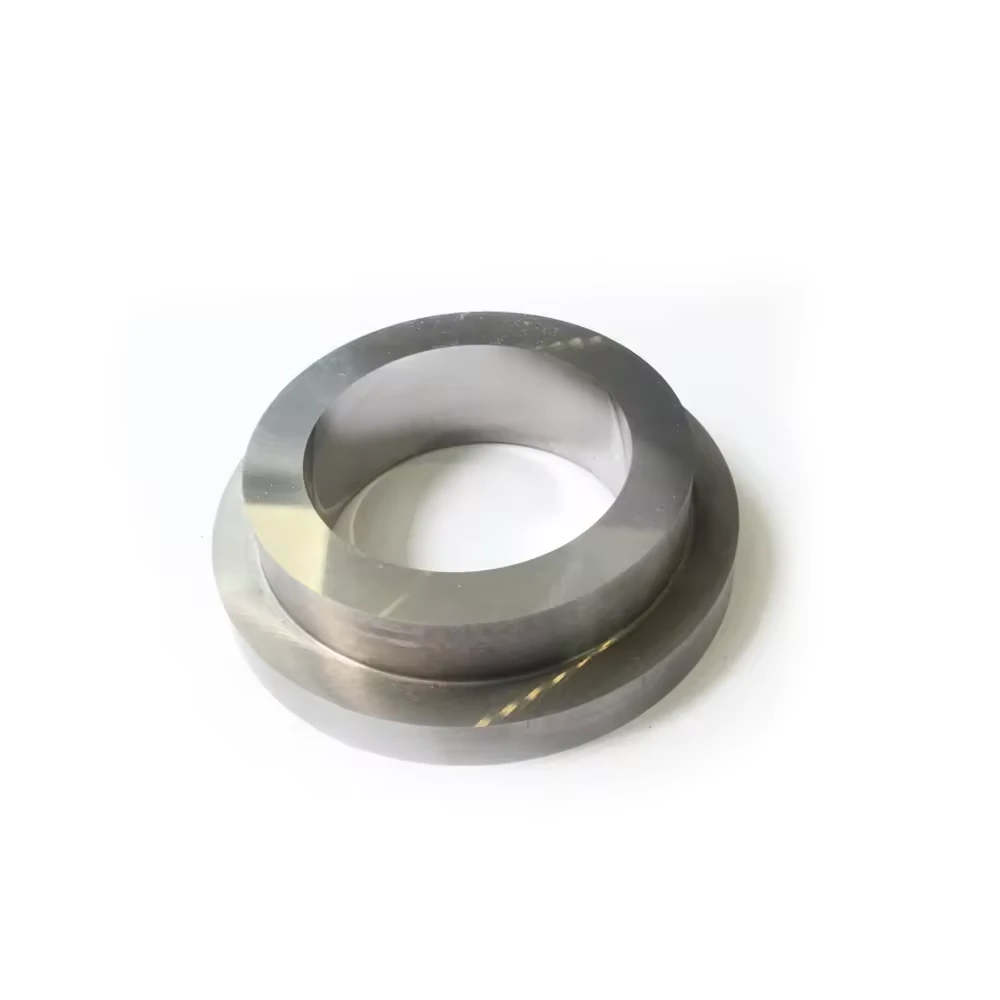
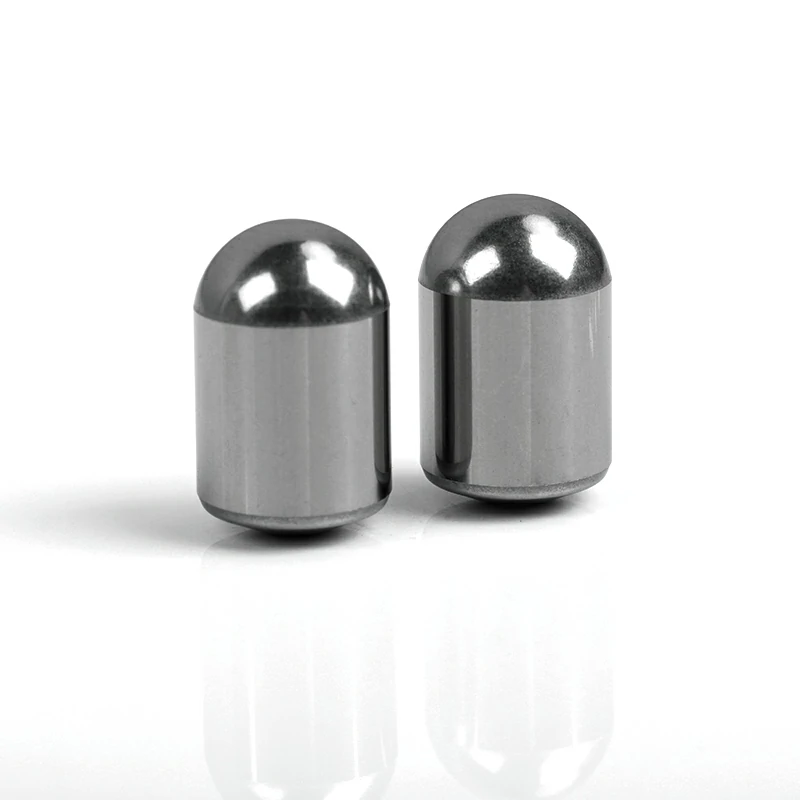
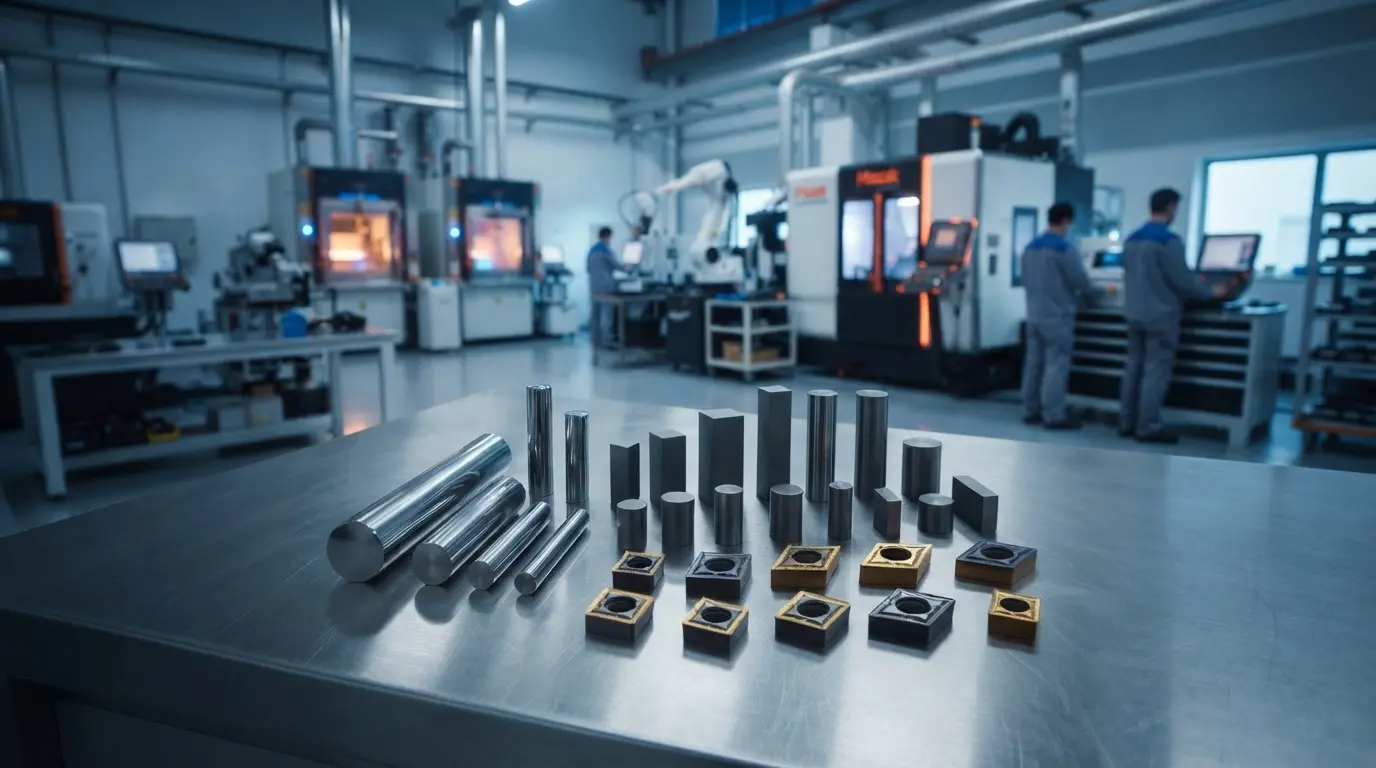
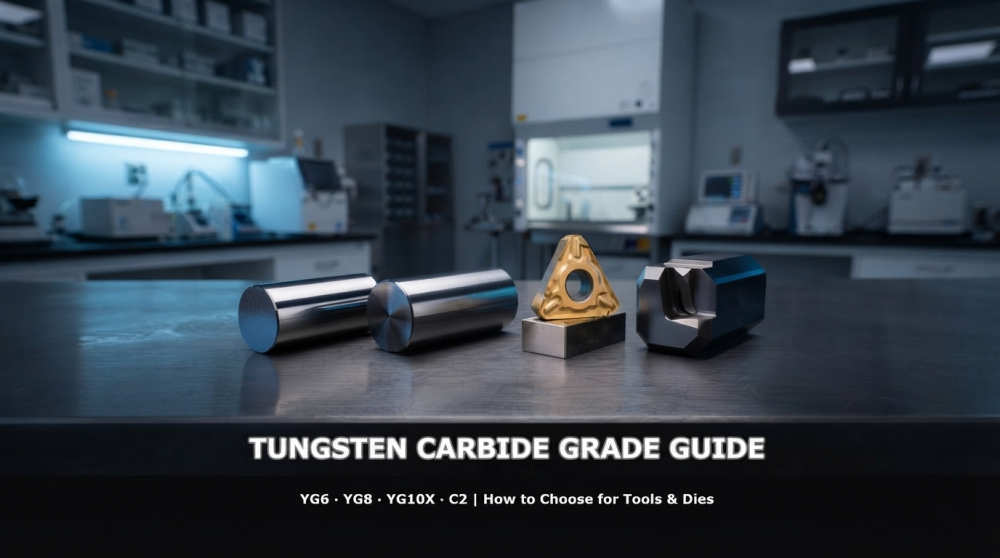
The "Skeleton" of Cemented Carbide: Mixed with metallic binders such as cobalt (Co) or nickel (Ni), tungsten carbide powder is sintered through powder metallurgy to produce cemented carbide—widely known as the "teeth of industry." This material is crucial for manufacturing high-performance cutting tools, mining and drilling tools, wear-resistant parts, and more.
Thermal Spraying and Wear-Resistant Coatings: Used directly as a feedstock for thermal spray processes (e.g., plasma spraying) to apply an extremely hard protective layer to mechanical components.
Cermets and Composite Materials: Serving as a reinforcement phase in the creation of high-performance composite materials.
3. Market Logic: The Twin Engines of Cost Pass-Through and Demand Pull
The current market prices (referencing the Feb. 28, 2026, market report: tungsten powder ~ RMB 1940/kg, tungsten carbide powder ~ RMB 1880/kg) and their sustained upward trend clearly reveal distinct market drivers.
Tungsten powder is a cost-driven product. Its price is primarily determined by the supply and mining costs of upstream tungsten concentrates (scheelite/wolframite). Increases in tungsten powder prices directly raise the cost base for all downstream tungsten products.
Tungsten carbide powder, conversely, is a demand-pull product. While influenced by the cost of tungsten powder, its price is more directly linked to the economic vitality of the downstream cemented carbide industry. The recent synchronized price increases for both materials, particularly the firmness of tungsten carbide powder prices, strongly suggest that the current uptrend is not merely a matter of cost-push inflation. It is fueled by robust demand from the manufacturing, energy, and mining sectors for cemented carbide tools (such as cutting inserts and drill bits). This creates a powerful demand-pull dynamic that propagates from the end-use market upstream.
Currently, this "twin-engine" dynamic—comprising cost pass-through from raw materials and demand pull from end-user industries—remains active. Consequently, the upward trend in daily market quotations is expected to persist.