How to Select the Optimal W-Cu Ratio for Your Application
Writer: admin Time:2026-03-26 10:44:14
Material Mismatch Causes 80% of Electrode Wear: How to Select the Optimal Tungsten-Copper Ratio for Your Application
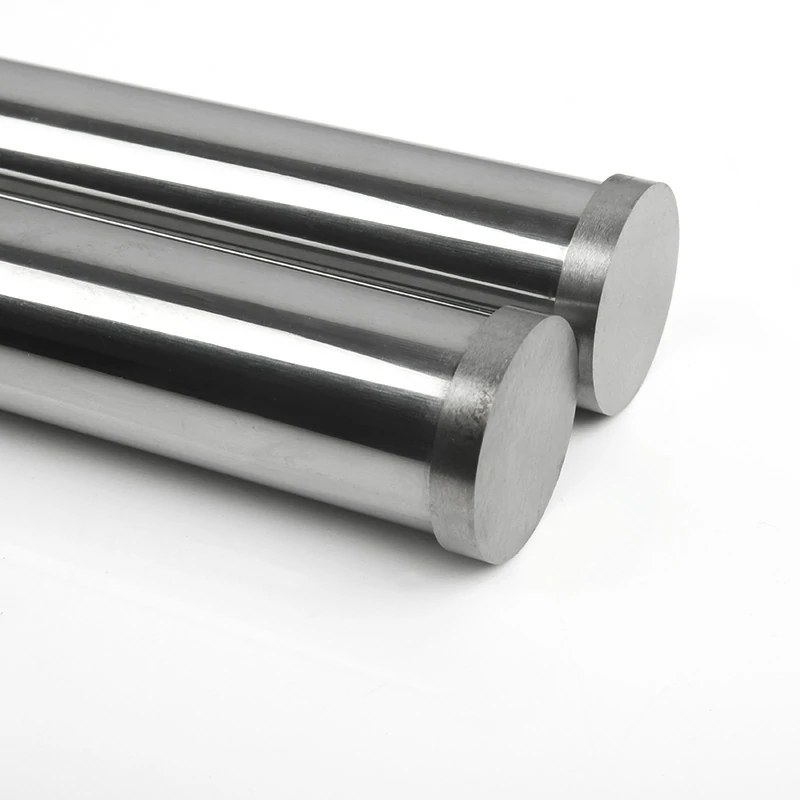
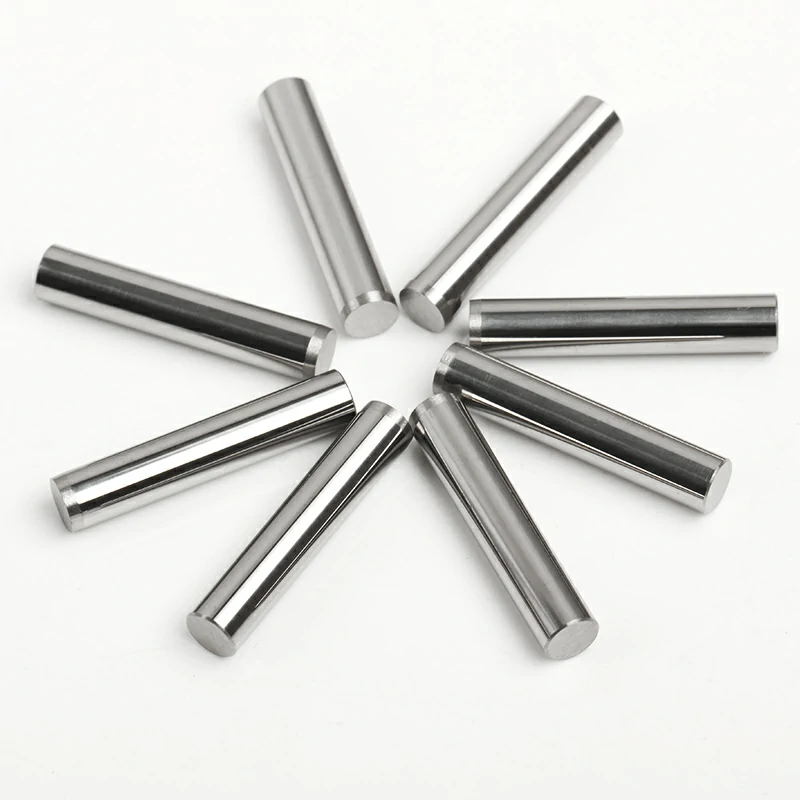
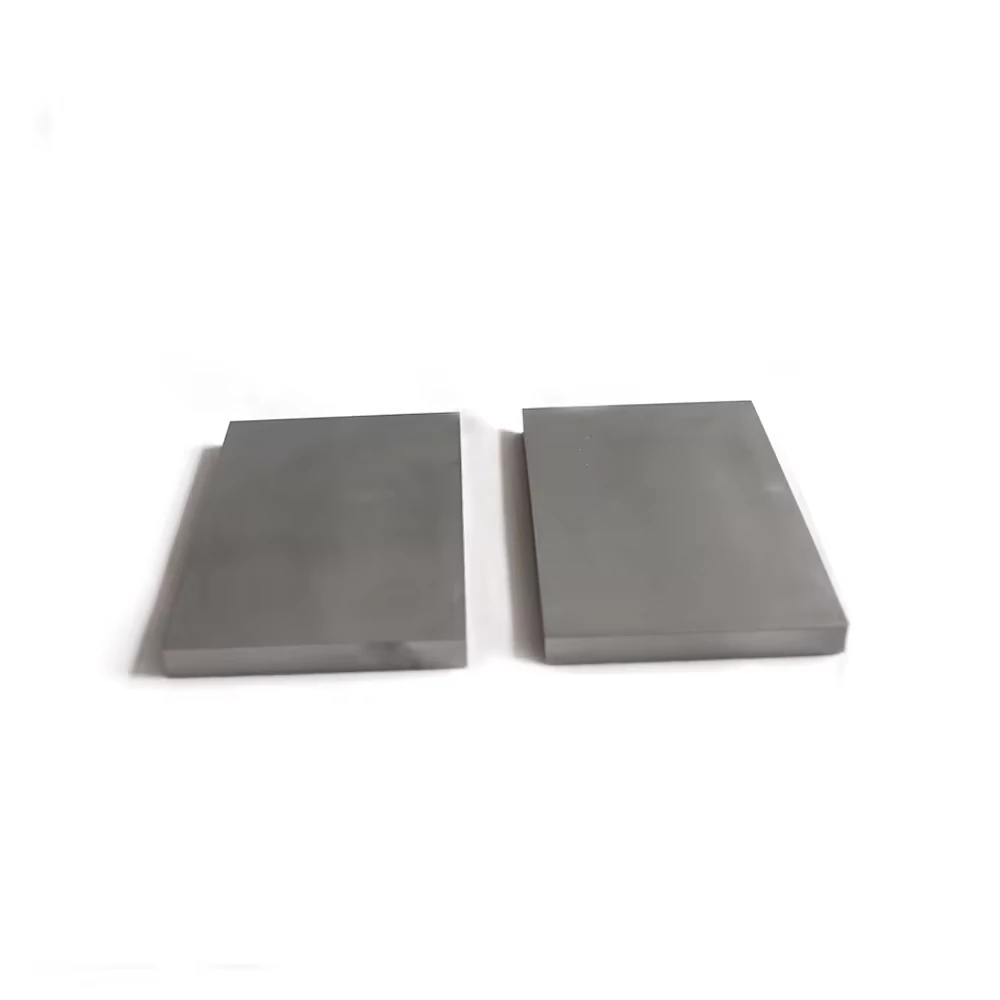
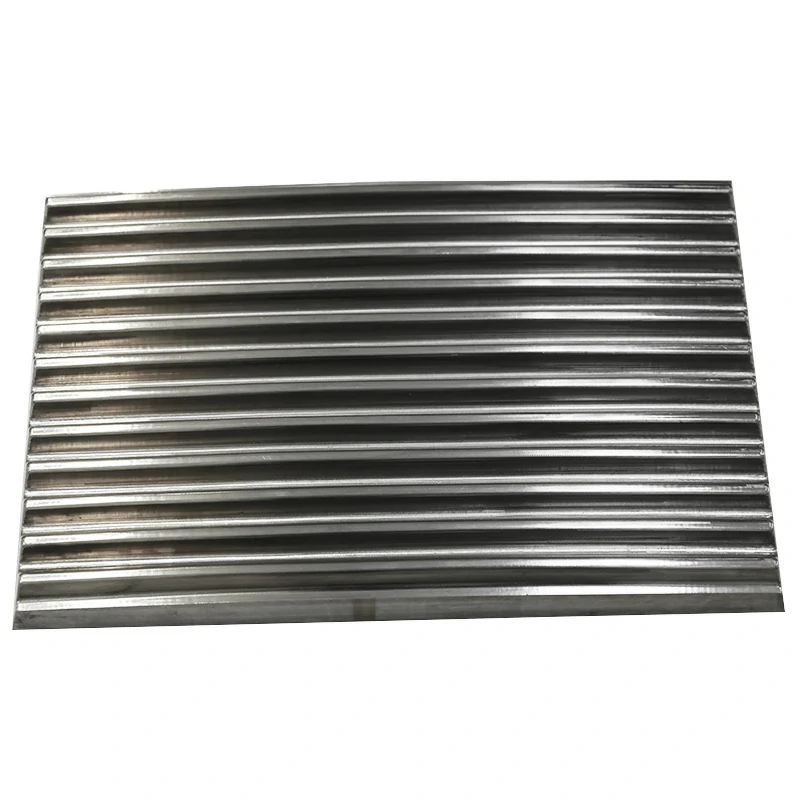
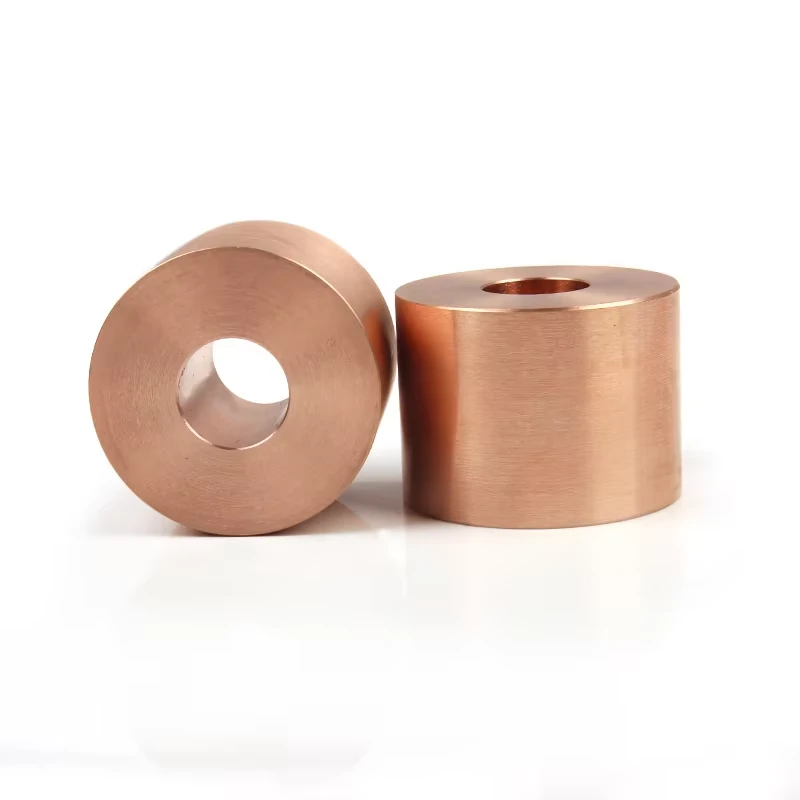
Tungsten-copper electrodes are essential in industrial applications such as EDM and resistance welding, valued for their high hardness, erosion resistance, and excellent electrical and thermal conductivity. Yet many manufacturers face a common challenge: rapid electrode wear that drives up production costs. Industry data reveals that nearly 80% of electrode wear issues stem not from equipment or operation, but from improper material selection. So how do you choose the right tungsten-copper ratio for your specific application?
The Core Problem
To simplify procurement or cut upfront costs, many plants adopt a one-size-fits-all approach—using a single tungsten-copper grade across all applications. The result? In precision EDM, a low-tungsten electrode wears rapidly under high current or high-frequency conditions. This compromises machining accuracy, forces frequent electrode changes, disrupts production flow, and ultimately erodes profitability.
Application-Based Selection Guide
Scenario A: Electrical Discharge Machining (EDM)
In EDM, roughing and finishing have distinctly different requirements.
Roughing: Prioritizes high material removal rate. Electrodes with slightly lower tungsten content (70%–75% W) offer better conductivity and heat dissipation, supporting faster cutting.
Finishing: Demands superior shape retention. Complex features such as sharp corners and fine details require higher tungsten content. Lower-tungsten electrodes erode quickly under sustained arcing, causing loss of precision.
Correct Selection: For finishing operations, choose tungsten-copper with 75%–80% tungsten. The higher tungsten content significantly improves arc erosion resistance and hardness, preserving electrode geometry over long machining cycles and ensuring final dimensional accuracy and surface quality.
Scenario B: Resistance Welding (Spot Welding, Seam Welding)
In resistance welding, the electrode must conduct high current, withstand extreme heat and pressure, and resist adhesion to the workpiece material (e.g., stainless steel, coated steel). Electrodes with excessively low tungsten content (below 75%) tend to soften and deform at high temperatures and are more prone to sticking, leading to shortened electrode life and inconsistent weld quality.
Correct Selection: For welding stainless steel or galvanized sheets, tungsten-copper with 75%–85% tungsten is recommended. This range achieves an optimal balance between high-temperature strength, deformation resistance, and anti-sticking properties, extending electrode service life and ensuring weld consistency.
Our Approach: From Material Supplier to Solution Partner
We understand that every production environment is unique. Standardized materials no longer meet the demands of modern, precision-driven manufacturing. That’s why we offer a comprehensive service built on two pillars:
Process Diagnosis: Our engineers assess your actual operating conditions—machining current, frequency, workpiece material (e.g., carbide, superalloys), cooling conditions, and more.
Custom Formulation: Based on the diagnosis, we leverage our extensive materials database and application experience to recommend the most cost-effective and durable tungsten-copper ratio for your specific needs—not a generic “one-size-fits-all” product.
Success Story
A precision mold maker in East China, supplying high-quality die-cast molds to the automotive industry, struggled with electrode wear during finishing of complex cavities. Using CuW70 electrodes, they experienced excessive wear per cycle, requiring frequent dressing or replacement—delivering on tight schedules became a constant challenge.
After a thorough process diagnosis, we recommended switching to CuW80 electrodes for finishing operations.
Results: Electrode wear per cycle dropped by over 30%. Shape retention improved significantly, and critical features such as sharp corners and dimensional consistency were reliably maintained. Production costs were effectively controlled, and the customer reported higher satisfaction with final mold quality.
Get Your Customized Selection Guide
We have consolidated our extensive experience across industries into a practical Tungsten-Copper Application Selection Guide. If electrode wear is affecting your productivity or you aim to optimize production costs and quality, contact our engineering team for a personalized recommendation.
The right material, in the right application—that’s where true cost efficiency begins.