HPGR Carbide Edge Blocks: Ultimate Roller Edge Protection Guide
Writer: admin Time:2026-09-24 18:10:27
Tungsten Carbide Edge Protection Blocks & Plates for HPGR: Defeating the Lateral Crushing Dilemma
In modern high-pressure grinding roll (HPGR) comminution—whether processing abrasive iron ore, gold/copper porphyry, or cement clinker—the working roller face is subjected to punishing conditions. Operating under specific grinding pressures exceeding 2.5 to 5.0 N/mm², standard wear protection solutions are pushed to their metallurgical limits.
While the center of the roller typically develops a self-protecting autogenous wear layer compacted between tungsten carbide studs, the roller edges face an entirely different engineering challenge: the "Edge Effect."
At the roller margins, lateral material extrusion causes severe pressure drop-offs, catastrophic 3-body abrasion, and violent side impacts. Standard alloy steels and hardfacing weld overlays wash out within days or weeks.
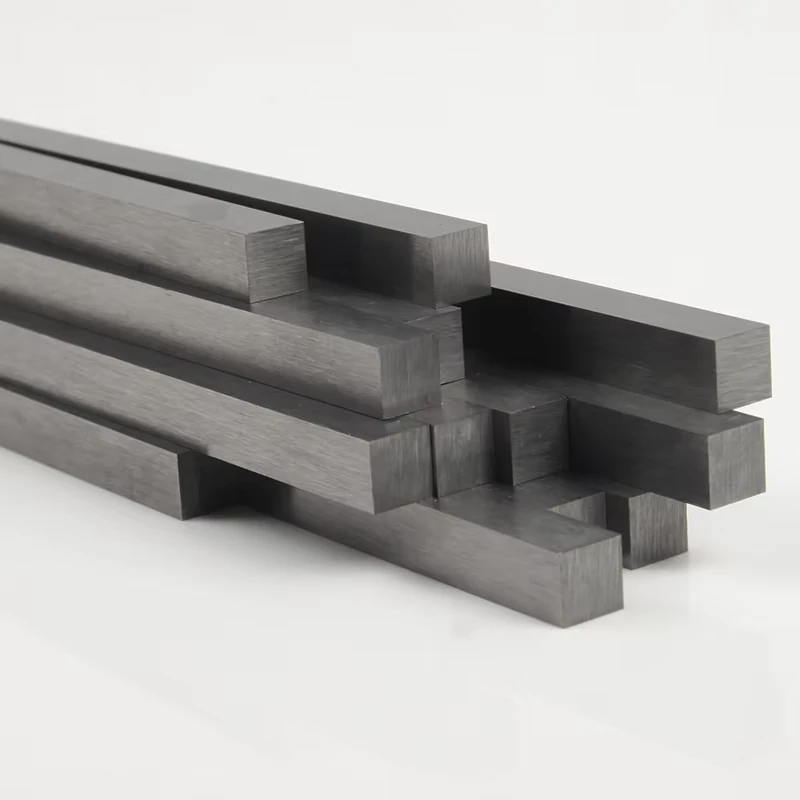
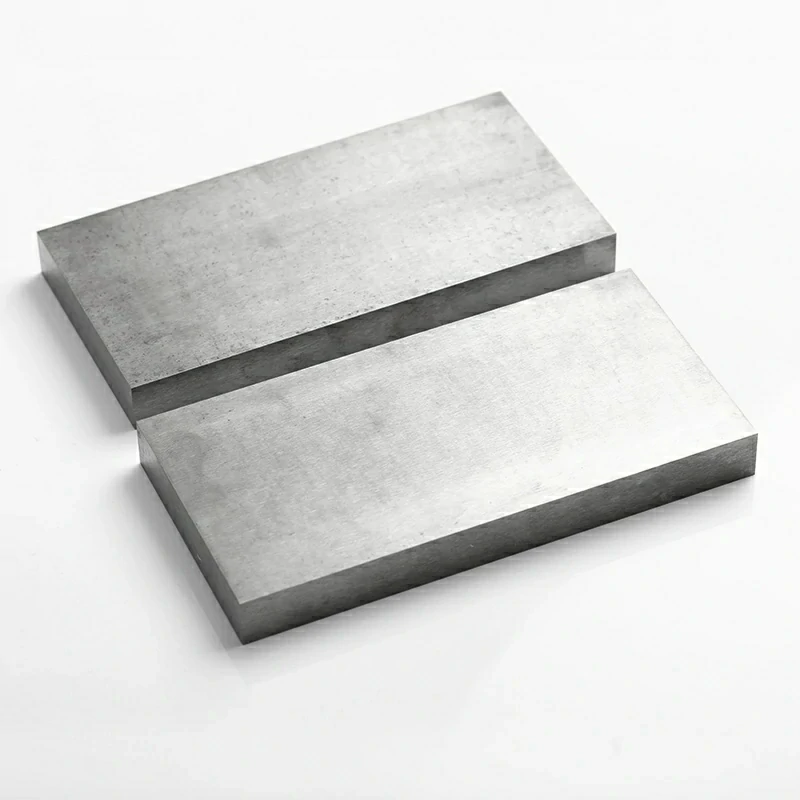
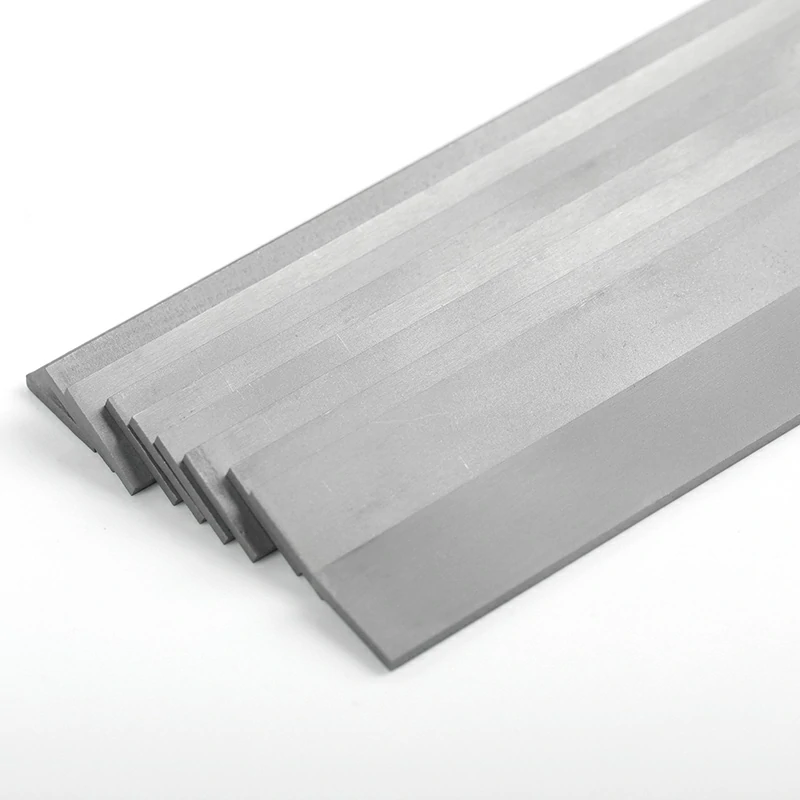
To prevent premature roller failure, leading mineral processing operations rely on tungsten carbide HPGR edge protection blocks and plates. As an established manufacturer based in Zhuzhou, China, HAO Carbide engineers stepped, impact-resistant carbide edge blocks designed to withstand lateral crushing and extend machine campaign life.
1. The Physics of the "Edge Effect": Why Standard Rollers Fail at the Margins
In an HPGR crushing chamber, feed material is compressed in a bed between two counter-rotating rollers. However, the boundary conditions at the roller edges differ radically from the center:
Lateral Material Blowout: Unlike the center of the roll, which is confined by surrounding material, rock particles at the outer 50–100 mm boundaries constantly squeeze laterally toward the gap between the rotating roll and stationary cheek plates.
Failure of the Autogenous Bed: Because fine material escapes sideways, an autogenous protective cake cannot pack securely at the margins. The bare roller body steel is directly exposed to grinding media.
Corner Cleavage & Chipping: Standard cylindrical carbide studs lack lateral interlocking support. Subjected to uneven side loads, outer studs shear off, leading to rapid "washboard" grooving and catastrophic edge wash-out.
2. Engineered Stepped Geometry: Structural Defense Against Lateral Shear
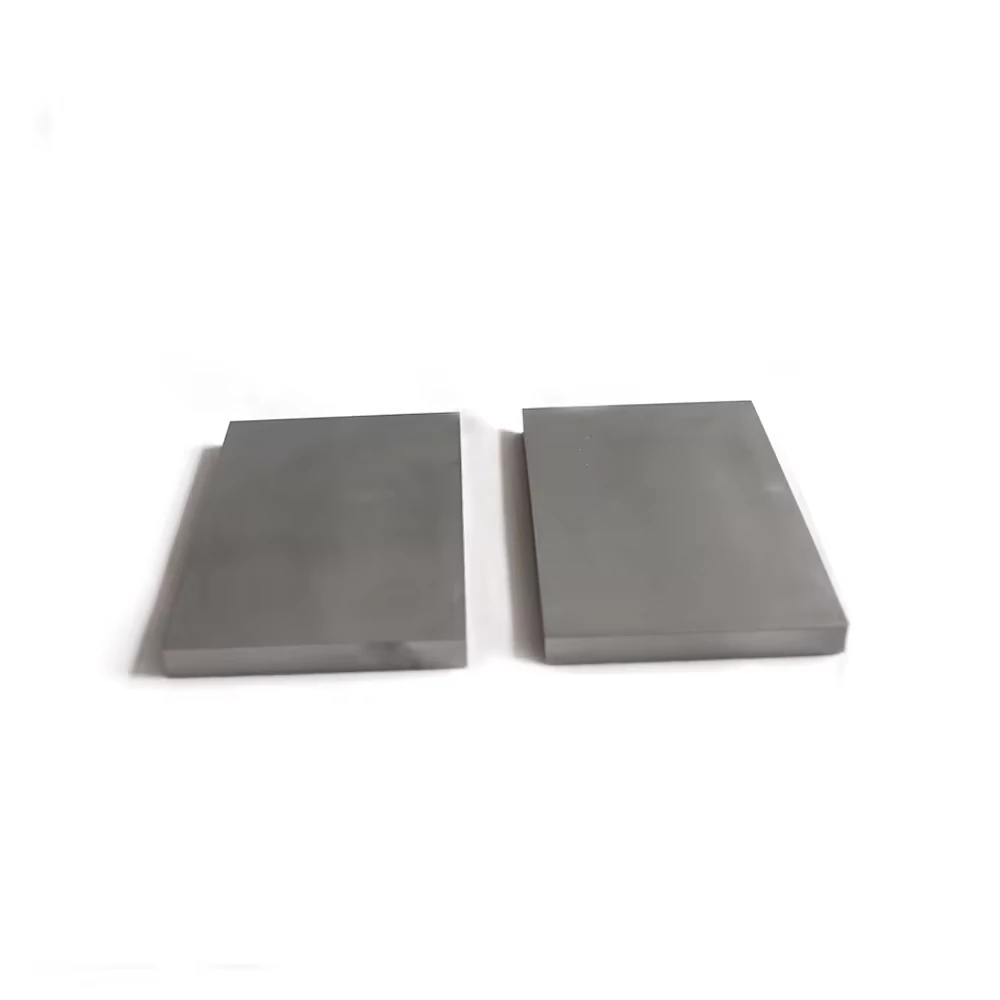
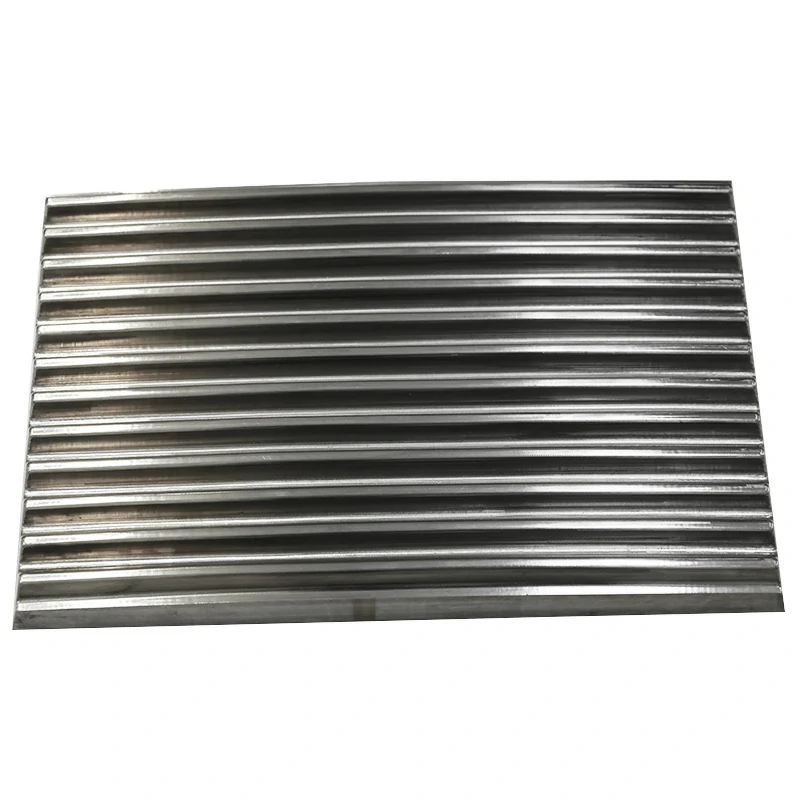
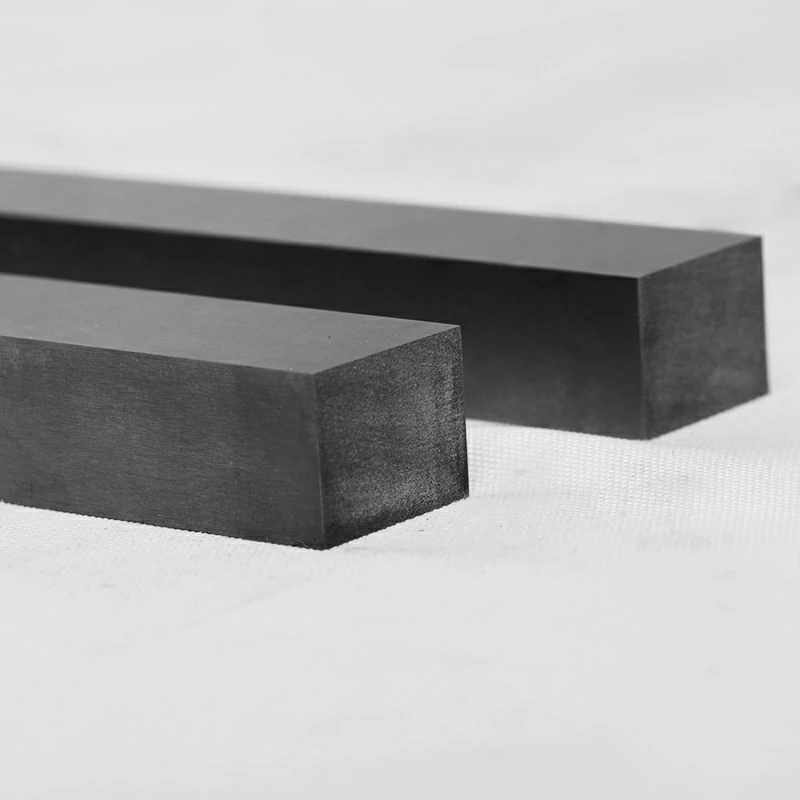
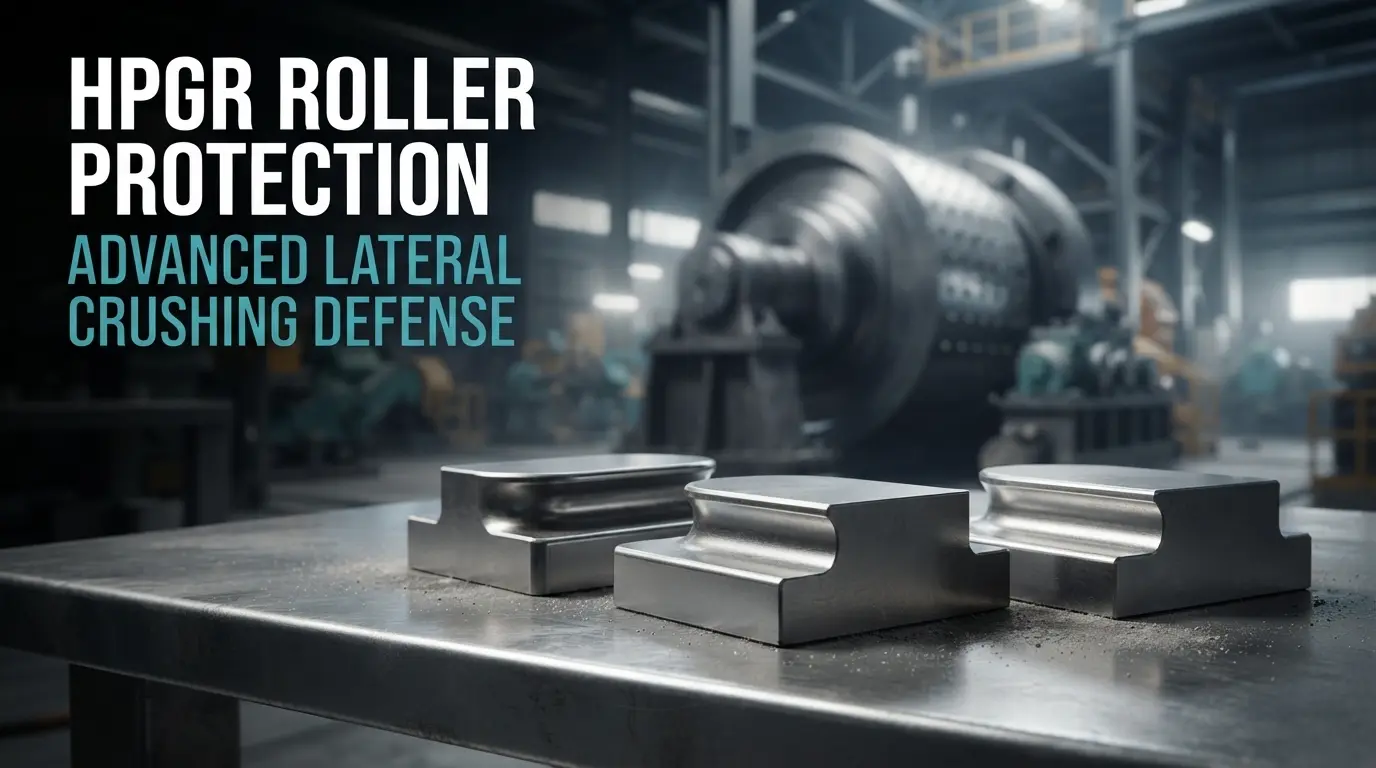
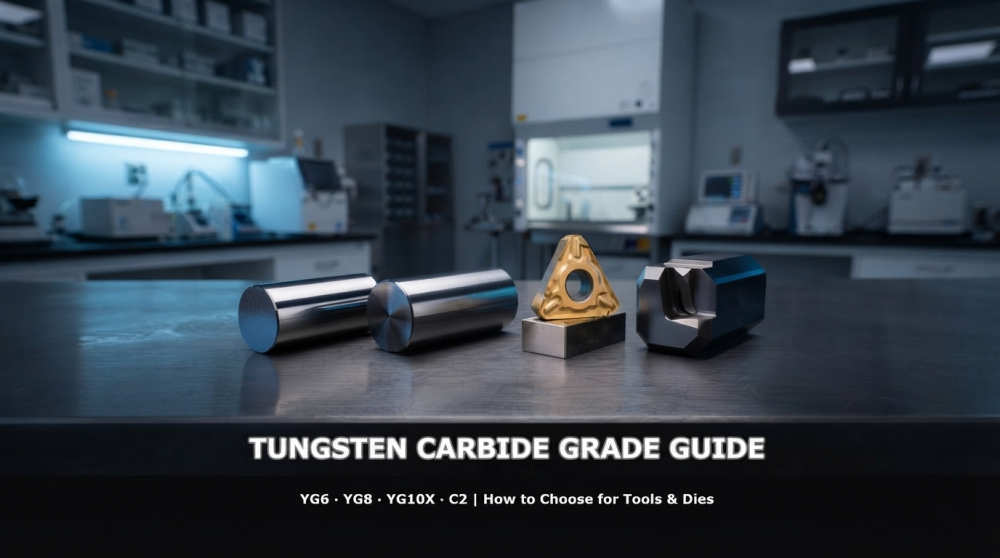
As showcased in our manufacturing facilities, standard rectangular plates or simple round studs are insufficient for edge zones. HAO Carbide’s HPGR edge blocks feature a precision-engineered stepped interlocking profile.
Key Functional Advantages of the Stepped Contour:
Shear Force Dissipation: The stepped shoulder transfers horizontal pushing forces directly into the massive steel roller core rather than concentrating stress on the mounting joint.
Continuous Lateral Shield: Stepped edge blocks fit seamlessly together along the roller circumference, forming a continuous circular carbide armor ring that eliminates gaps where abrasive slurry can erode the tire seat.
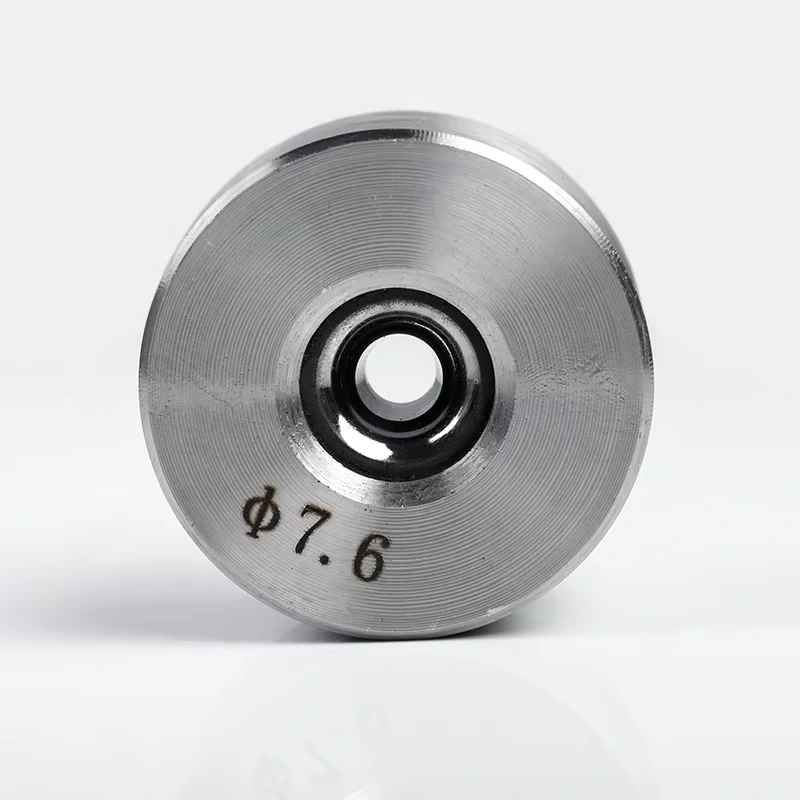
Flawless Unmolding & Geometry: Achieving uniform density across complex multi-level steps requires ultra-precise tooling. HAO Carbide utilizes advanced multi-action hydraulic presses to eliminate internal density gradients before the green compact ever enters the furnace.
3. Metallurgy: Coarse-Grain WC-Co Formulations for High-Impact Comminution
Edge blocks cannot be made from standard cutting-tool carbide grades. Using hard, brittle sub-micron carbide will cause instant cracking when uncrushable tramp metal or oversized boulders enter the feed gap.
HPGR edge blocks demand extra-coarse grain tungsten carbide paired with an optimized cobalt matrix, maximizing fracture toughness and transverse rupture strength (TRS).
| Grade Designation | Cobalt Content
(wt %) | WC Grain Size
(μm) | Density (g/cm3) | Hardness (HRA) | TRS
(MPa) | Fracture Toughness | Best Application |
|---|
| HC-09C | 9.00% | 3.0 – 5.0 (Coarse) | 14.55 – 14.70 | 88.5 – 89.5 | ≥2600 | 14.5 – 15.5 | Cement clinker HPGR, moderate impact, extreme fine abrasion |
| HC-12C | 12.00% | 3.5 – 6.0 (Extra-Coarse) | 14.25 – 14.40 | 86.5 – 87.5 | ≥2900 | 16.5 – 18.0 | Hard-rock mining, iron ore pellets, primary HPGR rolls |
| HC-15C | 15.00% | 4.0 – 8.0 (Ultra-Coarse) | 13.90 – 14.10 | 85.0 – 86.0 | ≥3200 | 18.5 – 20.5 | Severe tramp metal risk, gold/copper comminution, heavy impact edges |
4. Manufacturing Quality: From High-Tonnage Compaction to Sinter-HIP
Producing a heavy, stepped carbide block requires meticulous process control. A single microscopic void inside a 500-gram edge block can cause it to split under thousands of tons of roller clamping pressure.
High-Tonnage Hydraulic Compaction: High-purity virgin WC and cobalt powder are compacted under hundreds of tons of pressure, guaranteeing identical green density from the thin stepped lip to the thick base.
100-Bar Sinter-HIP: In our Zhuzhou production line, edge blocks undergo Overpressure Hot Isostatic Pressing (Sinter-HIP) at 1450°C and 100 bar of argon pressure. This closes all microscopic pores, guaranteeing internal structural integrity.
Tight Dimensional Tolerances: Sintered edge blocks are ground on CNC profile grinders to ensure perfect radial curvature and gap-free side-by-side assembly on your roller bodies.
5. Economic Comparison: Hardfacing Overlay vs. Solid Carbide Edge Blocks
| Comparison Metric | Hardfacing / Hard Metal Overlay Welds | HAO Carbide HPGR Edge Blocks |
|---|
| Continuous Operating Life | 400 – 1,200 operating hours | 8,000 – 25,000 operating hours |
| Edge Maintenance Frequency | Bi-weekly shutdown for in-situ re-welding | Inspect during scheduled plant turnarounds |
| Risk of Base Tire Damage | High; weld heat creates HAZ micro-cracks | Zero thermal damage to roller forged core |
| Crushing Energy Efficiency | Drops as edges groove and material bypasses | Consistently uniform gap width across entire roll face |
| Total Cost of Ownership (TCO) | High maintenance labor & recurring downtime | Lowest cost-per-ton crushed |
6. Sourcing HPGR Edge Components from HAO Carbide (Zhuzhou, China)
Whether you operate OEM grinding rolls (such as Köppern, CITIC, Metso, FLSmidth, or ThyssenKrupp Polysius) or manage independent roller refurbishment services, HAO Carbide delivers reliable, wear-resistant solutions:
100% Virgin Material Guarantee: We never use recycled zinc scrap in our mining and HPGR grades, eliminating catastrophic brittle fractures.
Custom OEM Tooling Development: We manufacture custom compaction dies to match your proprietary tire dovetail, bolt-on, or shrink-fit profiles within 20 business days.
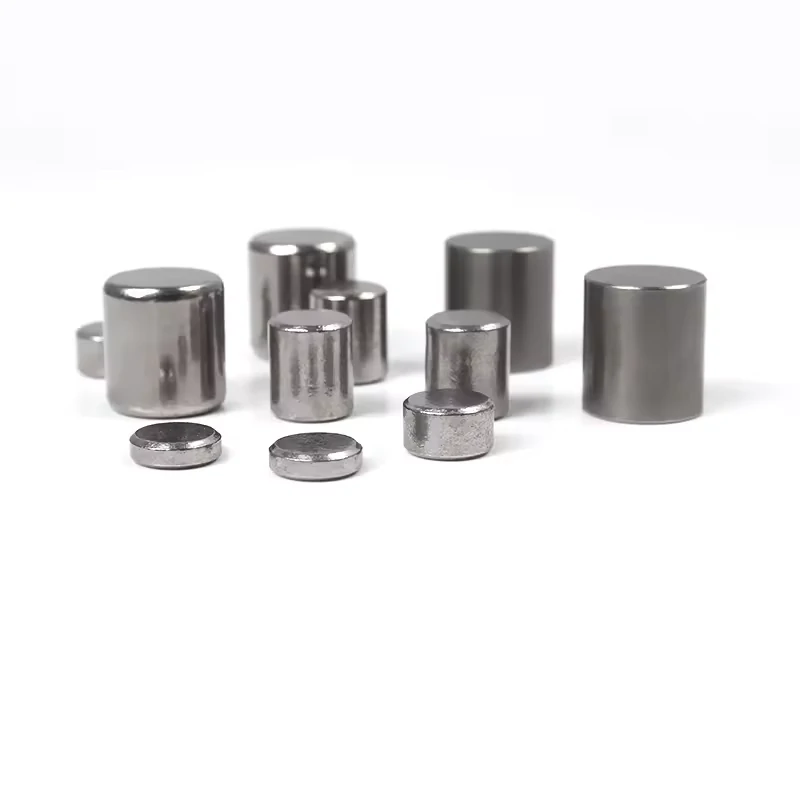
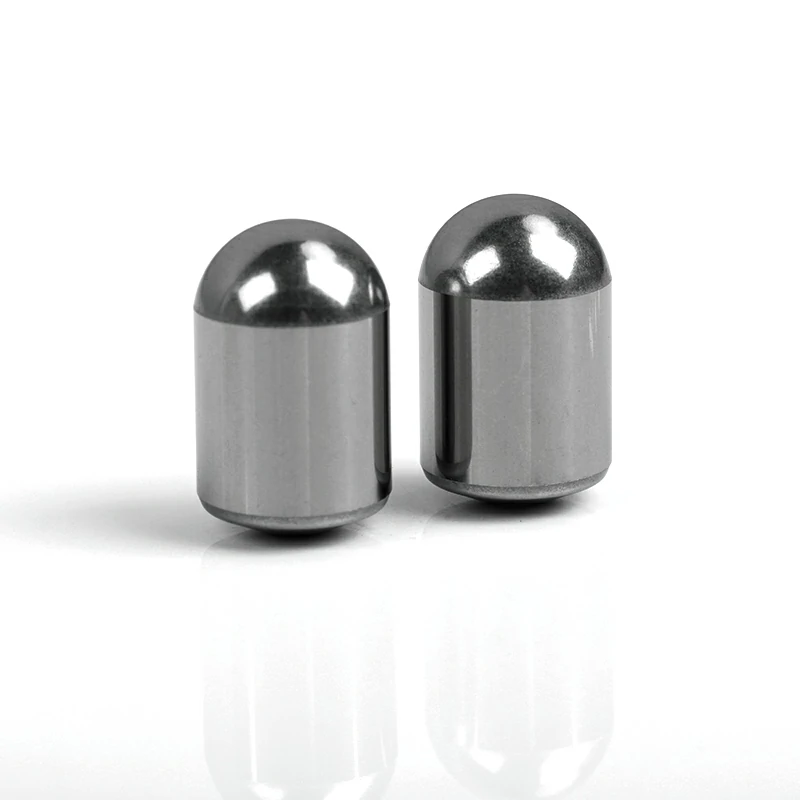
Complete Wear Packages: Source matched sets of cylindrical carbide studs and stepped lateral edge blocks from a single qualified Zhuzhou manufacturer to guarantee uniform wear rates across the roller width.
Protect Your HPGR Roller Edges Today
Don't let edge blowout degrade your grinding efficiency or force unscheduled plant shutdowns. Upgrade your high-pressure grinding rolls with industrial-grade carbide protection built to conquer lateral crushing.
Request an Engineering Review & Quotation
Explore our wear-parts catalog: Visit www.hao-carbides.com
Submit your drawings for a rapid quote: Send your CAD files, roller dimensions, and processed ore details to sales@hao-carbides.com for a full metallurgical review and quotation within 24 hours.