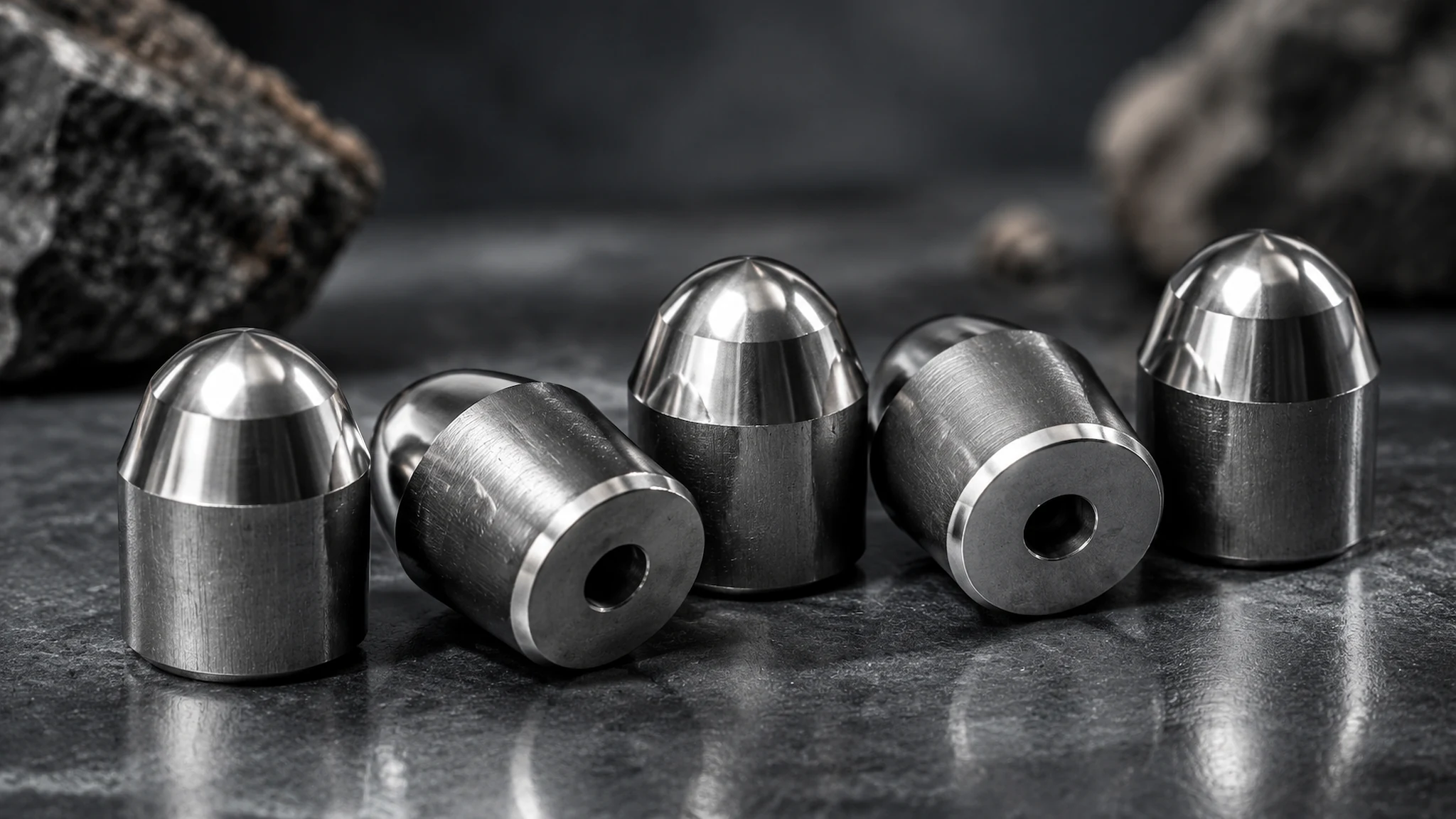
Tungsten Carbide Conical Teeth for Mining and Drilling Tools
Writer: admin Time:2026-11-19 09:33:50
Tungsten Carbide Conical Teeth for Mining and Drilling Tools
Tungsten carbide conical teeth are critical wear parts used in mining, oilfield drilling, road construction, geological exploration and other high-impact excavation applications. When drilling into soft, medium-hard or hard rock formations, the carbide grade, tooth shape, welding reliability and impact resistance all influence tool performance and service stability.
For B2B buyers, selecting carbide conical teeth is not only a matter of hardness. The right choice must balance wear resistance, toughness, brazing performance and compatibility with the drilling or cutting tool body. HAO CARBIDE supplies customized tungsten carbide solutions for demanding industrial applications and can support buyers with carbide teeth produced according to drawings or samples.
What Are Tungsten Carbide Conical Teeth?
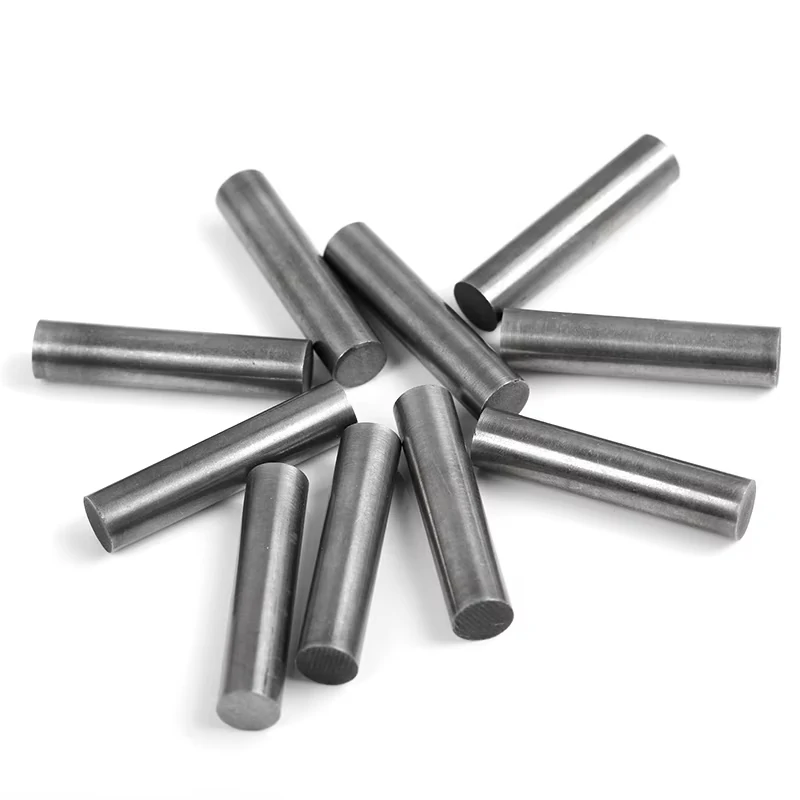
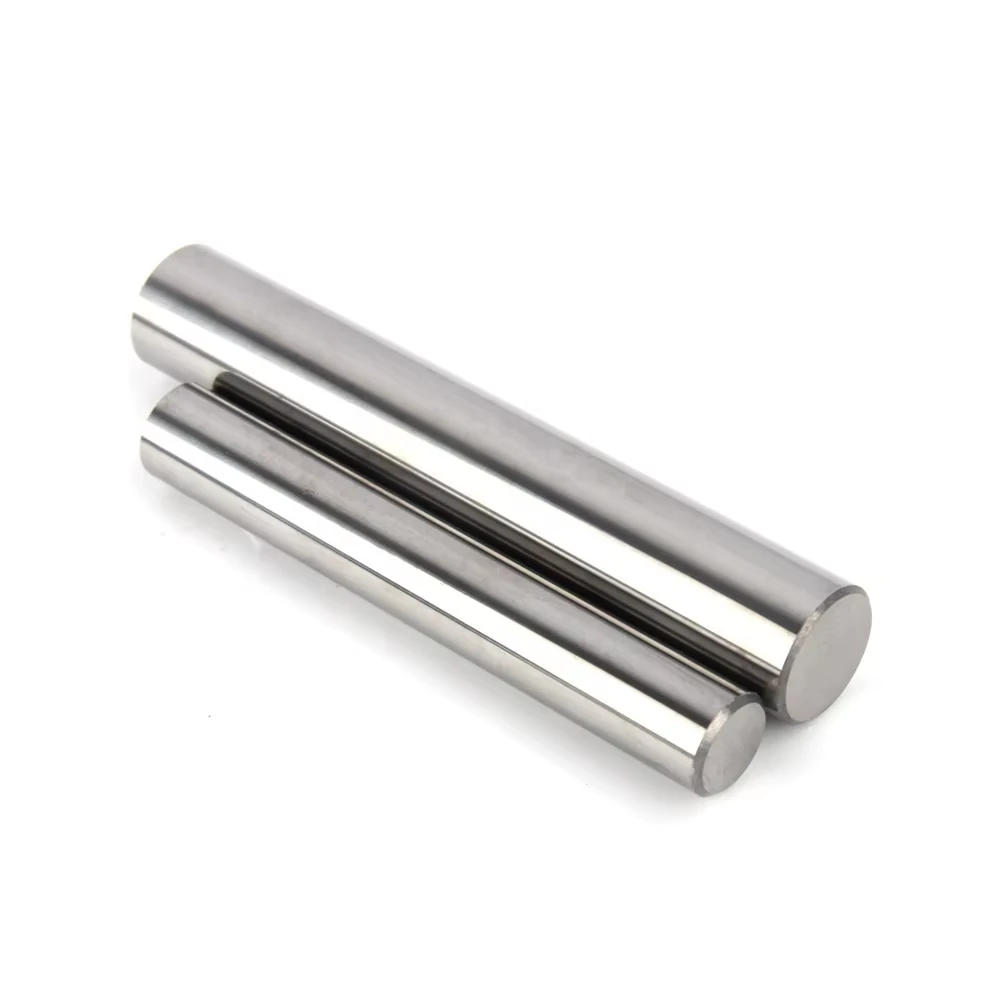
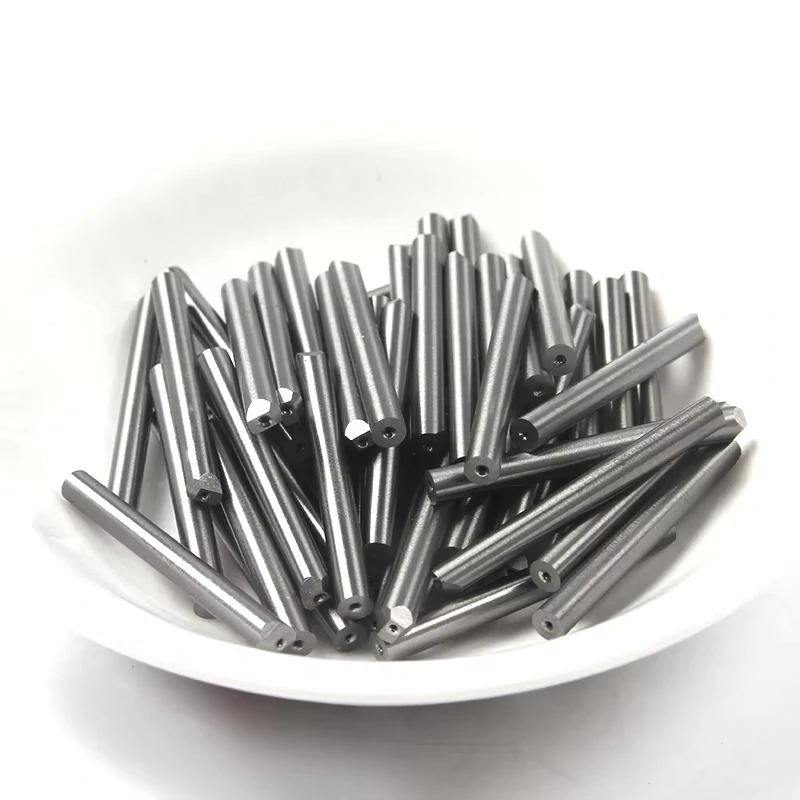
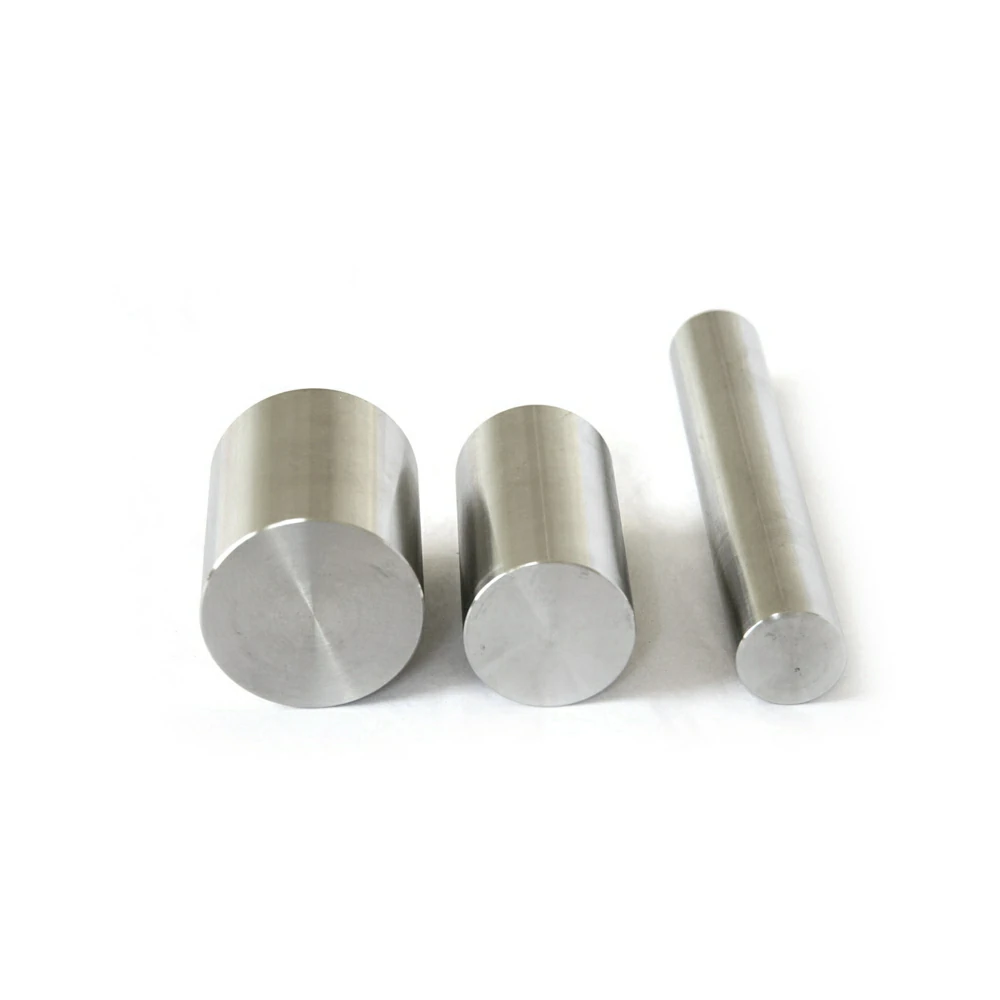
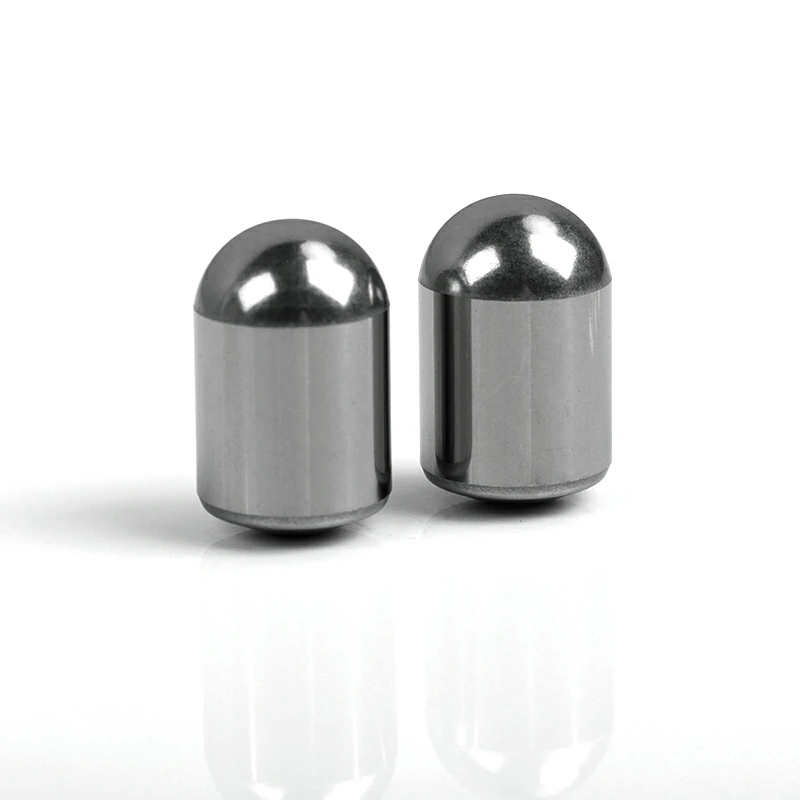
Tungsten carbide conical teeth are WC-Co cemented carbide inserts with a cylindrical body and a conical working head. The cone-shaped section is designed to penetrate rock or abrasive ground, while the cylindrical base allows the insert to be fixed into a drill bit, road milling holder, mining pick or other engineering tool.
According to the source material, conical teeth are commonly used in mining and oilfield engineering machinery. They can be applied in roller cone bits, down-the-hole tools, geological drilling tools and coal mining machinery. Their main composition is tungsten carbide and cobalt, which gives the part a combination of hardness, wear resistance and bending strength.
Why Carbide Grade Selection Matters
Different working conditions require different carbide grades. A carbide tooth for soft and medium-hard rock does not face the same load as a tooth drilling into hard or extremely hard formations. Buyers should review density, hardness and transverse rupture strength before confirming a grade.
YG6 for Smaller or Medium Carbide Inserts
The source data lists YG6 with a density range of 14.80–14.96 g/cm³, hardness of about 89.5 HRA and transverse rupture strength of 2600 N/mm². It is mainly recommended for medium and small carbide button inserts used in roller cone drills and impact drilling tools for soft and medium-hard rock formations.
YG8C, JT25 and JT25-1 for Medium to Hard Rock
YG8C and JT25 series grades are recommended for carbide button or column inserts used in roller cone and impact drilling tools. These grades are suitable for drilling medium-hard and hard rock layers, depending on the exact tool design and working conditions.
JT30, YG11C and JT50 for Harder Formations
For harder and more demanding rock formations, the material data lists grades such as JT30, YG11C and JT50. These grades are mainly used as carbide column inserts for roller cone bits and impact drilling tools, especially where higher toughness and wear resistance are needed.
Main Applications of Carbide Conical Teeth
Tungsten carbide conical teeth are used where abrasive wear and impact occur at the same time. Common applications include:
roller cone drilling tools;
impact drilling tools;
down-the-hole drilling tools;
geological exploration tools;
coal mining and rock drilling equipment;
road excavation and foundation engineering tools;
oilfield drilling machinery.
In these applications, the carbide insert must withstand repeated contact with rock, vibration, shock and abrasive particles. A poorly selected insert may chip, crack, detach from the tool body or wear too quickly, causing downtime and replacement cost.
Key Performance Requirements for Mining and Drilling Teeth
Wear Resistance
Mining and drilling tools work in highly abrasive environments. Carbide conical teeth need strong wear resistance so the working tip can maintain its shape for longer during rock penetration, cutting or crushing.
Impact Toughness
High hardness alone is not enough. If the carbide is too brittle for the formation, it may chip or crack under impact load. For mining and drilling buyers, the grade should match both the rock hardness and the impact level of the machine.
Brazing and Assembly Reliability
The source material notes that mining carbide teeth are commonly assembled by brazing or welding. Buyers should check that the carbide insert has suitable brazing performance and that the tool manufacturer controls welding quality. Poor brazing may lead to tooth detachment during operation.
Dimensional Accuracy
Carbide conical teeth must fit the tool body correctly. The cylindrical base, cone angle, chamfer and working head geometry should match the bit or holder design. For customized projects, drawings or samples are essential for confirming dimensions.
How to Specify Tungsten Carbide Conical Teeth for RFQ
To avoid delays and incorrect material selection, buyers should provide as much technical information as possible when requesting a quotation. A practical RFQ should include:
drawing or sample of the carbide tooth;
outside diameter, total length, cone shape and chamfer details;
target rock type or application condition;
preferred carbide grade, if already known;
required hardness, density or bending strength range;
assembly method, such as brazing or press fitting;
annual or batch purchasing quantity;
any inspection requirements before shipment.
If the original grade is unknown, buyers can describe the working environment, failure mode and existing tool life problem. HAO CARBIDE can review the information and help discuss a suitable carbide material direction based on the application.
Purchasing Tips for B2B Buyers
When sourcing tungsten carbide conical teeth, price should not be the only deciding factor. Buyers should evaluate whether the supplier can control material consistency, tooth geometry and inspection quality. For high-impact mining and drilling tools, a small variation in material or fit may affect the whole tool assembly.
It is also useful to compare the intended use with the recommended application range of each grade. For example, grades suitable for soft and medium-hard rock may not be ideal for hard rock or extremely abrasive formations. Matching grade, shape and process is the foundation for reliable performance.
HAO CARBIDE supports customized carbide products for overseas B2B buyers. Carbide conical teeth, wedge teeth, button inserts and related mining carbide components can be discussed according to drawings, samples and application requirements.
Why Work With HAO CARBIDE?
HAO CARBIDE focuses on tungsten carbide and cemented carbide products for industrial applications. For mining and drilling components, buyers can discuss customized carbide solutions, grade selection, drawing-based production and inspection before shipment.
Instead of relying on one general-purpose grade for every job, HAO CARBIDE encourages buyers to match the carbide material with the actual working condition. This helps procurement teams reduce wrong selections and communicate technical requirements more clearly during sourcing.
FAQ
What are tungsten carbide conical teeth used for?
Tungsten carbide conical teeth are used in mining, oilfield drilling, geological exploration, road excavation and rock drilling tools. They are commonly installed in roller cone bits, impact drilling tools and other high-wear engineering equipment.
How do I choose the right carbide grade for conical teeth?
You should consider rock hardness, impact load, abrasion level, tool structure and the recommended application range of each grade. Hardness, density and transverse rupture strength are important reference values.
Can carbide conical teeth be customized?
Yes. Carbide conical teeth can be customized according to drawings or samples, including diameter, length, cone shape, chamfer and grade requirements.
Why do carbide teeth break during drilling?
Common reasons include unsuitable carbide grade, excessive impact load, poor brazing quality, overheating during assembly or incorrect operating parameters when drilling hard formations.
What information should I provide for a carbide conical teeth quotation?
Provide drawings or samples, dimensions, grade requirements, application conditions, rock type, assembly method and expected purchasing quantity. This helps the supplier recommend a more suitable carbide solution.
Contact HAO CARBIDE for Carbide Conical Teeth
If you are sourcing tungsten carbide conical teeth for mining, oilfield drilling or geological exploration tools, contact HAO CARBIDE with your drawings, samples or working conditions. Our team can help discuss carbide grade options and customized production requirements for your application.