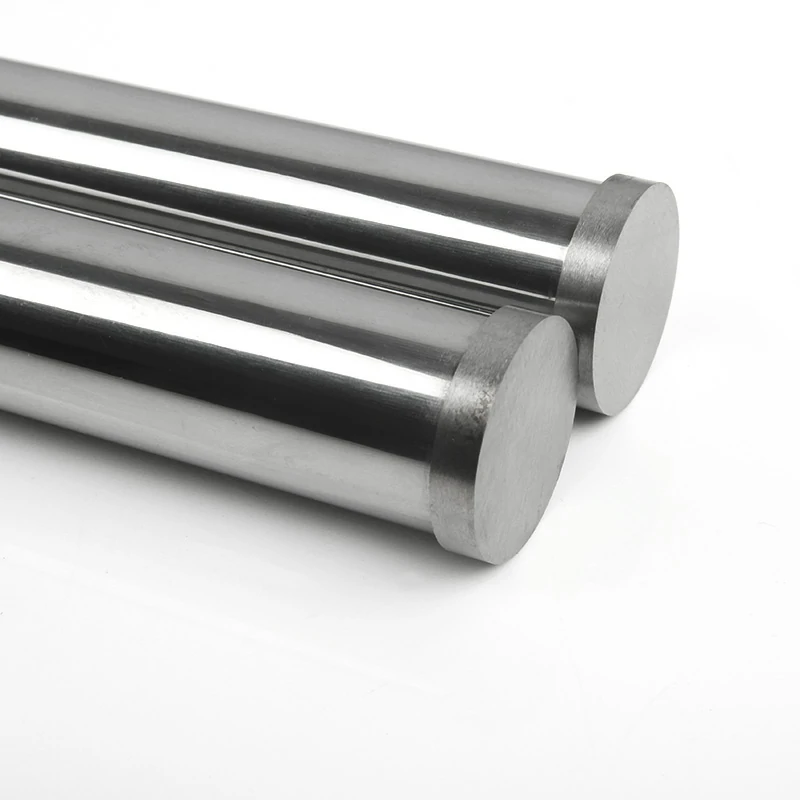
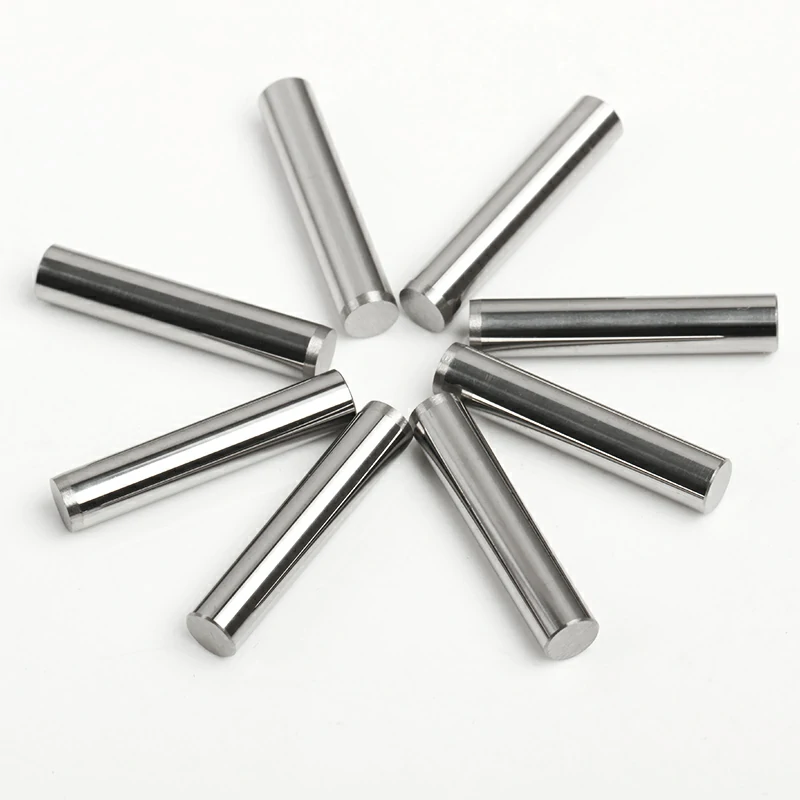
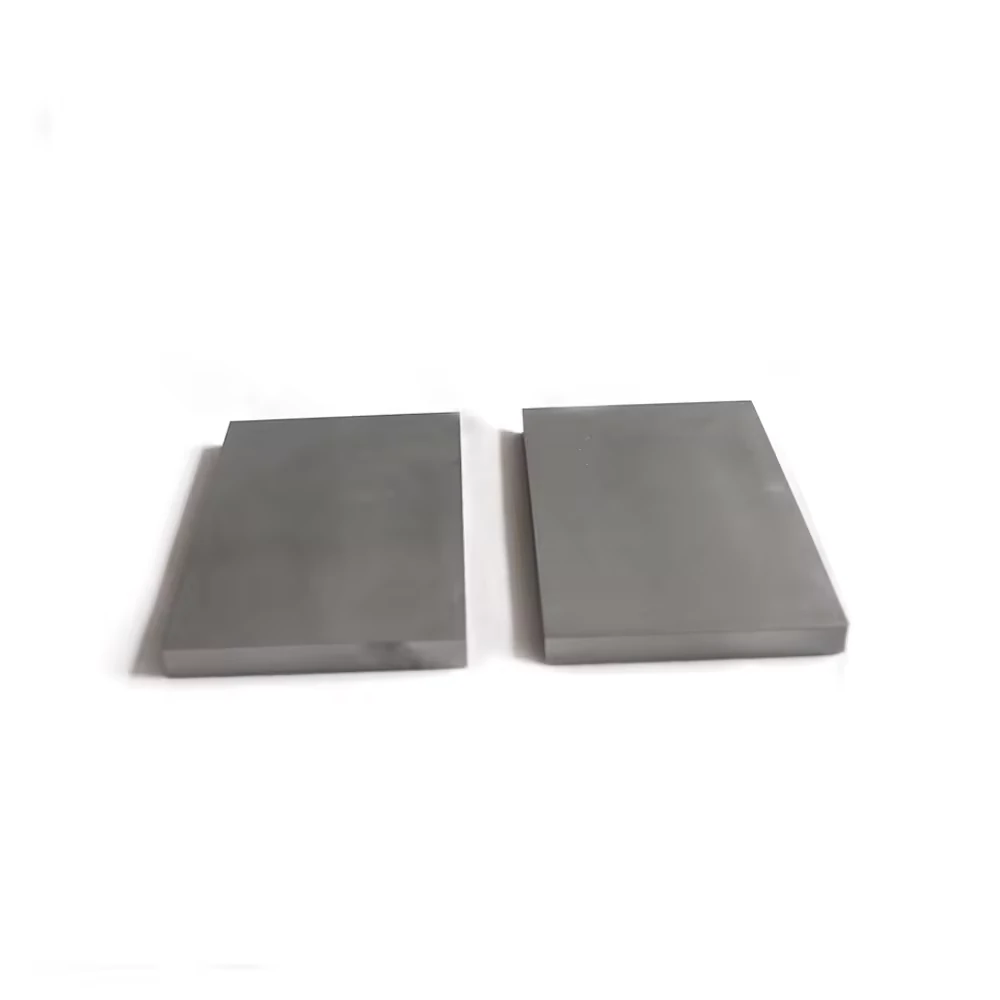
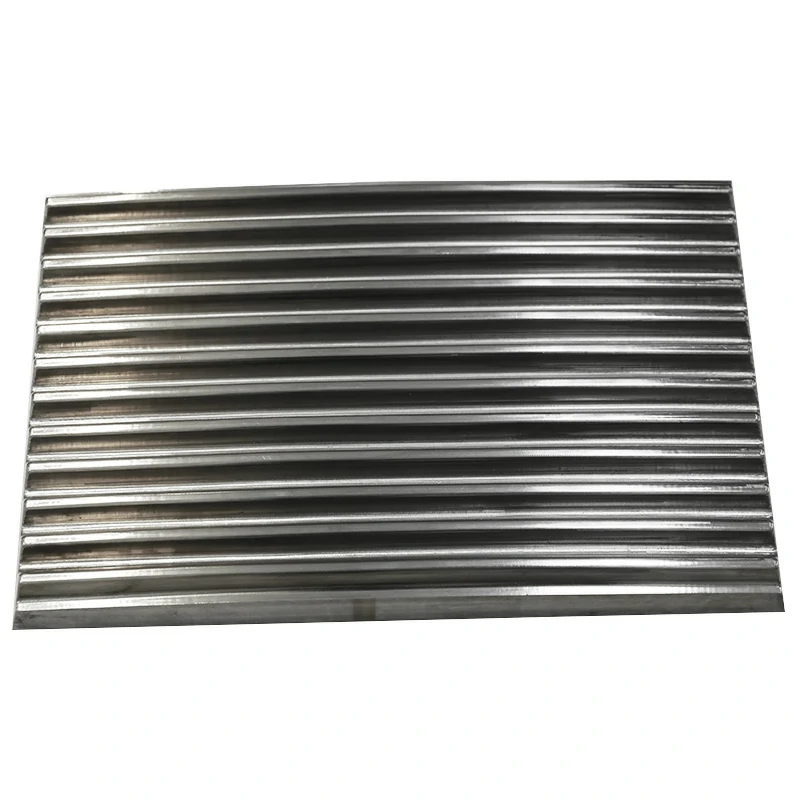
Tungsten Carbide 3D Glass Hot Bending Plates for Precision Glass Forming
Writer: admin Time:2026-11-21 09:23:51
Tungsten Carbide 3D Glass Hot Bending Plates for Precision Glass Forming
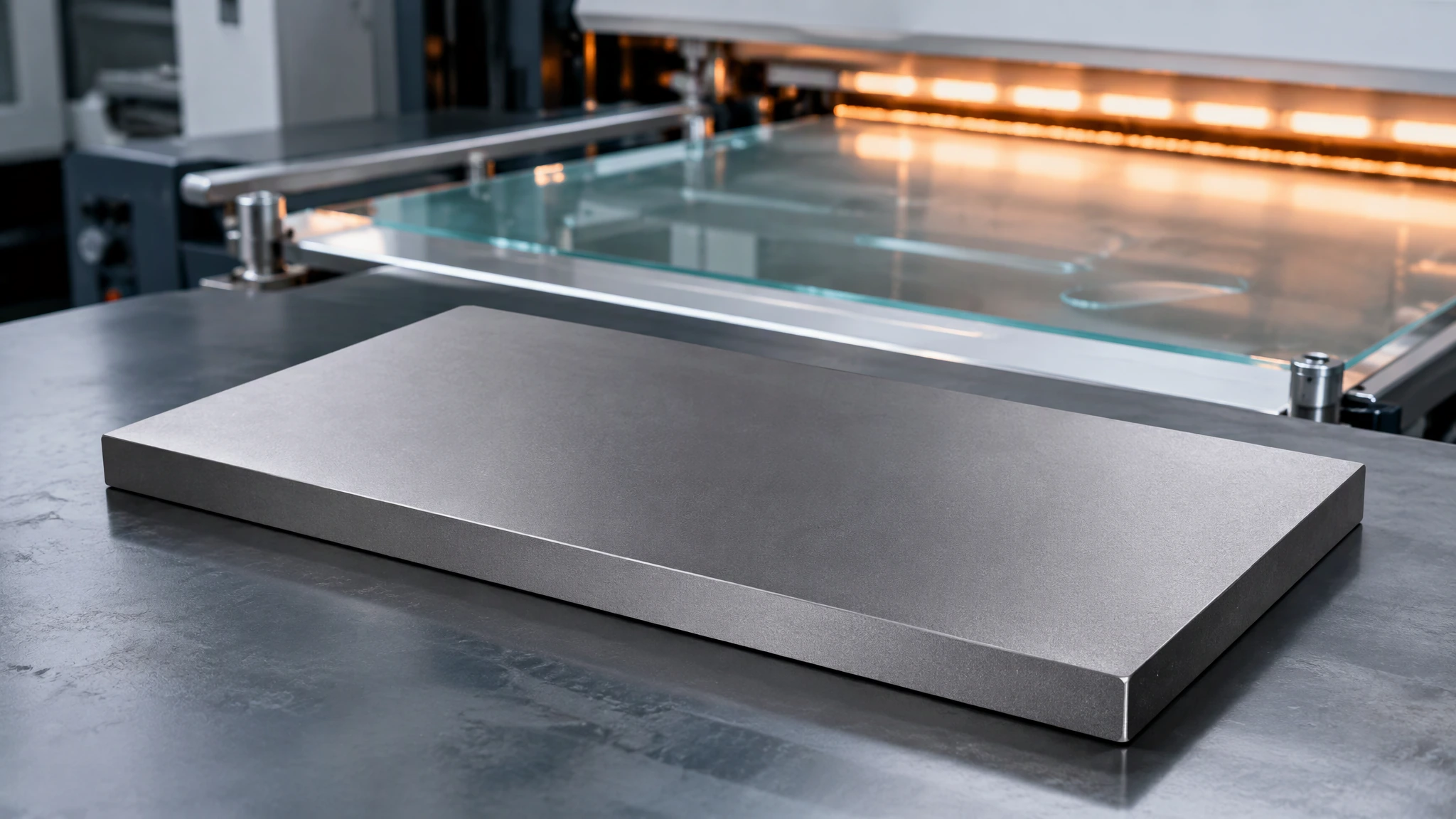
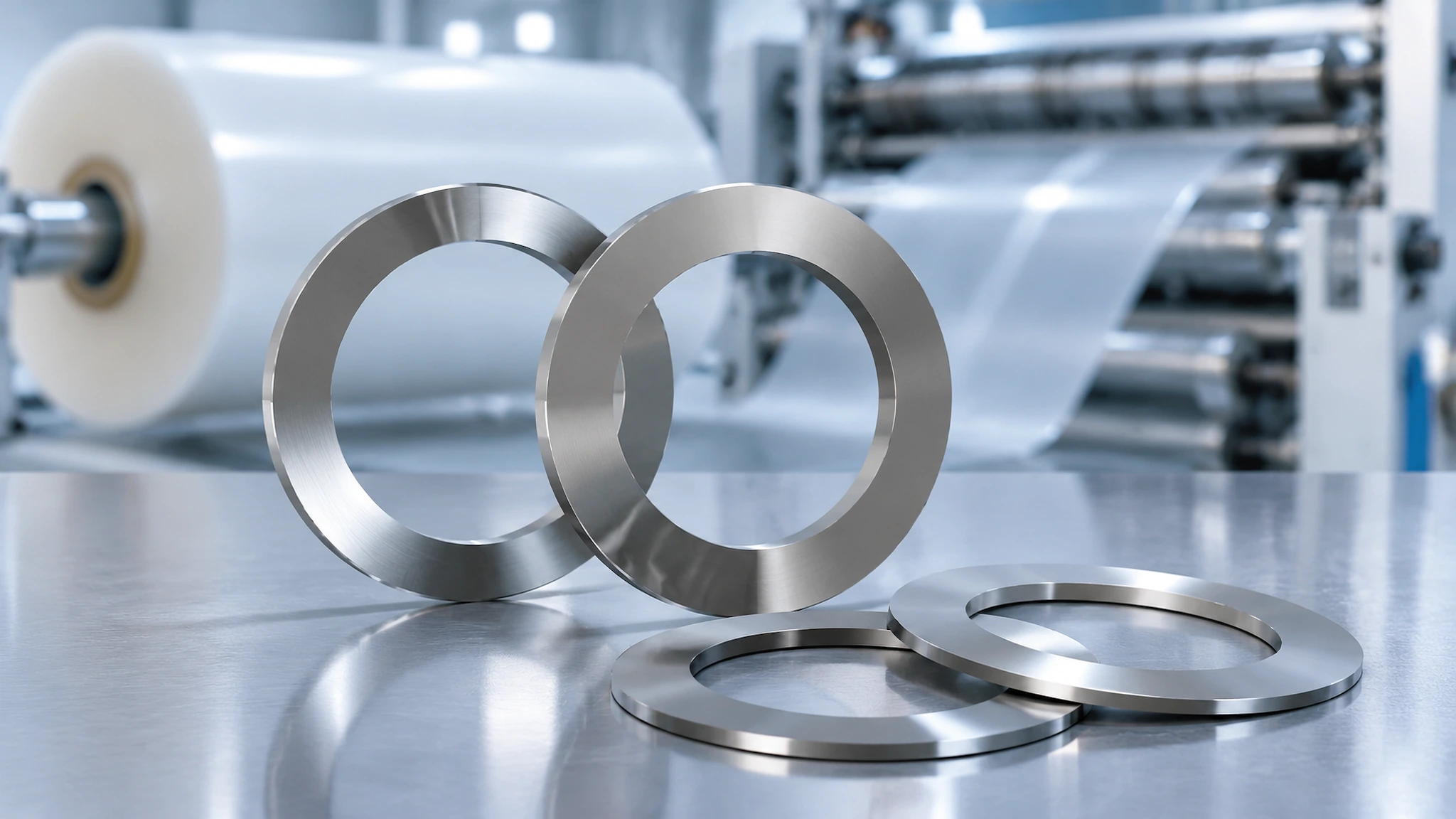
For manufacturers working with curved cover glass, smartphone glass panels, optical glass parts, and other shaped glass components, stable heat transfer and dimensional stability are critical during hot bending. Tungsten carbide 3D glass hot bending plates are used as high-temperature support and heat distribution components in glass forming equipment, helping the glass receive more uniform thermal pressure during the forming process.
This article explains what buyers should know when sourcing tungsten carbide hot bending plates, where they are used, and which technical points should be clarified before requesting a quotation from HAO CARBIDE.
What Are Tungsten Carbide 3D Glass Hot Bending Plates?
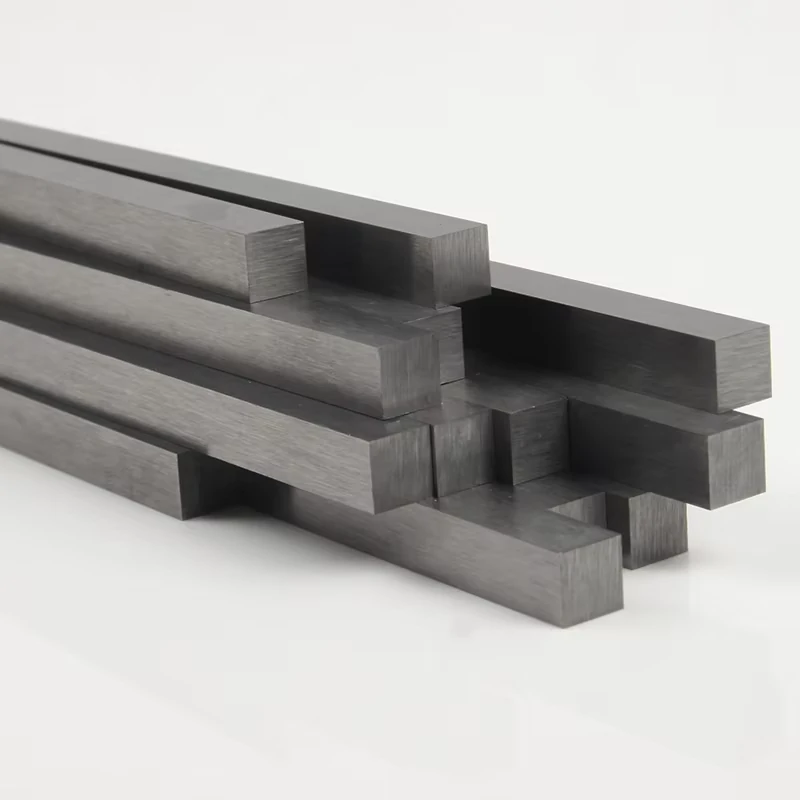
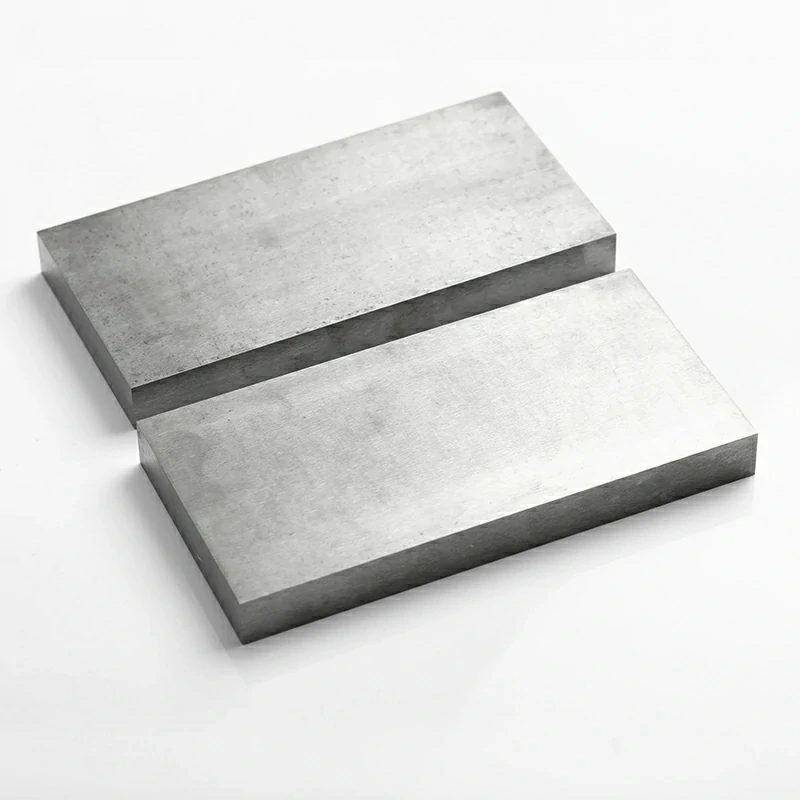
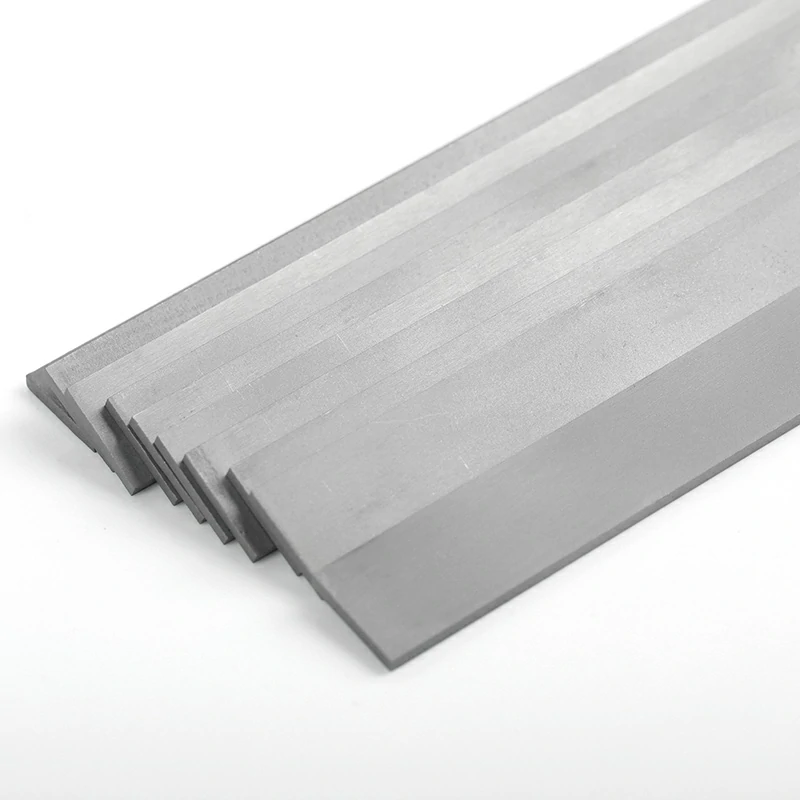
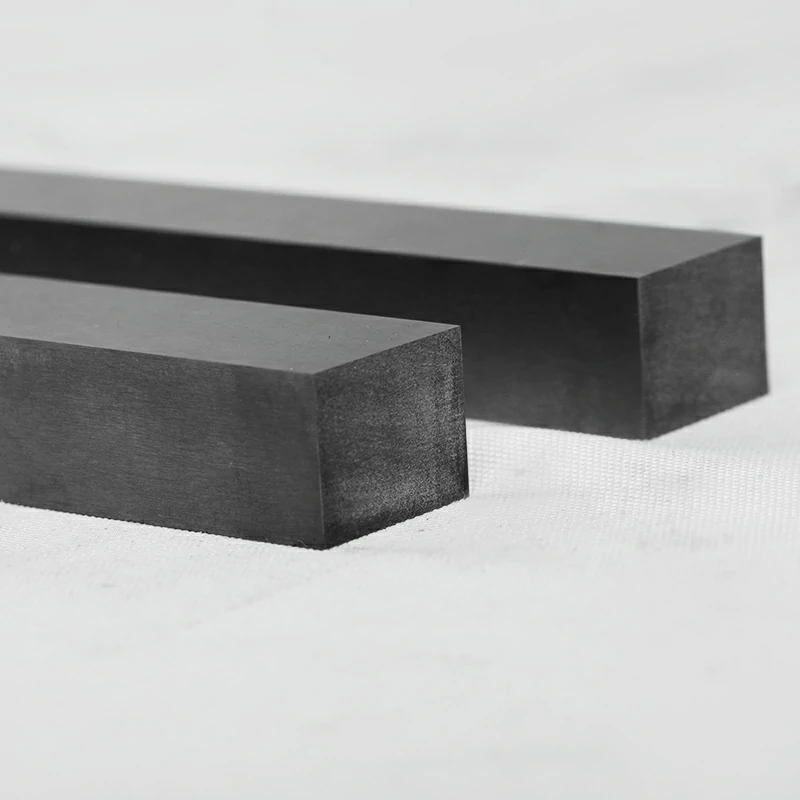
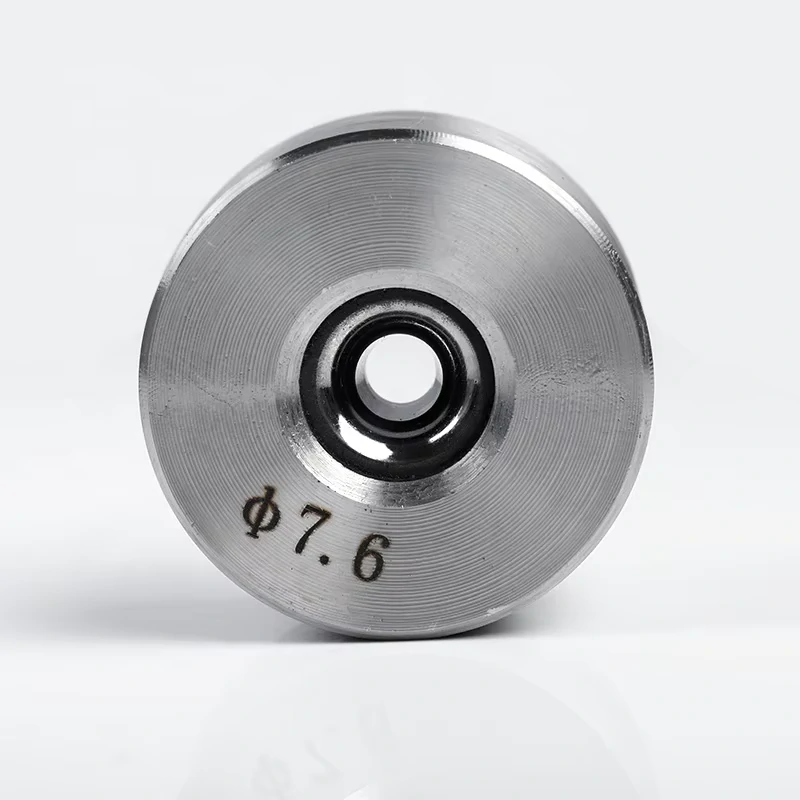
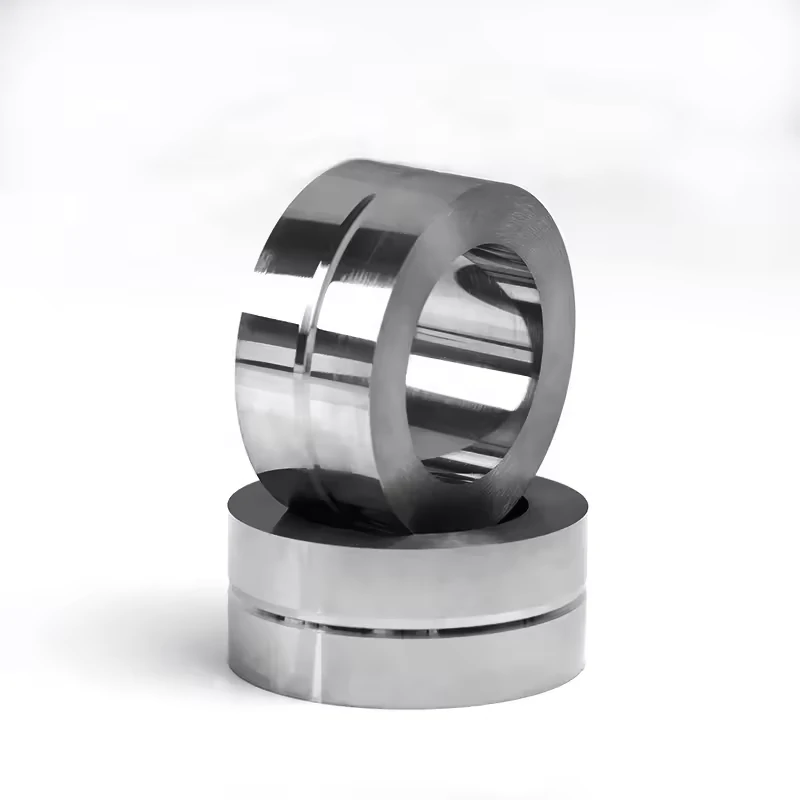
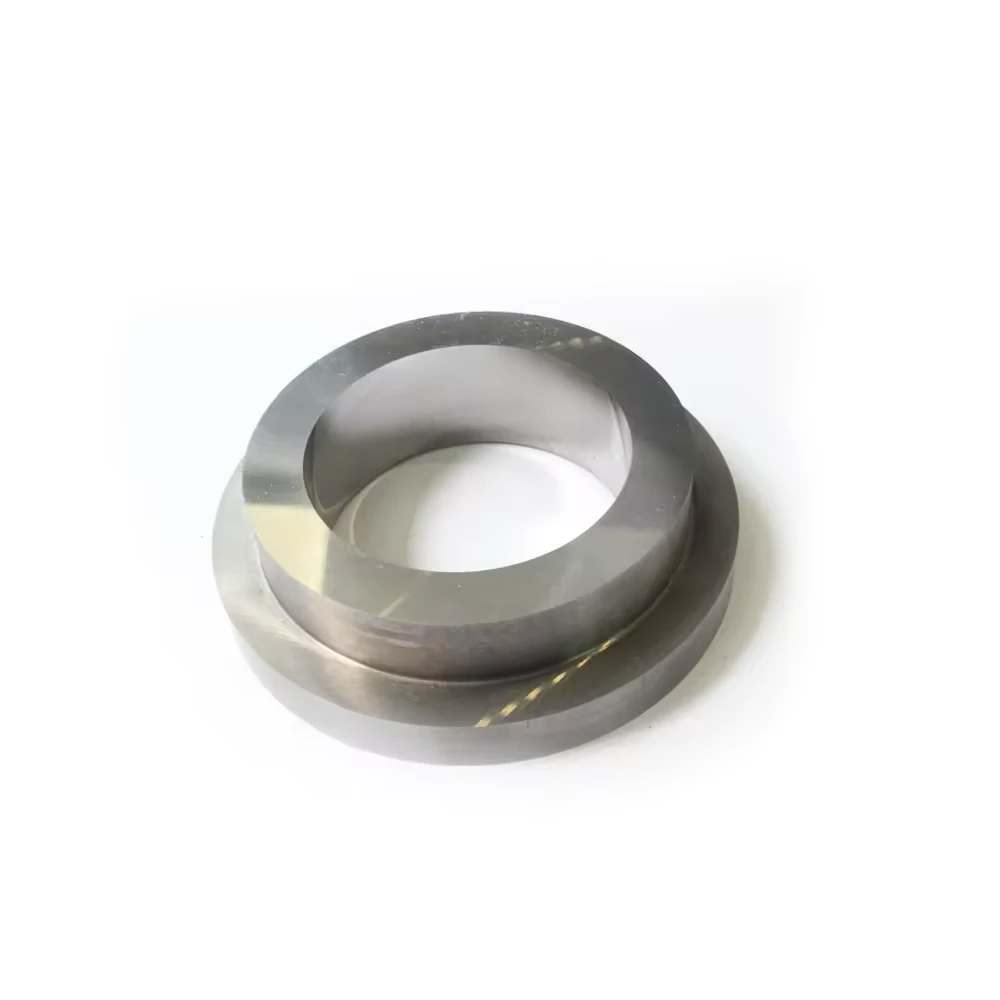
Tungsten carbide 3D glass hot bending plates, also called tungsten carbide heating plates or tungsten steel hot bending plates in some markets, are wear-resistant and heat-resistant plate components used in glass hot bending machines. In a typical forming process, glass is heated and pressed into a designed curved shape. The plate must support high-temperature contact, resist deformation, and help maintain stable forming conditions.
The source material describes these plates as powder metallurgy components for high-temperature glass hot pressing and uniform heat transfer. They are often produced according to equipment drawings because the working size, thickness, surface finish, and matching requirements vary by glass forming machine and product design.
Why Tungsten Carbide Is Used in 3D Glass Forming
3D glass hot bending places demanding requirements on tooling materials. The plate may be exposed to high heat, pressure, and corrosive effects from heated glass. Tungsten carbide is valued in this application because it combines high hardness, dense structure, wear resistance, and good dimensional stability.
Compared with ordinary metallic plates, a properly selected tungsten carbide plate can provide better resistance to wear and surface damage during repeated production cycles. For buyers, this can help support more consistent glass forming, especially when the process requires stable contact surfaces and controlled deformation.
Key Application Areas
Smartphone 3D Cover Glass and Back Glass
The source material highlights the use of 3D glass in mobile phone screens, cover glass, and back glass. As curved glass designs become more common, the hot bending process becomes an important step in achieving curved edges, smooth surfaces, and consistent product shape.
Glass Lens and Precision Glass Components
In addition to phone cover glass, tungsten carbide hot bending plates may be considered for other precision glass forming applications where the tooling must withstand repeated high-temperature cycles and maintain dimensional accuracy.
Custom Glass Forming Equipment
Because different hot bending machines have different working chambers, positioning methods, and pressure conditions, buyers often need custom tungsten carbide plates manufactured according to drawings or samples. HAO CARBIDE can discuss customized carbide solutions based on the buyer's equipment requirements and application conditions.
Important Design and Sourcing Considerations
1. Working Temperature and Process Environment
The source document describes 3D glass hot bending conditions in the range of approximately 950°C to 1150°C or higher. Buyers should confirm their actual working temperature, heating cycle, cooling method, and contact environment before selecting the plate material and structure.
2. Plate Size, Thickness, and Flatness
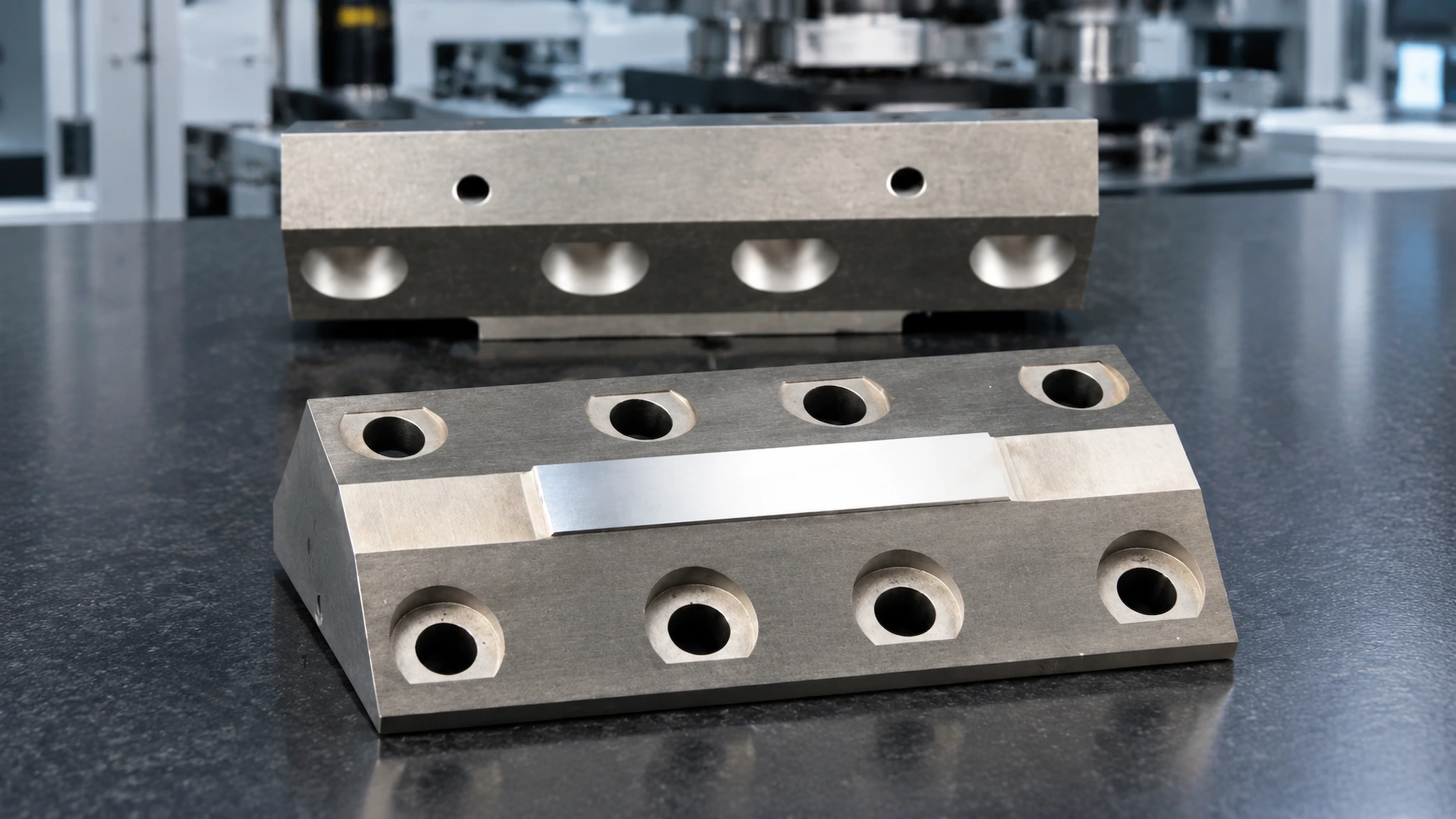
The plate must match the equipment and forming process. When sending an inquiry, provide complete drawings showing length, width, thickness, holes, grooves, chamfers, surface requirements, and any positioning features. If flatness, parallelism, or surface roughness is critical, these should be clearly stated in the RFQ.
3. Material Grade and Performance Balance
Different carbide compositions may be selected depending on the balance required between hardness, thermal stability, corrosion resistance, and machinability. If your current plate has known issues such as cracking, oxidation, surface sticking, or deformation, share this information with the supplier so the material selection can be reviewed more accurately.
4. Drawing-Based Custom Manufacturing
The source material emphasizes production according to hot bending equipment drawings. For overseas buyers, a clear technical file reduces communication time and helps avoid mismatched dimensions. Recommended RFQ documents include 2D drawings, 3D models if available, quantity, tolerance requirements, working temperature, and application notes.
How to Evaluate a Tungsten Carbide Hot Bending Plate Supplier
When evaluating suppliers, focus on technical communication rather than only unit price. A reliable supplier should be able to review your drawing, identify important tolerances, discuss the working environment, and explain whether the part is suitable for carbide manufacturing.
For B2B buyers, the following points are useful during supplier qualification:
Experience with customized tungsten carbide plates and non-standard carbide parts
Ability to manufacture according to drawings or samples
Clear discussion of tolerances, grinding, and surface finish requirements
Inspection before shipment based on agreed specifications
Technical support for material selection and application review
HAO CARBIDE focuses on customized carbide solutions for industrial applications. For tungsten carbide 3D glass hot bending plates, buyers can send drawings, specifications, and working conditions for review before quotation.
RFQ Checklist for Tungsten Carbide 3D Glass Hot Bending Plates
To receive a more accurate quotation, prepare the following information:
Product name: tungsten carbide 3D glass hot bending plate
Drawing or sample photos
Length, width, thickness, and special features
Required tolerance range: [Insert tolerance range]
Surface finish or grinding requirement
Working temperature and process environment
Application: phone cover glass, back glass, lens, or other glass forming
Estimated order quantity and delivery requirement: [Insert service or delivery information]
Conclusion
Tungsten carbide 3D glass hot bending plates are specialized tooling components for demanding glass forming environments. Their value depends on correct material selection, accurate machining, stable surface quality, and close matching with the hot bending equipment.
If you are sourcing custom tungsten carbide hot bending plates for 3D glass forming, contact HAO CARBIDE with your drawings, working temperature, and application details. Our team can review your requirements and provide a customized carbide solution for your production needs.
FAQ
What is a tungsten carbide 3D glass hot bending plate used for?
It is used in glass hot bending equipment as a high-temperature support and heat distribution component for forming curved glass parts such as phone cover glass, back glass, and precision glass components.
Can tungsten carbide hot bending plates be customized?
Yes. These plates are commonly produced according to drawings or samples because each glass forming machine may require different dimensions, holes, grooves, and surface requirements.
What information should I provide for a quotation?
Please provide drawings, dimensions, tolerance requirements, working temperature, surface finish requirements, quantity, and application details. Photos or samples can also help with technical review.
Why is tungsten carbide suitable for hot bending plates?
Tungsten carbide offers high hardness, wear resistance, dense structure, and good dimensional stability, making it suitable for demanding high-temperature industrial tooling applications.
Does HAO CARBIDE provide standard sizes?
For this application, custom manufacturing according to equipment drawings is usually more important than standard sizes. Buyers should send their specific drawing or sample for review.
Call to Action
Send your tungsten carbide 3D glass hot bending plate drawing to HAO CARBIDE for technical review and quotation. Include the working temperature, plate dimensions, tolerance requirements, and application details so we can help evaluate a suitable carbide solution.