Tungsten Carbide IC Packaging Press Heads for LCD COG, FOG, and POL Equipment
Writer: admin Time:2026-11-24 09:37:52
Tungsten Carbide IC Packaging Press Heads for LCD COG, FOG, and POL Equipment
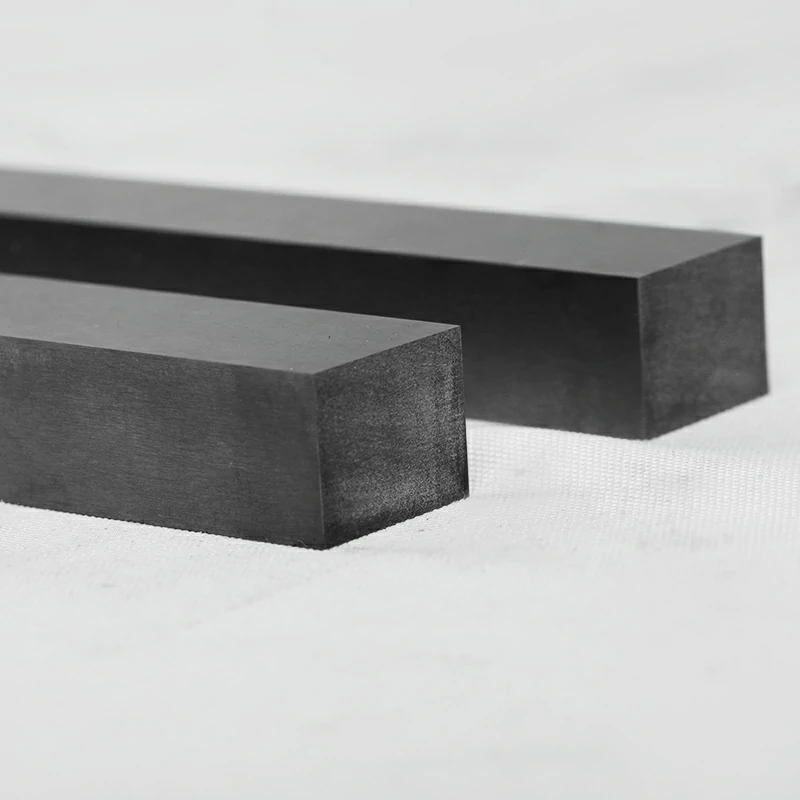
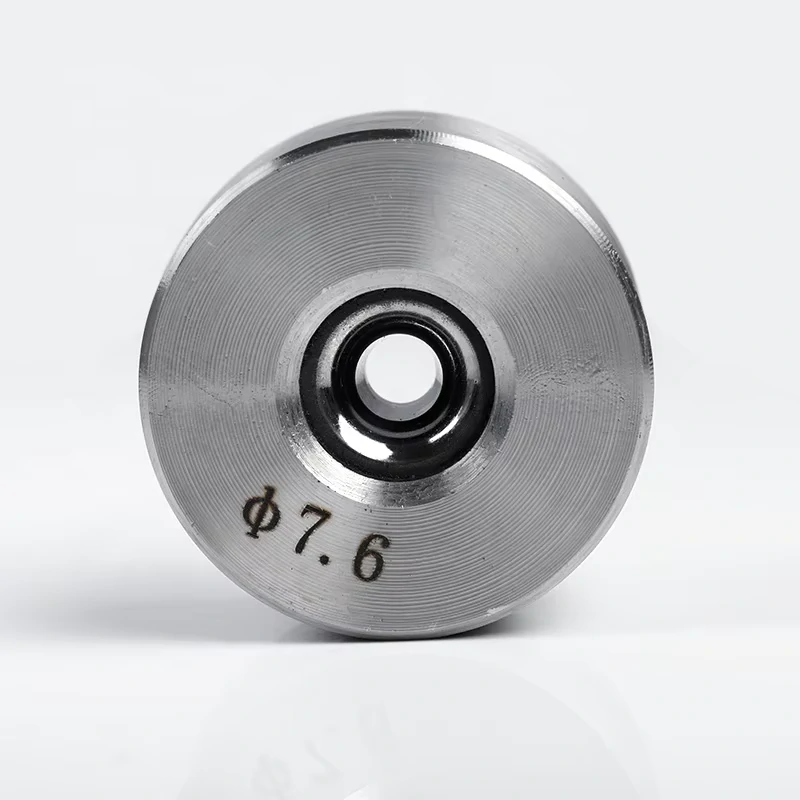
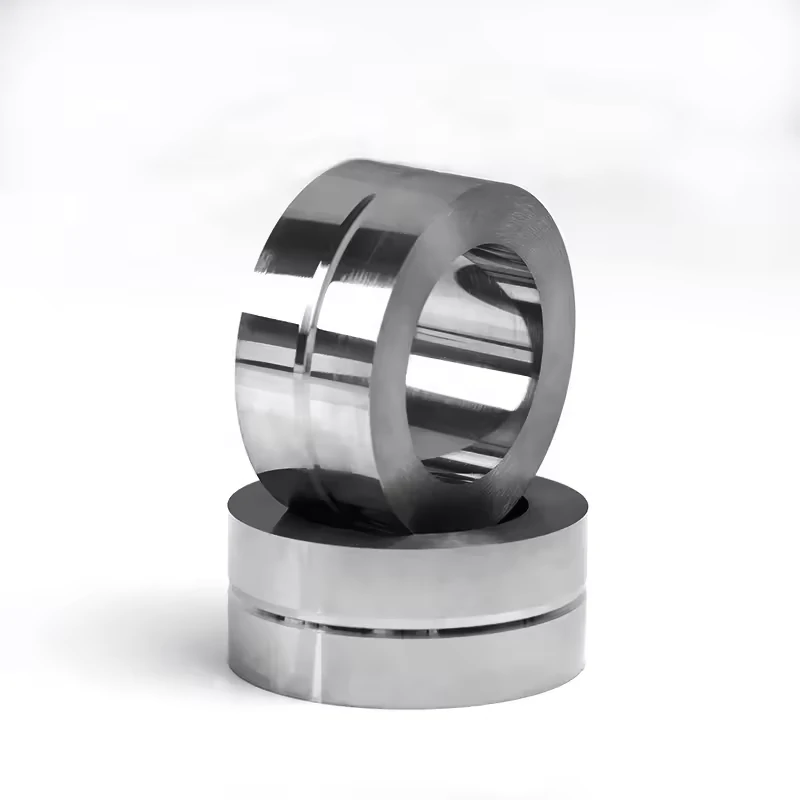
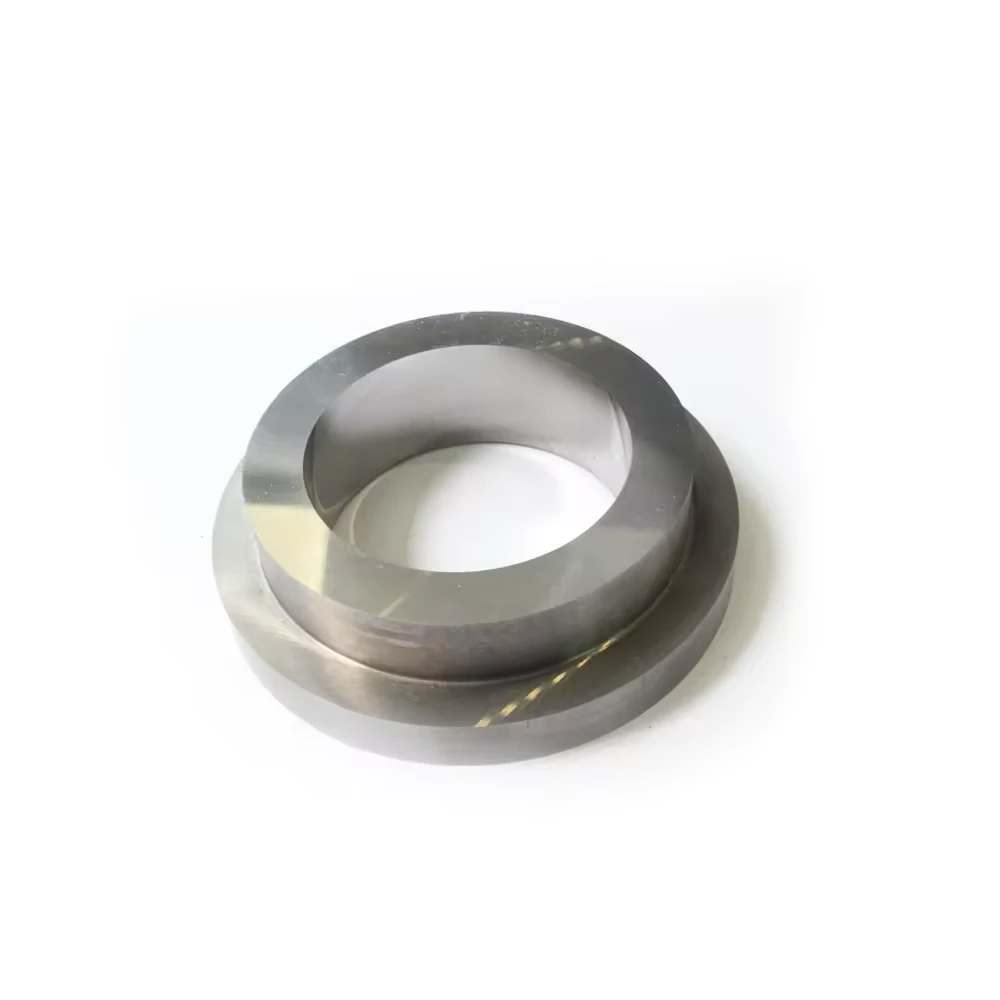
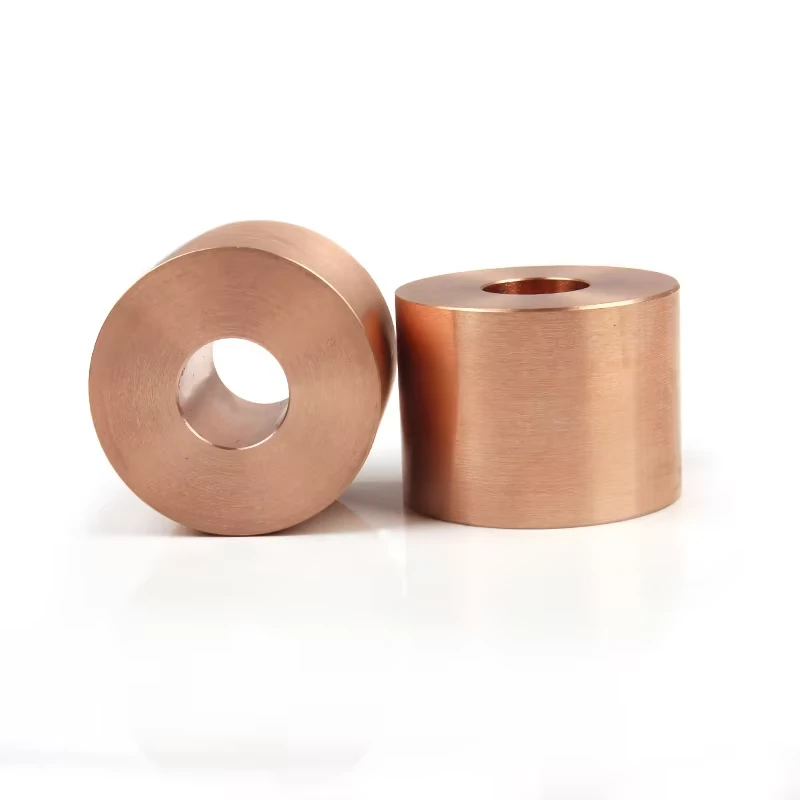
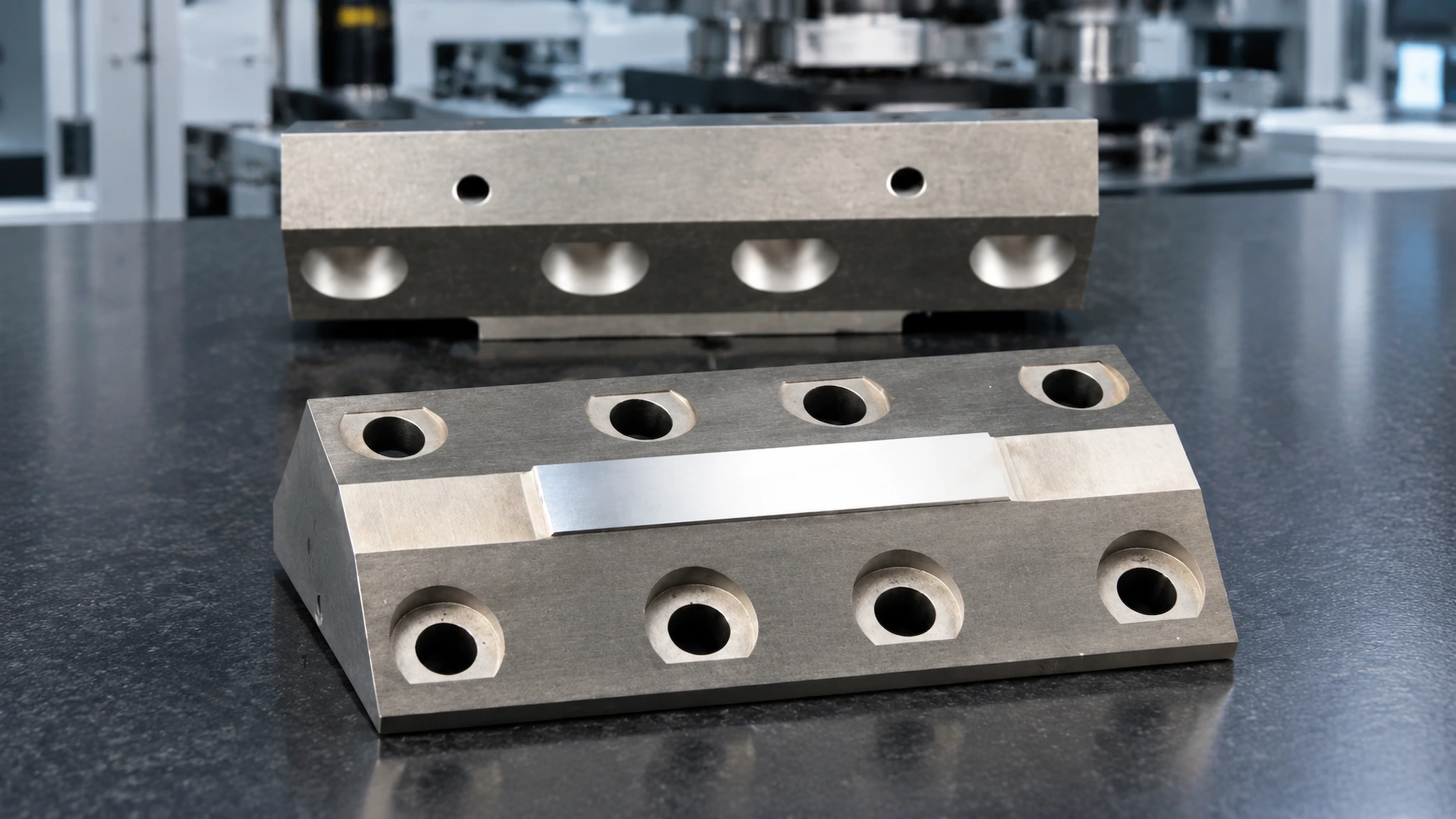
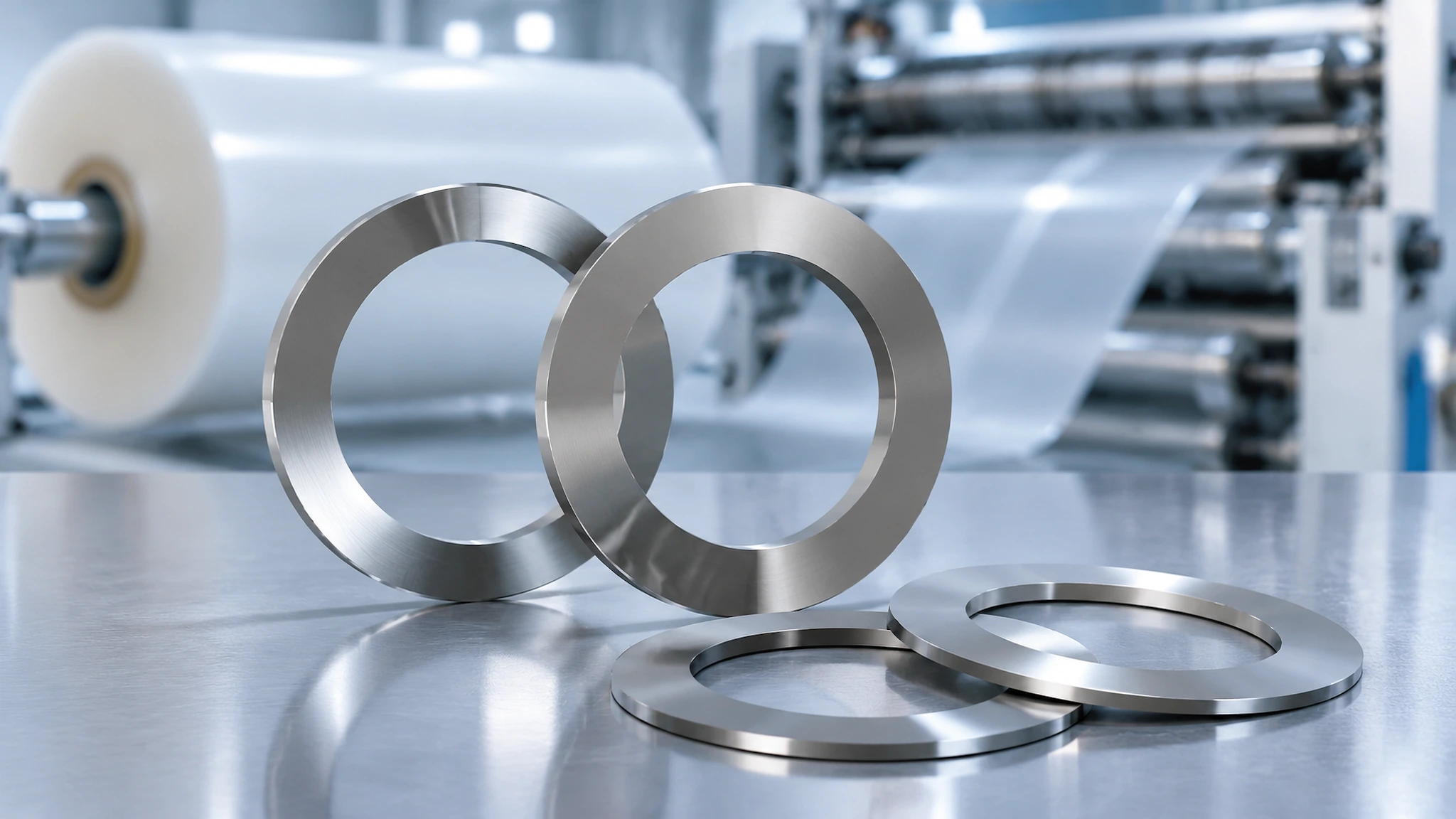
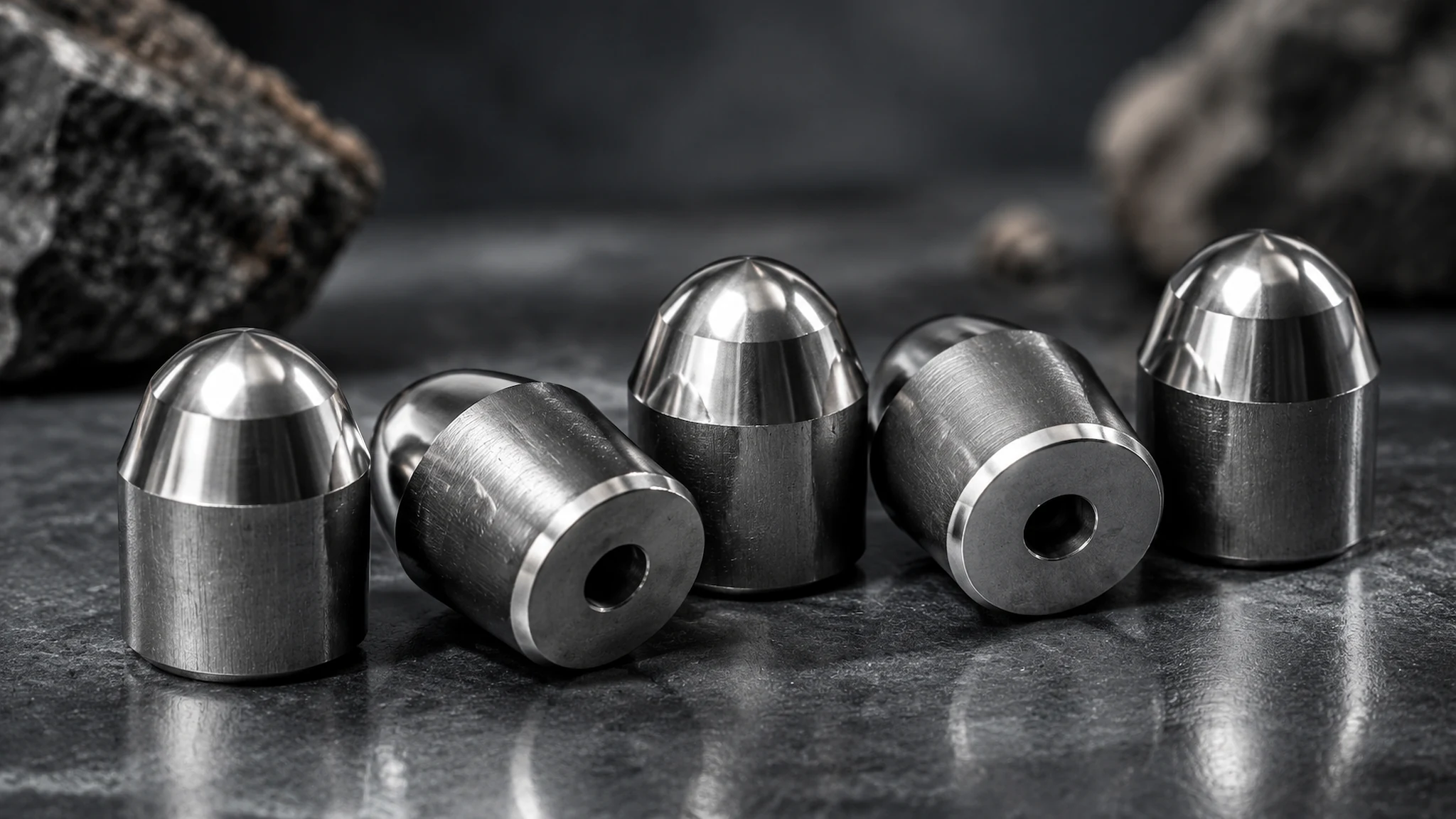
In automated flat-panel display and electronics assembly lines, bonding tools must maintain micron-level planar contact across thousands of repetitive pressing cycles. Tungsten carbide IC packaging press heads—supplied as matched upper and lower press head assemblies—are precision non-standard wear components engineered for automated LCD production equipment, including COG (Chip on Glass), FOG (Film on Glass), and POL (Polarizer) systems.
This guide explains how tungsten carbide IC packaging press heads work in LCD module assembly, the documented material and geometric specifications from our technical source data, the manufacturing process behind pre-formed internal threads and mirror-ground pressing faces, and the key engineering details B2B buyers should provide when requesting a custom quotation from HAO CARBIDE.
What Are Tungsten Carbide IC Packaging Press Heads?
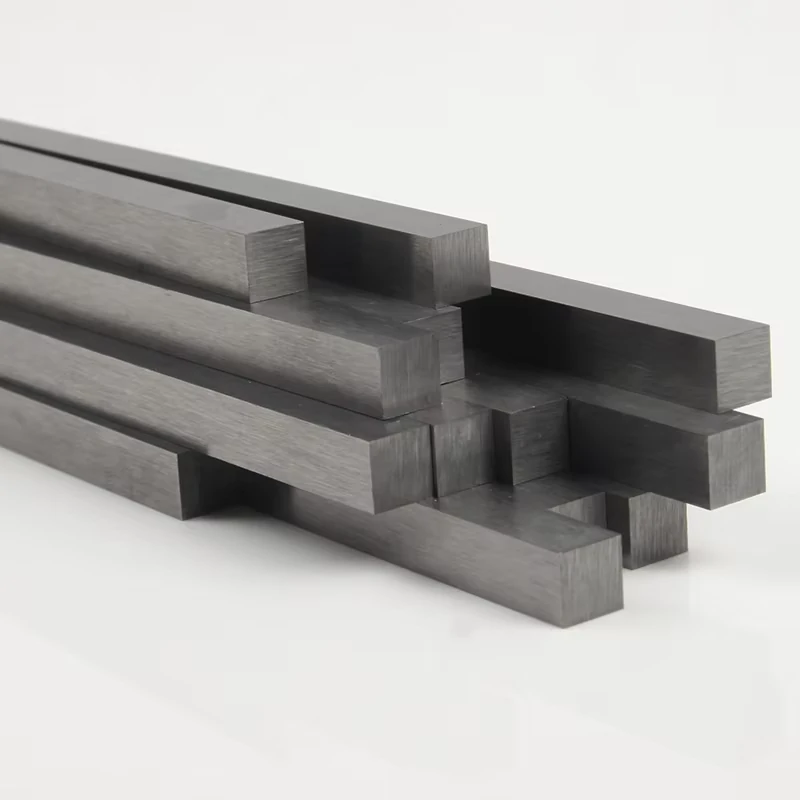
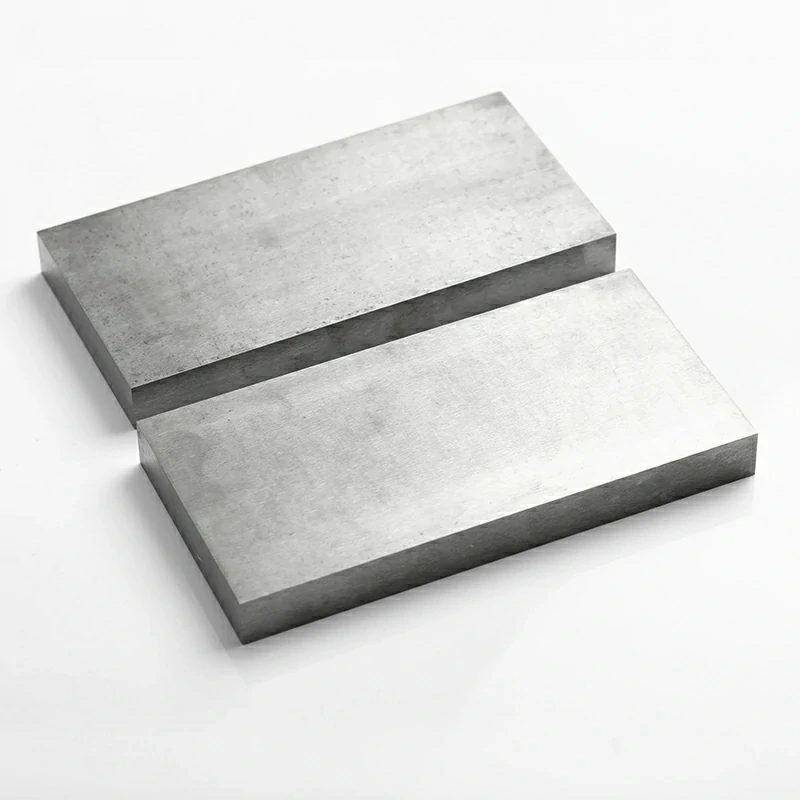
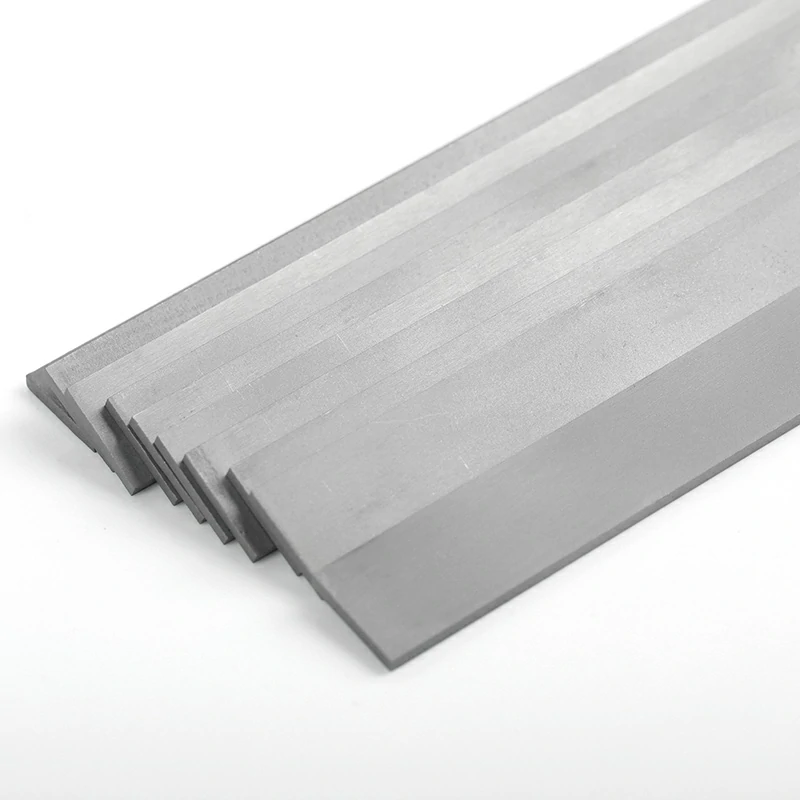
Tungsten carbide IC packaging press heads are custom-machined cemented carbide wear parts that apply controlled mechanical pressure during integrated circuit (IC) and flexible circuit bonding operations. In display module manufacturing, an IC packaging press head typically operates as a matched upper press head and lower press head set:
Upper press head: Contacts the component or bonding medium from above, requiring a flat, wear-resistant pressing face and accurate perpendicular alignment with the actuator spindle.
Lower press head (support head/stage): Supports the glass substrate or panel assembly from below so pressing force is distributed evenly across the bonding zone without flexing or localized stress concentrations.
Because even slight surface wear, thermal distortion, or angular misalignment on the pressing face can lead to uneven bonding pressure or substrate damage, solid tungsten carbide is selected for its high hardness, structural rigidity, and dimensional stability.
Key Applications in Automated LCD Production Equipment
According to our technical documentation, custom tungsten carbide IC packaging press heads are built to match automated LCD manufacturing systems across three core processes:
1. COG (Chip on Glass) Bonding Equipment
In COG assembly, driver ICs are bonded directly onto the glass edge of an LCD panel. The press head must deliver uniform pressure across a narrow contact footprint. High flatness (within 0.008 mm in the documented specification) helps maintain consistent conductive particle compression across the entire IC bump array.
2. FOG (Film on Glass) Bonding Equipment
FOG systems bond flexible printed circuits (FPC) or chip-on-film (COF) packages onto the display glass substrate. Because automated FOG lines operate continuously at high cycle rates, the press head surface must resist abrasive wear and maintain perpendicular alignment with the lower support anvil over long production runs.
3. POL (Polarizer) Attachment and Lamination Equipment
Automated POL equipment handles precision positioning and pressing operations during LCD polarizer processing. Custom non-standard carbide press heads and wear blocks provide rigid, corrosion-resistant contact surfaces that retain their geometry without burrs, pitting, or surface deformation.
Documented Technical Specifications and Reference Parameters
Every IC packaging press head is a non-standard component manufactured strictly to customer engineering drawings. Below are the documented technical parameters from our source data for a custom solid tungsten carbide upper press head:
Component configuration: Matched upper press head and lower press head set (custom non-standard wear part manufactured to customer drawings)
Target equipment: Automated COG, FOG, and POL production equipment in the LCD industry
Blank forming method: Solid tungsten carbide semi-finished blank pressing and sintering with pre-formed internal threads
Sintering process: Vacuum low-pressure sintering at 1,300 °C
Microstructure quality: Dense metallographic structure with no sand holes and no pores
Hardness range: HRA 92.5–93
Flatness requirement: Within 0.008 mm
Perpendicularity requirement: Within 0.02 mm
General Wear-Part Carbide Grade Context
In broader tungsten carbide wear-part manufacturing, common WC-Co grades documented in our technical reference materials include YG3, YG6, YG15, YG20, and YG20C, which cover a spectrum from high-hardness, low-cobalt wear resistance to higher-cobalt impact toughness. For IC packaging press heads requiring HRA 92.5–93 hardness and tight planar stability, the specific grade—such as [Insert material grade]—should be confirmed during engineering review based on your drawing and operating conditions.
How Solid Tungsten Carbide IC Press Heads Are Manufactured
Producing a custom carbide press head that meets 0.008 mm flatness and 0.02 mm perpendicularity while incorporating internal mounting threads requires careful coordination between blank pressing, sintering, and precision grinding:
1. Semi-Finished Blank Pressing with Pre-Formed Internal Threads
Fully sintered tungsten carbide is extremely hard (HRA 92.5–93), making deep internal thread machining after sintering difficult and time-consuming. In our documented production workflow, the press head is formed as a solid tungsten carbide semi-finished blank where the internal threads are pre-formed during the green-blank pressing and semi-finishing stage prior to final sintering. This pre-forming step establishes the thread profile early and facilitates accurate post-sintering thread finishing.
2. 1,300 °C Vacuum Low-Pressure Sintering
The pressed blanks undergo vacuum low-pressure sintering at 1,300 °C. Controlled low-pressure sintering eliminates internal micro-voids and produces a dense, uniform metallographic structure free of sand holes or gas pores—an essential requirement when the working face will be precision-ground to micron-level flatness.
3. Precision Machine Tool Surface Grinding
After sintering, the press head blank is finished on precision grinding machine tools. Working faces, datum surfaces, and mounting interfaces are ground to achieve the required dimensional tolerances, keeping flatness within 0.008 mm and perpendicularity within 0.02 mm across the matched upper and lower press head assembly.
Key Engineering Factors When Sourcing Custom IC Packaging Press Heads
1. Flatness and Parallelism Across the Contact Zone
During COG and FOG bonding, pressure uniformity depends directly on the flatness of the upper pressing face and its parallelism relative to the lower stage. Always specify the exact flatness callout (such as 0.008 mm) and datum references on your 2D drawing.
2. Perpendicularity Between Mounting Datum and Working Face
If the mounting surface or internal thread axis is not perpendicular to the bottom pressing face, actuator force will be applied at an angle, causing uneven edge loading. The documented perpendicularity tolerance of 0.02 mm ensures the press head transfers vertical force squarely onto the substrate.
3. Pre-Formed Internal Threads and Mounting Geometry
Because internal threads are semi-finished before sintering and precision-finished afterward, buyers should clearly specify thread size, pitch, depth, and position tolerances on the engineering drawing so shrinkage allowances and grinding datums can be planned accurately.
4. Matched Upper and Lower Set Consistency
When ordering both upper and lower press heads, procuring them as a matched set from a single manufacturer helps ensure consistent carbide grade selection, thermal expansion behavior, and datum alignment between the upper pressing blade and lower support block.
How to Evaluate a Tungsten Carbide Wear-Part Manufacturer
When qualifying a B2B supplier for custom LCD bonding press heads and non-standard carbide wear components, engineering and procurement teams should verify:
Near-net-shape blank capability: Experience forming semi-finished carbide blanks with pre-formed internal threads or complex slots prior to sintering.
Sintering metallographic quality: Vacuum low-pressure sintering capability that delivers pore-free, sand-hole-free internal structure suitable for fine surface finishing.
Precision profile and surface grinding: Ability to hold tight geometric tolerances such as 0.008 mm flatness and 0.02 mm perpendicularity on HRA 92.5–93 carbide.
Drawing-based customization: Strict execution according to customer 2D/3D drawings for matched upper and lower assemblies, with dimensional inspection before shipment.
HAO CARBIDE supplies customized tungsten carbide wear parts—including non-standard profiles, plates, rods, strips, and precision mold/equipment components—manufactured according to customer drawings or samples for overseas B2B buyers. You can explore our custom capabilities at [Insert product page URL].
RFQ Checklist for Custom IC Packaging Press Heads
To receive a fast and accurate technical quotation from HAO CARBIDE, please include the following information in your inquiry:
Product name: Tungsten carbide IC packaging press head (upper head, lower head, or matched set)
Equipment application: COG, FOG, POL, or other automated display/semiconductor bonding equipment
Engineering drawings: Complete 2D drawings (PDF/DWG/DXF) and 3D models (STEP/IGES) showing overall dimensions, pressing face width, and internal thread specifications
Geometric tolerances: Flatness (e.g., 0.008 mm), perpendicularity (e.g., 0.02 mm), dimensional tolerances [Insert tolerance range], and surface roughness callouts
Material & hardness requirements: Target hardness (e.g., HRA 92.5–93) or preferred carbide grade [Insert material grade]
Order quantity & delivery: Prototype/trial quantity, batch production volume, and target delivery schedule [Insert service or delivery information]
Frequently Asked Questions (FAQ)
What equipment uses tungsten carbide IC packaging press heads?
Tungsten carbide IC packaging press heads are used as precision wear-resistant pressing components on automated LCD manufacturing equipment, including COG (Chip on Glass), FOG (Film on Glass), and POL (Polarizer) machines.
What flatness and perpendicularity tolerances are documented for these press heads?
In our documented custom specification for an LCD IC packaging upper press head, flatness is held within 0.008 mm and perpendicularity is controlled within 0.02 mm, with a material hardness of HRA 92.5–93. Final tolerances are confirmed per the buyer's engineering drawing.
How are internal threads produced in solid tungsten carbide press heads?
Because sintered tungsten carbide at HRA 92.5–93 is extremely hard, the internal threads are pre-formed (semi-finished) during the green-blank pressing and sintering stage, followed by precision machine grinding to achieve final dimensional accuracy.
Are IC packaging press heads supplied as single pieces or matched sets?
They can be manufactured according to your drawing either as individual upper or lower replacement heads or as a matched upper and lower press head assembly to ensure consistent alignment on your bonding equipment.
How do I request a custom quote from HAO CARBIDE?
Send your 2D/3D engineering drawings, target hardness or grade preference, flatness/perpendicularity requirements, and order quantity to HAO CARBIDE via [Insert contact page URL] for a technical review and tailored quotation.
Contact HAO CARBIDE for Custom Carbide Wear Parts
Need precision-ground tungsten carbide IC packaging press heads for COG, FOG, or POL production lines? Contact HAO CARBIDE today with your engineering drawings and tolerance specifications. Our team provides customized carbide solutions manufactured strictly to your drawings, with stable quality control and inspection before shipment.