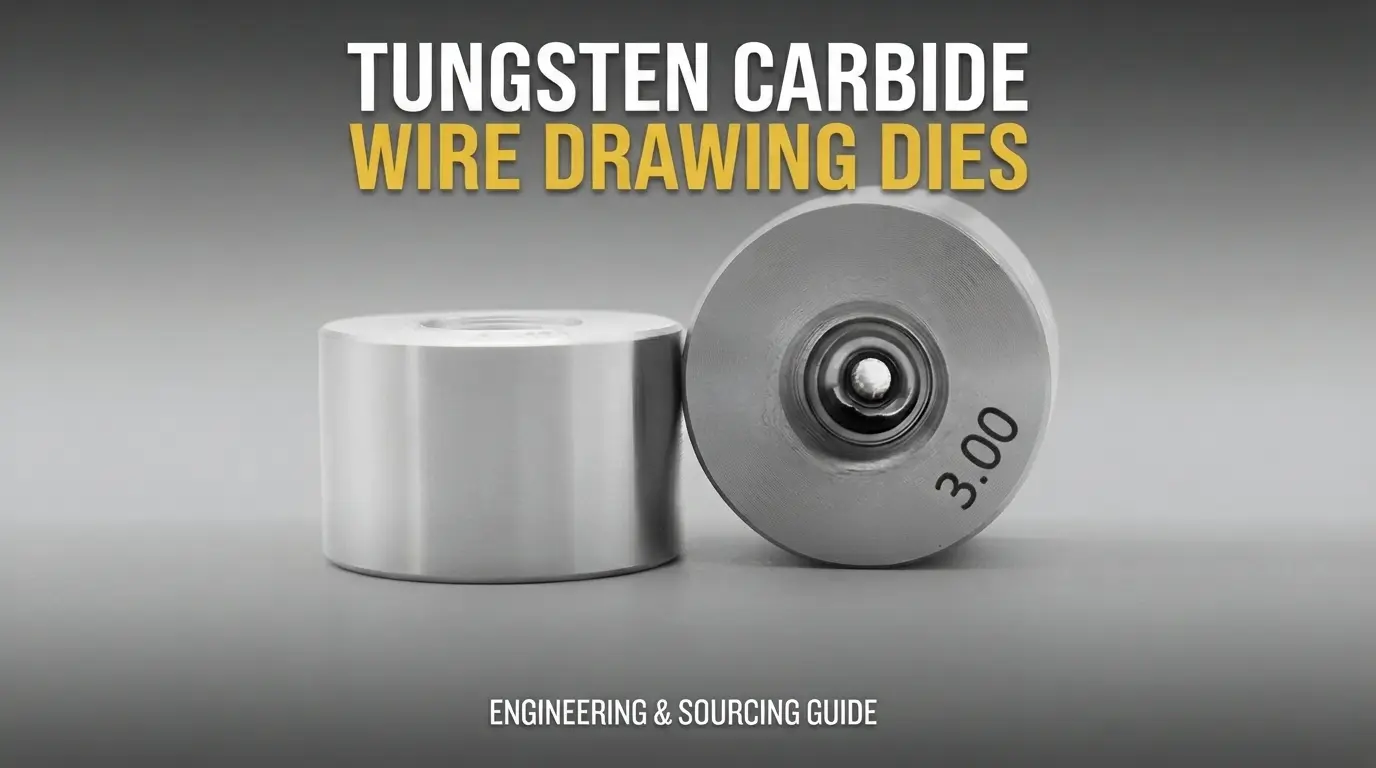
Tungsten Carbide Wire Drawing Dies: Engineering & Sourcing Guide
Writer: admin Time:2026-09-23 18:05:52
In the wire, cable, and fastener industries, the drawing die is the heart of the manufacturing line. Wire drawing is a severe plastic deformation process where metal rods or wires are pulled through progressively smaller orifices under extreme compressive stresses, elevated contact temperatures, and heavy frictional wear.
While ultra-fine wire drawing often relies on expensive Polycrystalline Diamond (PCD) dies, tungsten carbide wire drawing dies remain the undisputed global standard for intermediate, heavy-gauge, and high-strength wire production—delivering the ultimate balance of high compressive strength, thermal conductivity, and cost-efficiency.
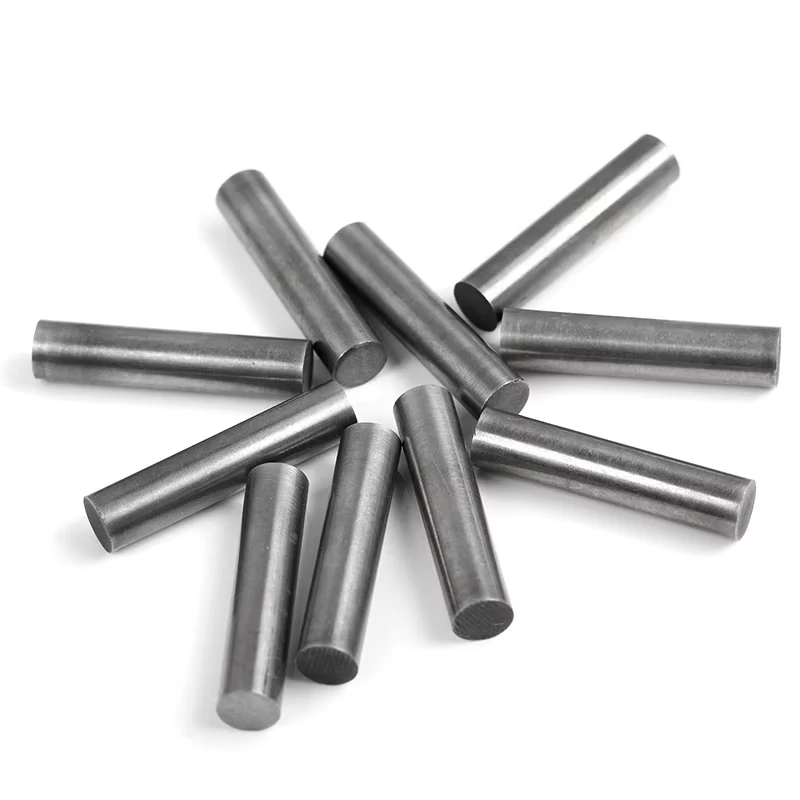
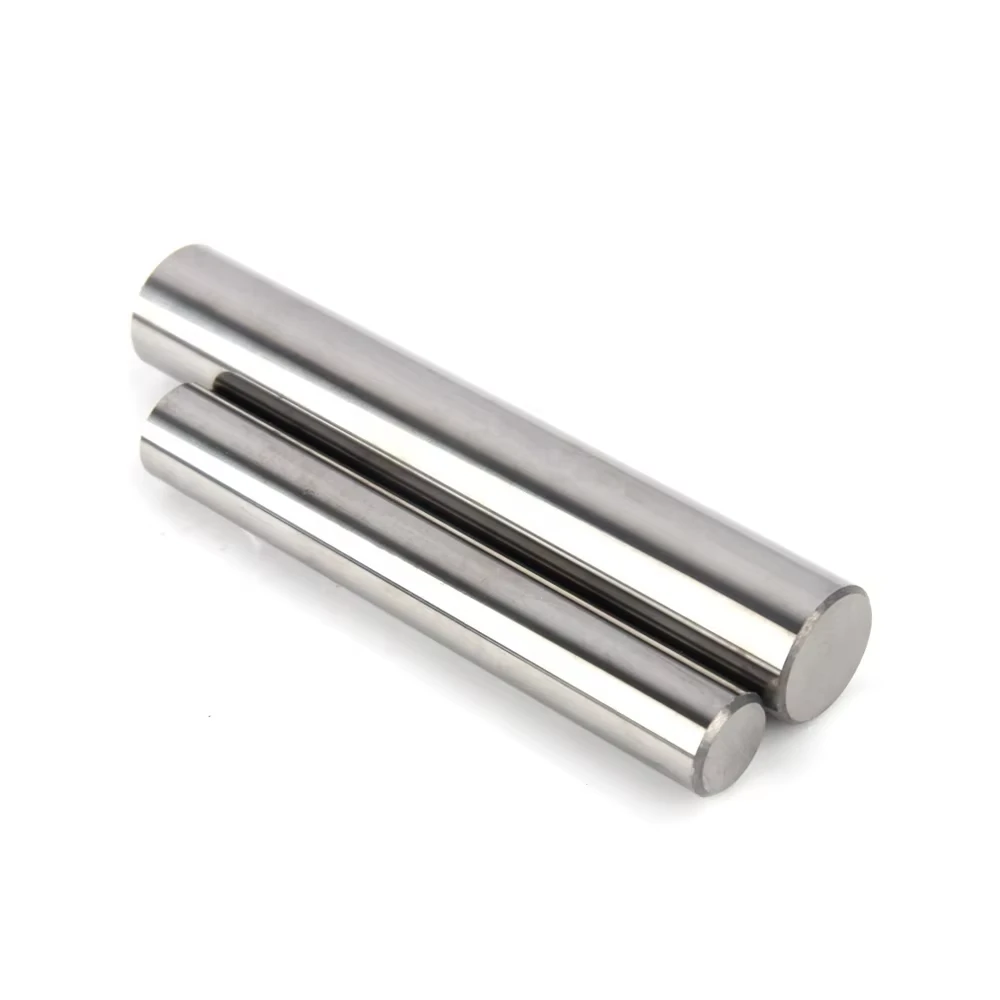
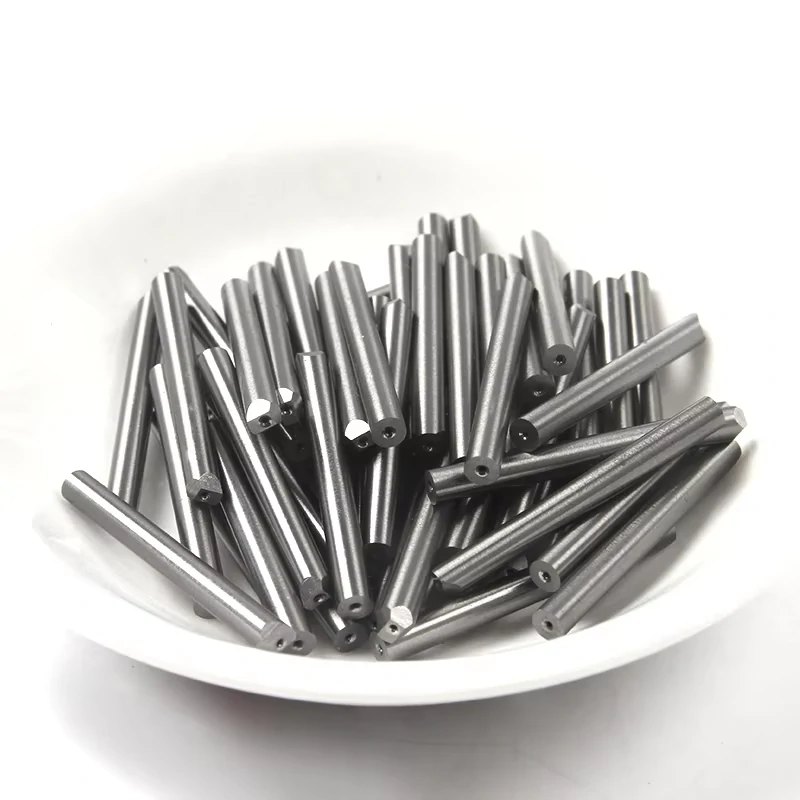
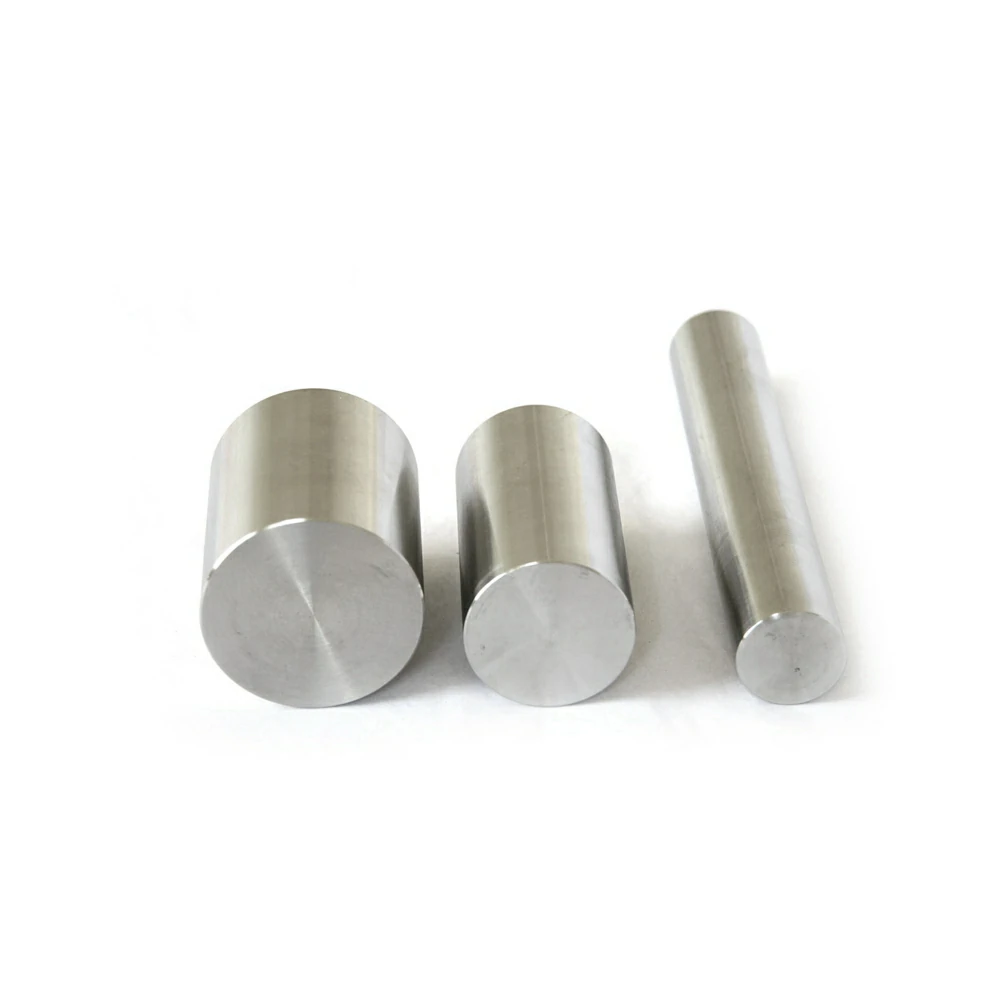
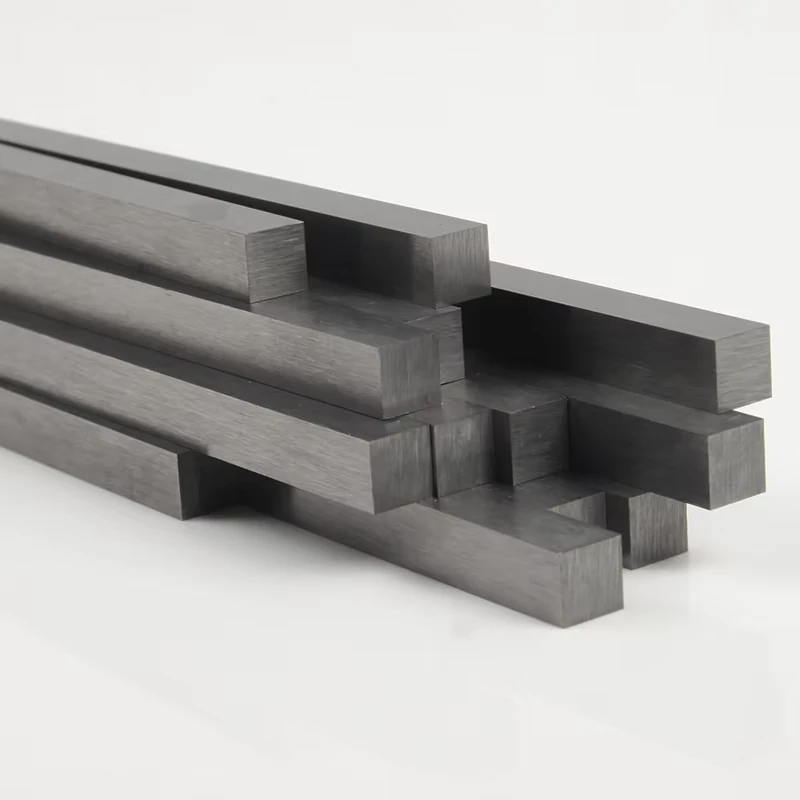
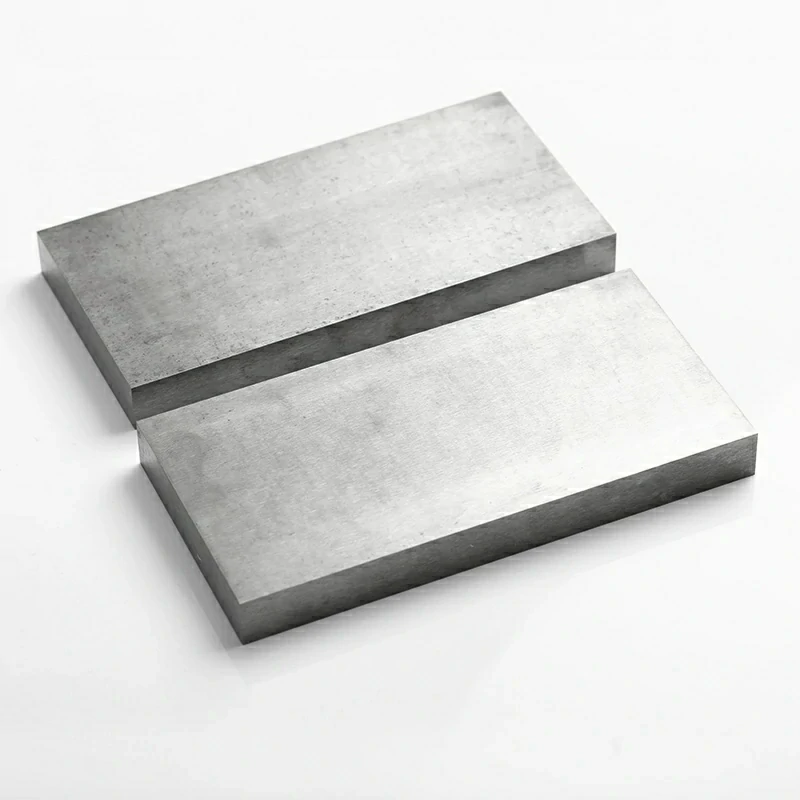
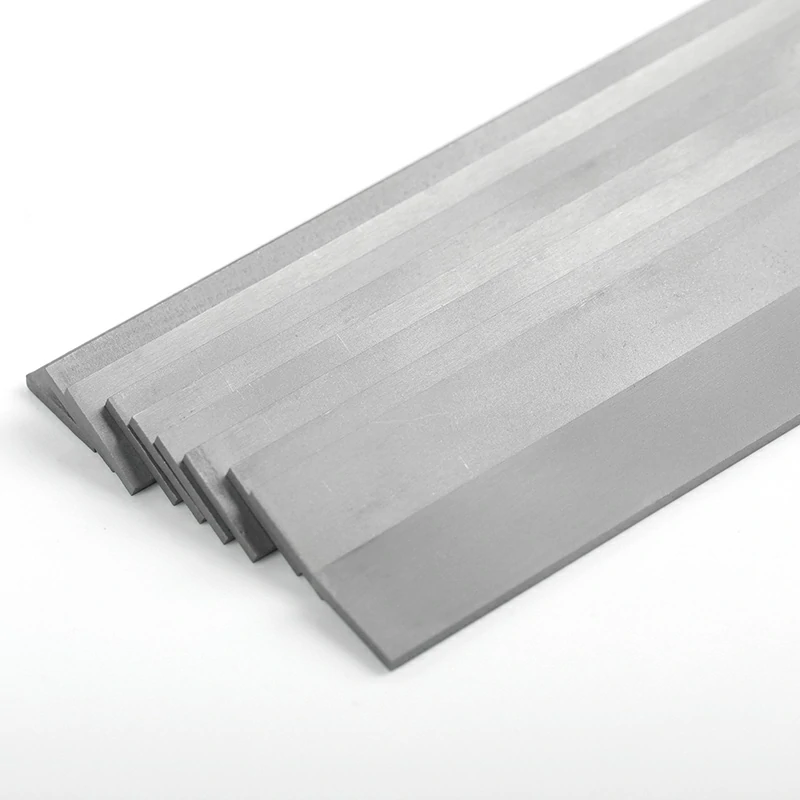
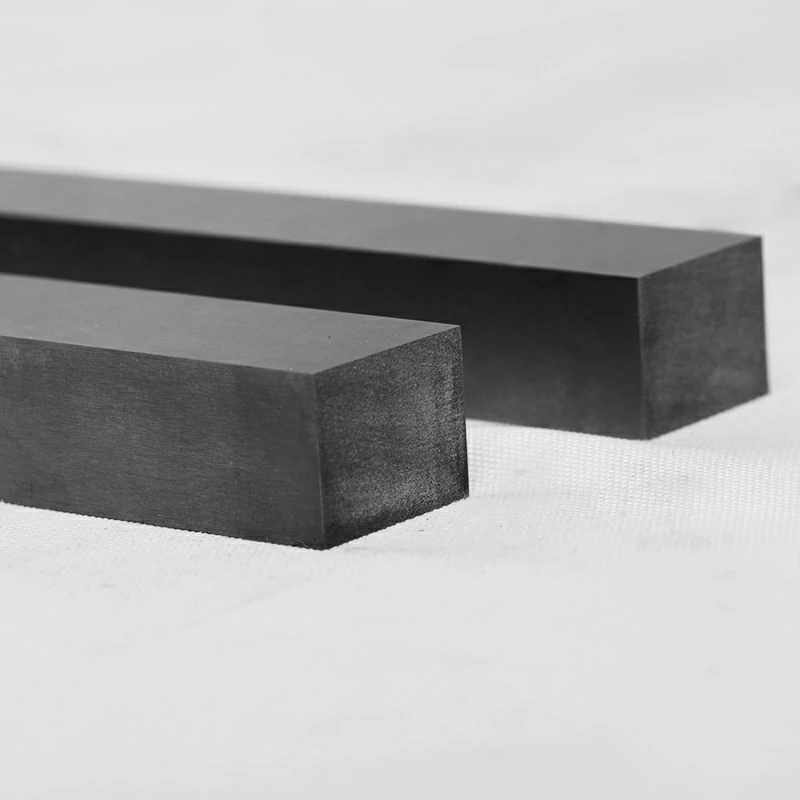
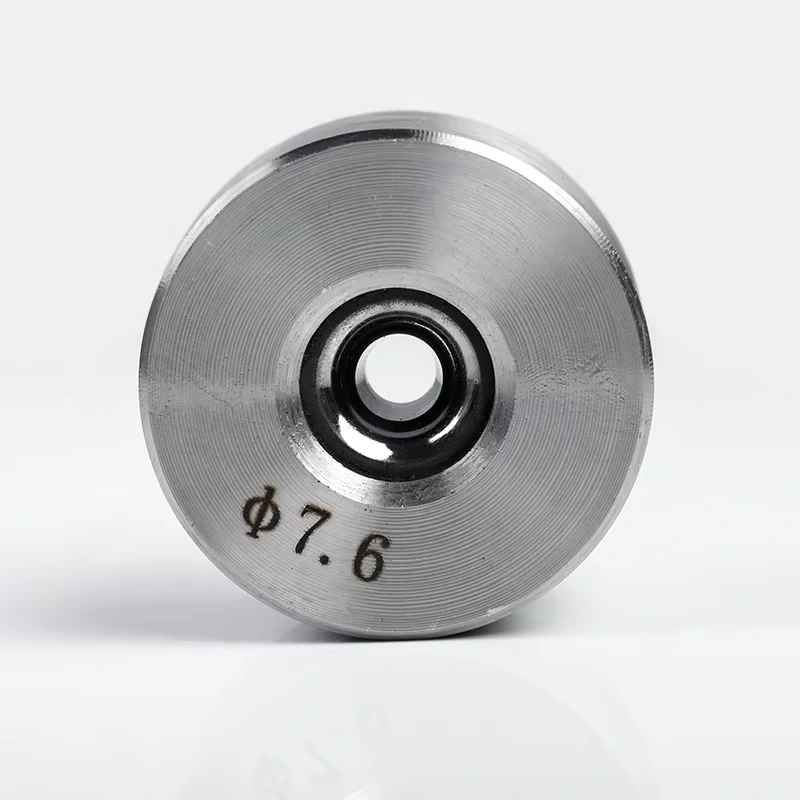
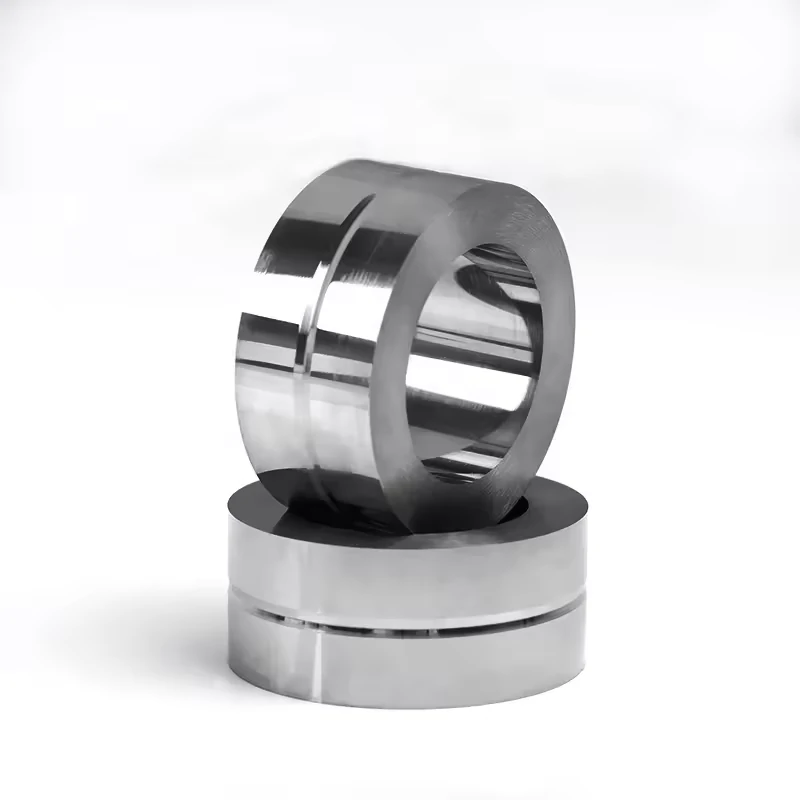
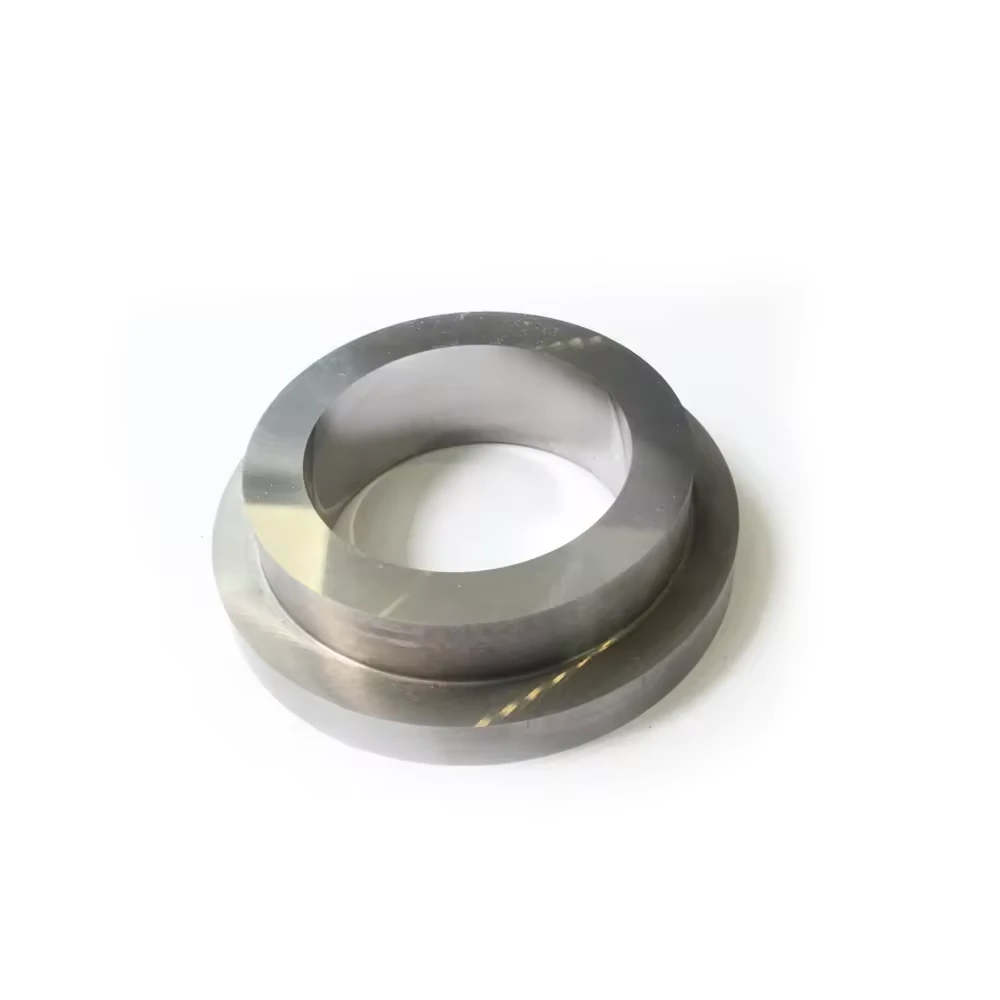
As an established manufacturer based in Zhuzhou, China, HAO Carbide produces precision-engineered cemented carbide die blanks (nibs) and mounted finished dies for global wire drawing plants. In this comprehensive guide, we dissect drawing die internal geometries, compare material grades, and share best practices to prevent premature wear.
1. Anatomy of a Wire Drawing Die: Why Internal Geometry Dictates Tool Life
A tungsten carbide drawing die is far more than a simple hole drilled into metal. Its internal profile consists of four mathematically engineered zones, each serving a precise metallurgical function:
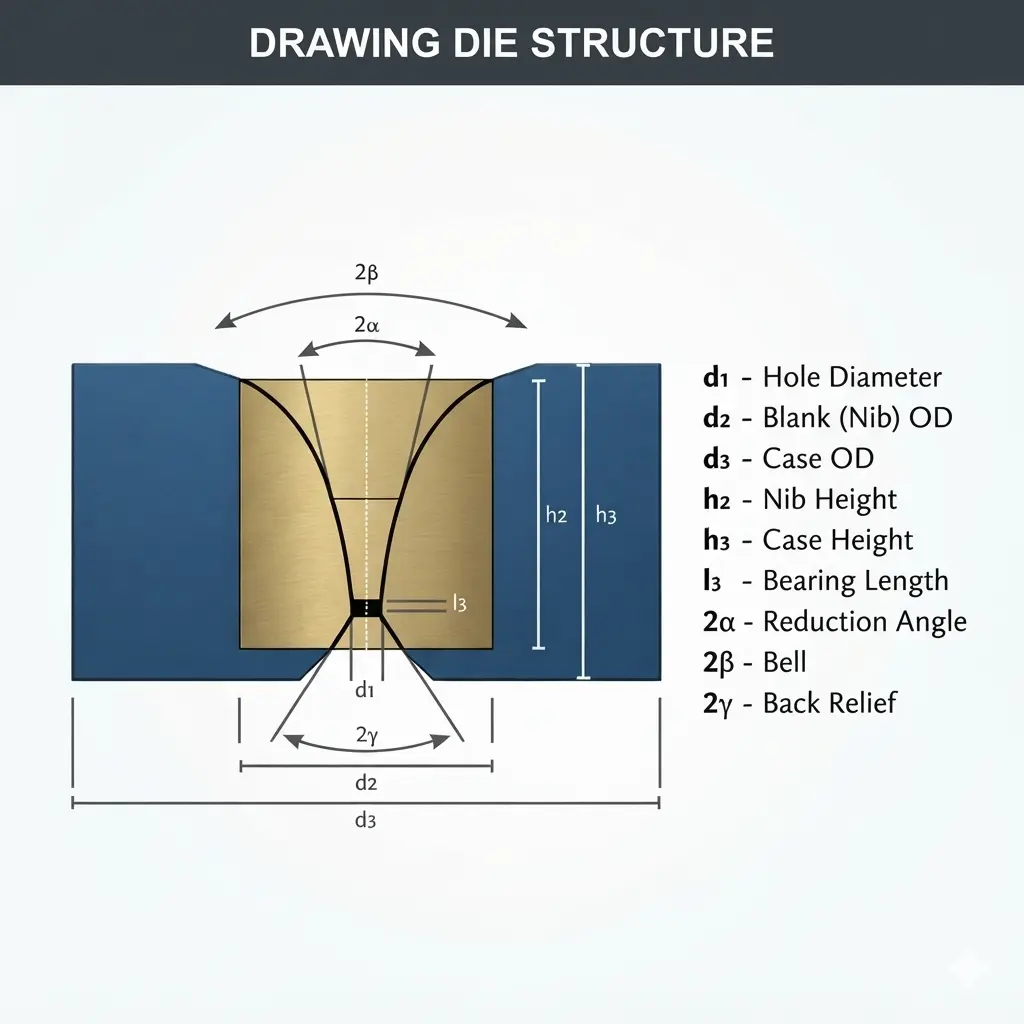
1. Entrance / Bell Zone
Function: Welcomes incoming wire and acts as a funnel to flood the reduction zone with industrial drawing lubricants (dry drawing soaps or wet water-soluble emulsions).
Engineering Standard: Must have a smooth, blending transition into the reduction zone to prevent scraping of wire coatings (like galvanizing or copper plating).
2. Reduction / Approach Zone
Function: The conical working zone where actual cross-sectional reduction and plastic deformation occur.
Key Angle Choice
(Narrow): Ideal for high-tensile carbon steel, tyre cord, and stainless steel wire to balance drawing force and compressive stress.
- (Wide):
Optimized for ductile non-ferrous metals like copper, brass, and aluminum.
3. Bearing / Sizing Cylinder
Function: Sets the final wire diameter, circularity (ovality), and surface smoothness.
Length-to-Diameter Ratio
4. Back Relief / Exit Zone
Function: Allows the drawn wire to expand slightly upon exit (elastic recovery) without scraping against sharp edges, preventing edge chipping on the carbide insert.
2. Tungsten Carbide vs. PCD Drawing Dies: Application Matrix
Procurement managers often weigh the trade-offs between tungsten carbide (TC) and polycrystalline diamond (PCD) dies. The decision primarily hinges on wire diameter, volume economics, and material tensile strength:
| Comparison Metric | Tungsten Carbide Wire Drawing Dies | Polycrystalline Diamond (PCD) Dies |
|---|
| Typical Diameter Range | up to | up to |
| Initial Tooling Cost | Economical / Low capital investment | Expensive (5x to 15x higher than carbide) |
| Best Wire Materials | High-carbon steel, spring wire, PC strand, rebar, copper, flux-cored welding wire | Fine copper, aluminum magnet wire, gold/silver wire, stainless micro-wire |
| Impact & Shock Resistance | High (Resists shock from wire surface imperfections) | Moderate; prone to brittle chipping under shock |
| Recutting & Reworking | Easy & inexpensive to repolish and resize to the next gauge | Requires specialized laser / electro-erosion machines |
3. Metallurgy & Grade Selection: Matching Cobalt Content to Wire Type
A wire drawing die operates under severe hoop stresses (internal bursting pressure). Selecting the wrong cobalt-cemented carbide grade will lead either to abrasive scuffing or catastrophic insert bursting.
At HAO Carbide, we formulate specific WC-Co grades matched to wire metallurgy:
| Grade | Cobalt Content (%) | Hardness (HRA) | Recommended Wire Drawing Applications |
|---|
| YG6 | 6.00% | 90.0 – 90.5 | Non-ferrous wire (copper/brass), mild steel, high-speed drawing where abrasion resistance is critical. |
| YG8 | 8.00% | 89.0 – 89.5 | General-purpose steel wire drawing, stainless steel wire, intermediate rod breakdown. |
| YG11 | 11.00% | 87.5 – 88.5 | High-carbon steel wire, PC strand, tire cord, wire flattening rolls, medium-heavy heading dies. |
| YG15 | 15.00% | 86.0 – 87.0 | Heavy-gauge rod drawing, bar reduction, high-impact wire drawing requiring maximum anti-burst toughness. |
4. Preventing Common Die Failures: Operational Best Practices
To maximize the service life of carbide drawing dies, maintenance and production teams should watch for three common failure patterns:
Die Ringing (Wear Ring Formation):
Mechanism: The most frequent wear mode. Occurs right where the incoming wire first impacts the reduction cone. Accumulated metal scale and oxide particles gouge a circular ring groove.
Remedy: Institute a regular preventative repolishing cycle. Re-lapping the die before the wear ring deepens preserves internal geometry and prevents wire snagging.
Thermal Fatigue & Scoring (Heat Micro-Cracks):
Mechanism: Insufficient or degraded lubricant causes flash temperatures exceeding 500°C at the bearing surface, followed by cold coolant quenching. This thermal shock causes fine transverse micro-cracks ("spider-web cracking").
Remedy: Monitor drawing emulsion concentration, temperature, and nozzle alignment directly aimed at the die entrance cone.
Insert Bursting (Axial Cleavage):
Mechanism: The carbide insert fractures into multiple pieces during drawing.
Cause: Often caused by insufficient interference shrink-fit between the carbide nib and its outer steel casing. HAO Carbide hot-presses inserts into heat-treated alloy steel casings with mathematically calibrated interference fits to counteract internal bursting pressures.
5. Why Wire Mills Choose HAO Carbide (Zhuzhou Factory Direct)
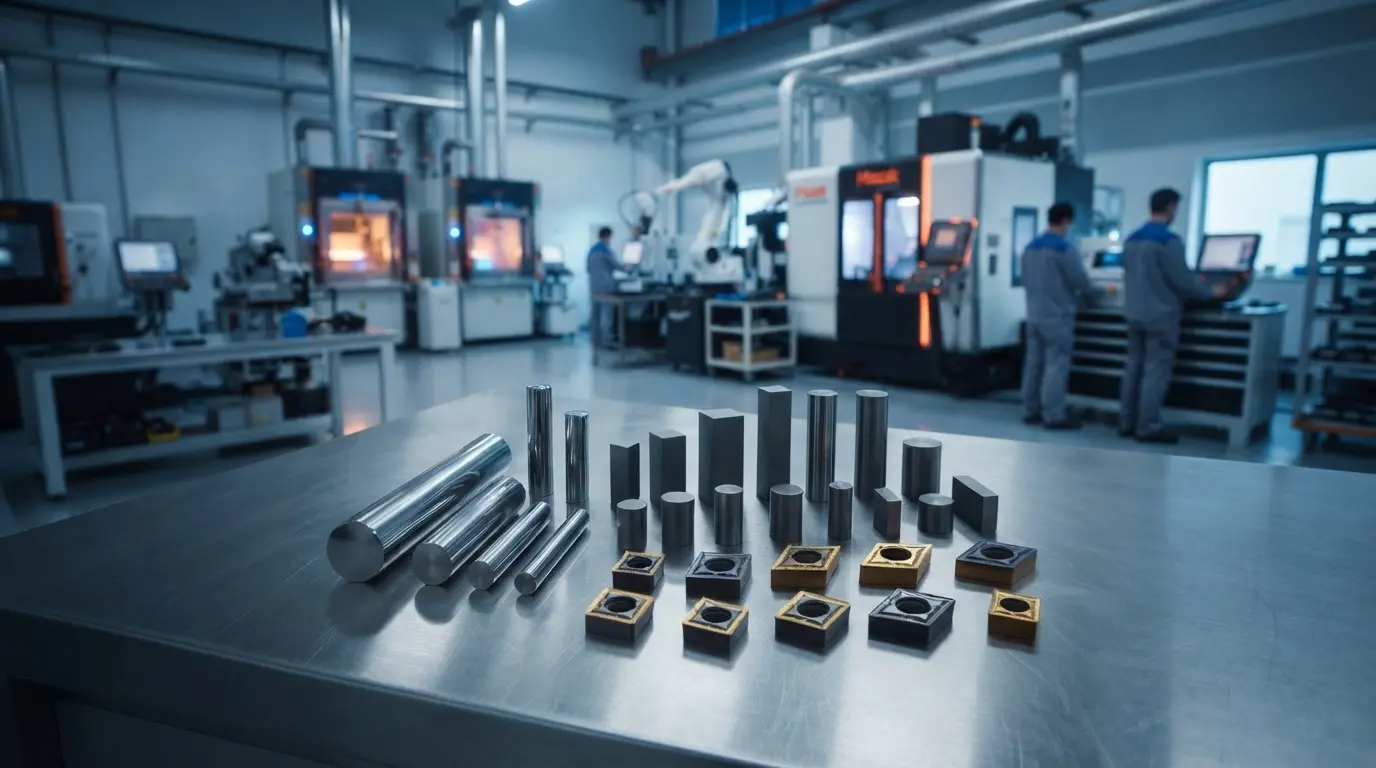
Whether you need unmounted sintered nib blanks (Type W, Type S, or ISO standards) for in-house toolroom grinding, or fully finished, mirror-polished cased dies ready for production, HAO Carbide delivers factory consistency:
100% Virgin Sub-Micron Powder: Formulated with virgin APT and pure cobalt for consistent density without internal pores.
Overpressure Sinter-HIP Processing: 100-bar liquid-phase Hot Isostatic Pressing eliminates micro-voids, delivering maximum transverse rupture strength.
Mirror Polishing Capabilities: Internal bearing zones polished down to, minimizing drawing friction and eliminating wire surface scratching.
Strict Outer Diameter (OD) & Concentricity: Die nibs and steel cases ground to tight tolerances, ensuring concentric wire alignment on high-speed multi-pass drawing capstans.
Upgrade Your Wire Drawing Productivity
Don't let erratic die wear cause diameter variations, frequent machine stoppages, or broken wires. Partner with a dedicated Zhuzhou manufacturer with decades of metallurgical expertise.
Looking for Standard or Custom Drawing Dies?
Browse our standard nib dimensions: Visit www.hao-carbides.com
Request a Custom Drawing Quote: Send your wire specifications (material grade, reduction ratio %, infeed/outfeed diameter) to our engineering team at sales@hao-carbides.com for a technical recommendation and quote within 24 hours.