What the EU’s 2026 Critical Raw Materials Projects Mean for Tungsten Carbide Buyers
Writer: admin Time:2026-11-17 10:00:00
What the EU’s 2026 Critical Raw Materials Projects Mean for Tungsten Carbide Buyers
For industrial buyers, the most useful way to read the EU’s 2026 critical raw materials project announcement is not as a short-term tungsten price forecast. It is a reminder to examine the full tungsten carbide supply chain: raw-material exposure, processing capability, recycling questions, documentation, product specifications and supplier communication.
On 8 October 2026, the European Commission announced 46 new Strategic Projects across 16 EU Member States. The announcement says that the projects cover extraction, processing, recycling and integrated activities. Three of the projects concern tungsten, and the Commission connects the wider program with supply chains including defence and aerospace. For a tungsten carbide buyer, this development provides a timely reason to review how a supplier supports technical clarity and supply-chain risk management.
The policy itself does not prove that a particular carbide product will become more expensive or unavailable. Instead, it gives buyers a structured topic for better sourcing decisions.
What Has Changed in the Critical Raw Materials Conversation?
The European Commission’s announcement places critical raw materials in a broader supply-chain context. The selected projects are not limited to mining. They include activities that can influence how materials are processed, recovered and integrated into industrial value chains. The announcement also sets 2030 capacity objectives for the EU: domestic extraction should meet at least 10% of annual consumption, processing 40%, and recycling 25%.
These objectives are policy targets, not a guarantee of immediate supply for every carbide buyer. They also do not replace the buyer’s normal technical assessment. However, they show why industrial procurement teams increasingly need to look beyond a unit price or a product photograph. A supplier evaluation may need to address material information, production consistency, inspection records, documentation and communication about non-standard requirements.
The USGS Mineral Commodity Summaries 2026 is another useful background reference for teams monitoring mineral supply. Its catalog entry states that the publication covers 2021–2025 data and that some 2025 figures are estimates based on surveys, industry sources and expert research. Buyers should therefore distinguish between a published market reference, an estimate and a supplier-specific statement. Each serves a different decision-making purpose.
Why Tungsten Supply Matters to Carbide Purchasing
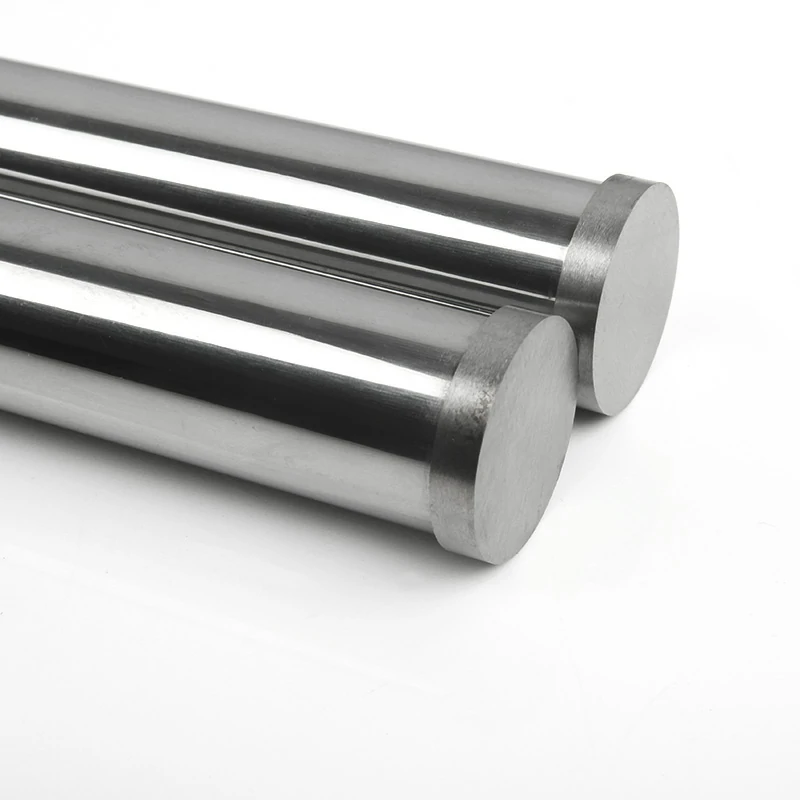
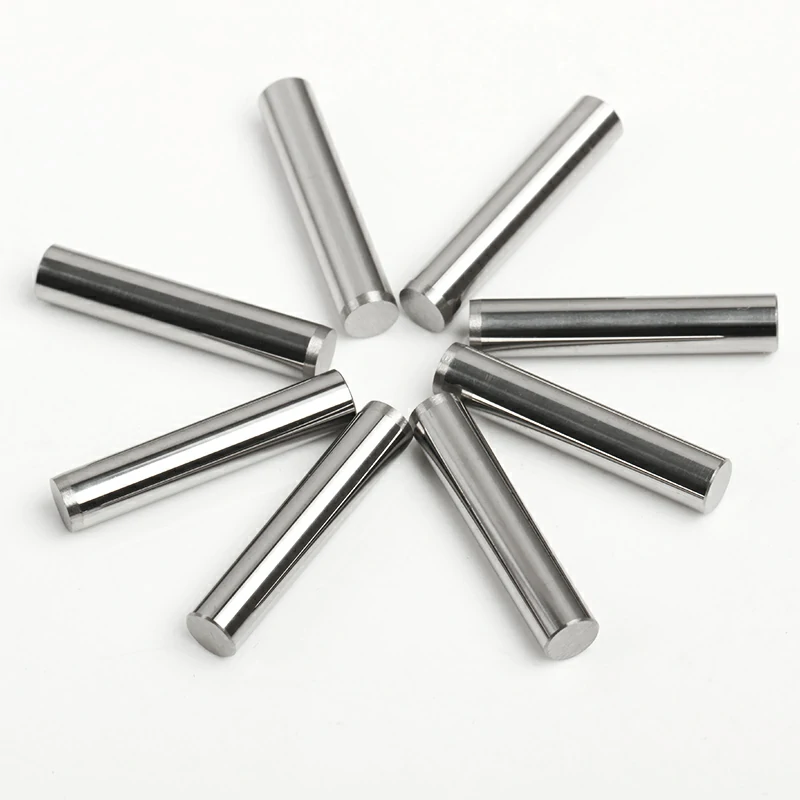
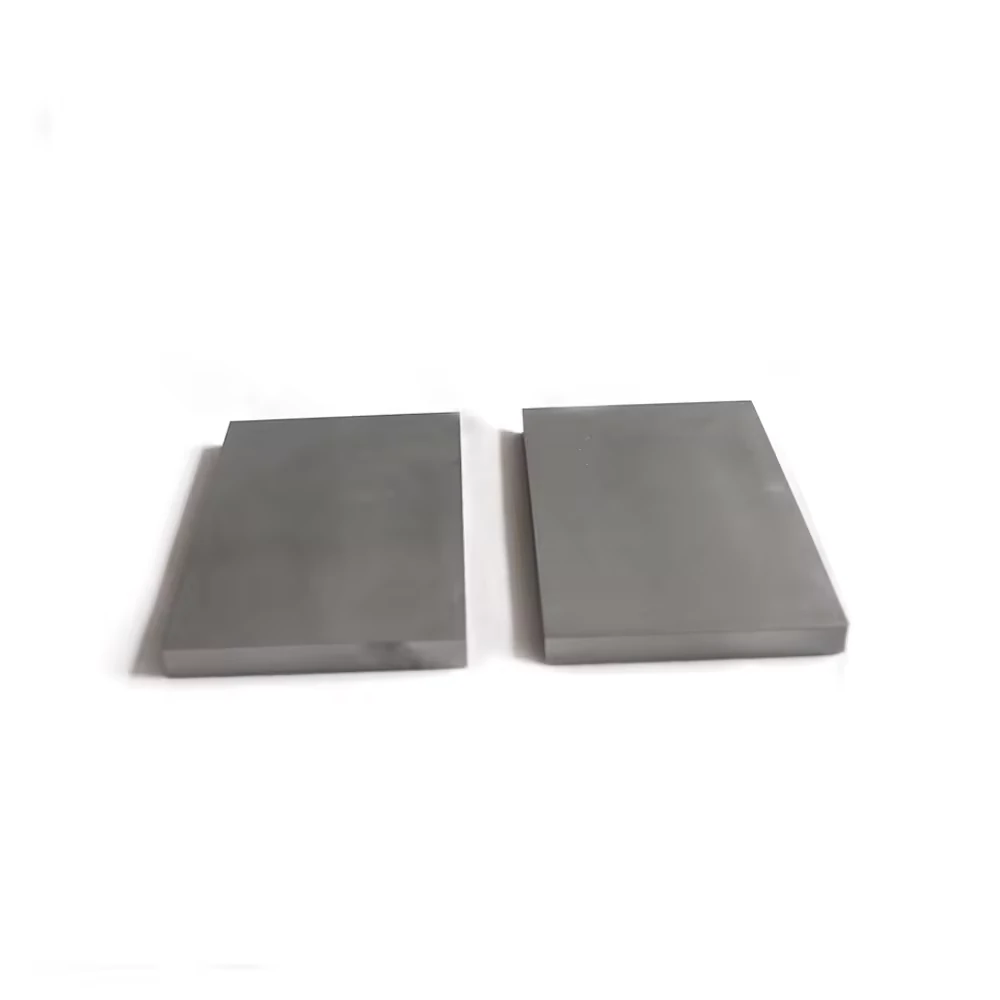
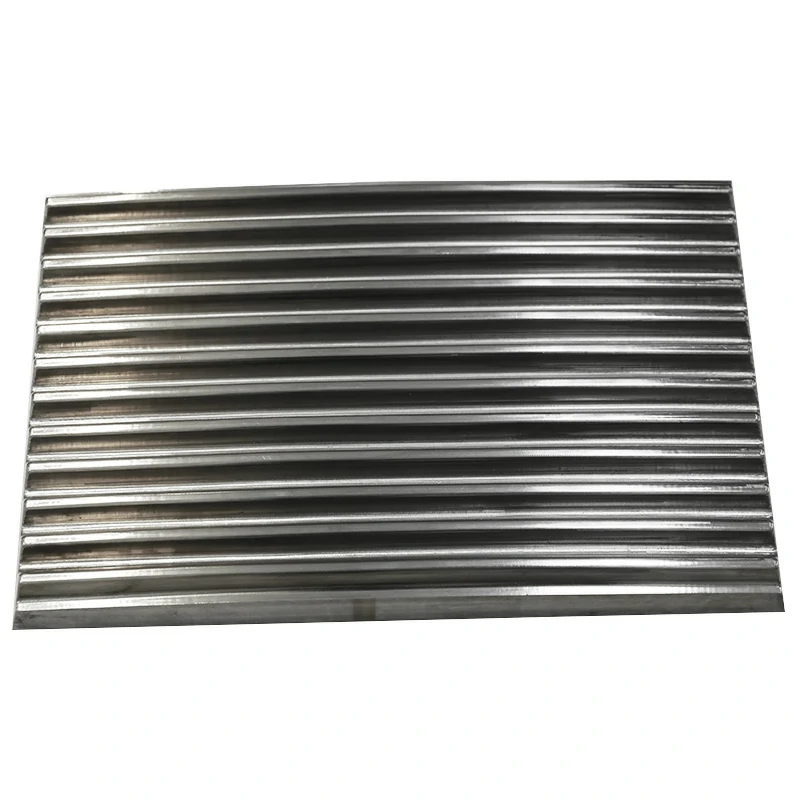
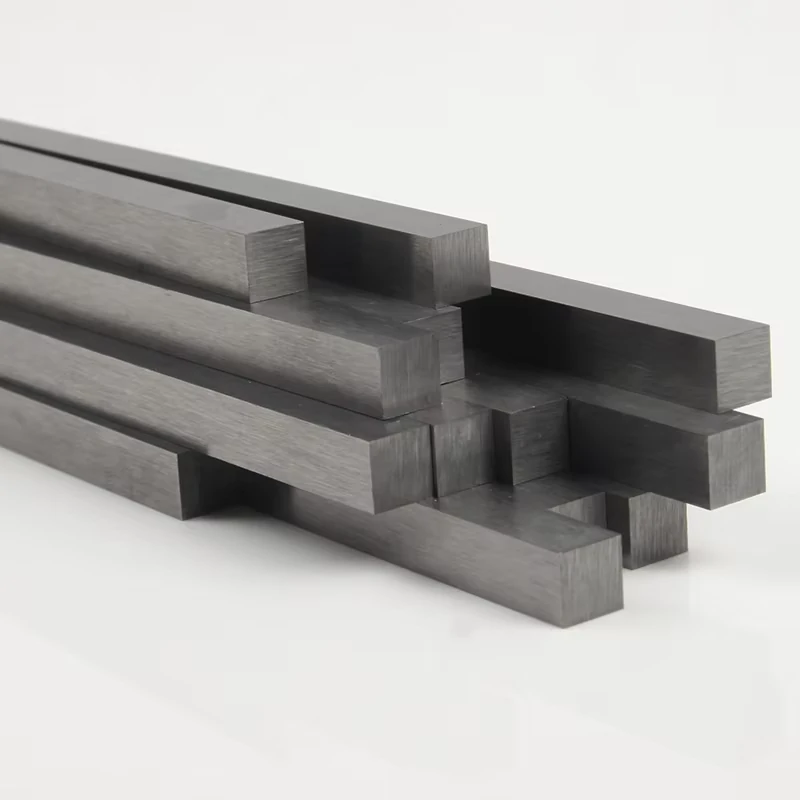
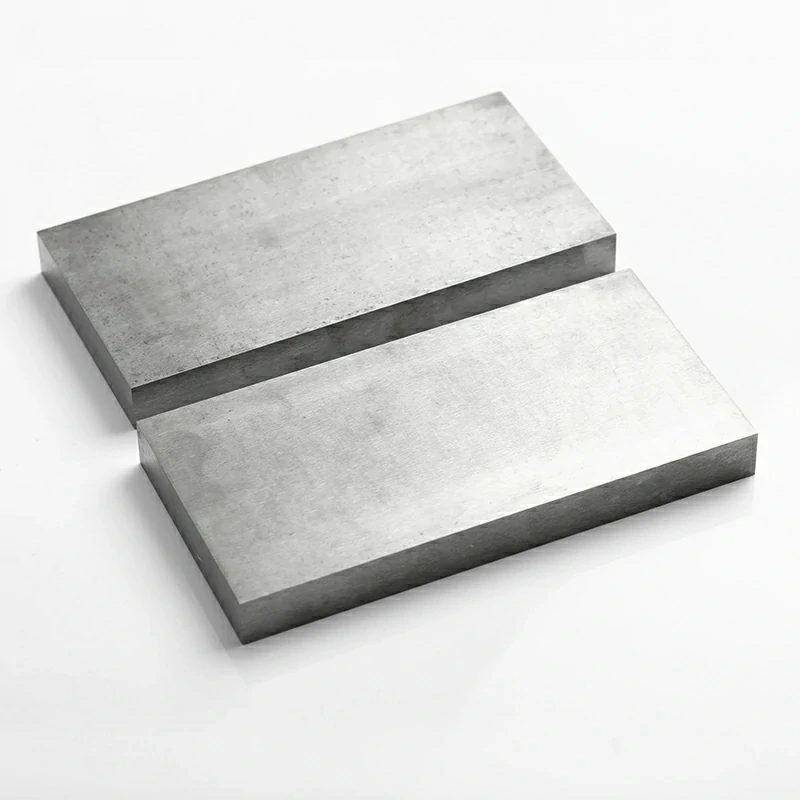
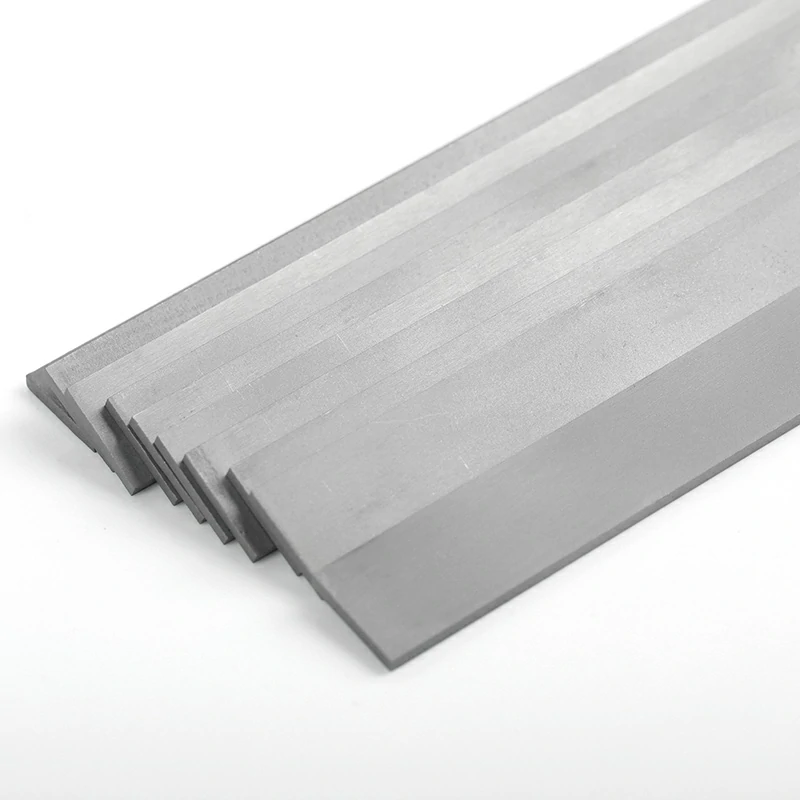
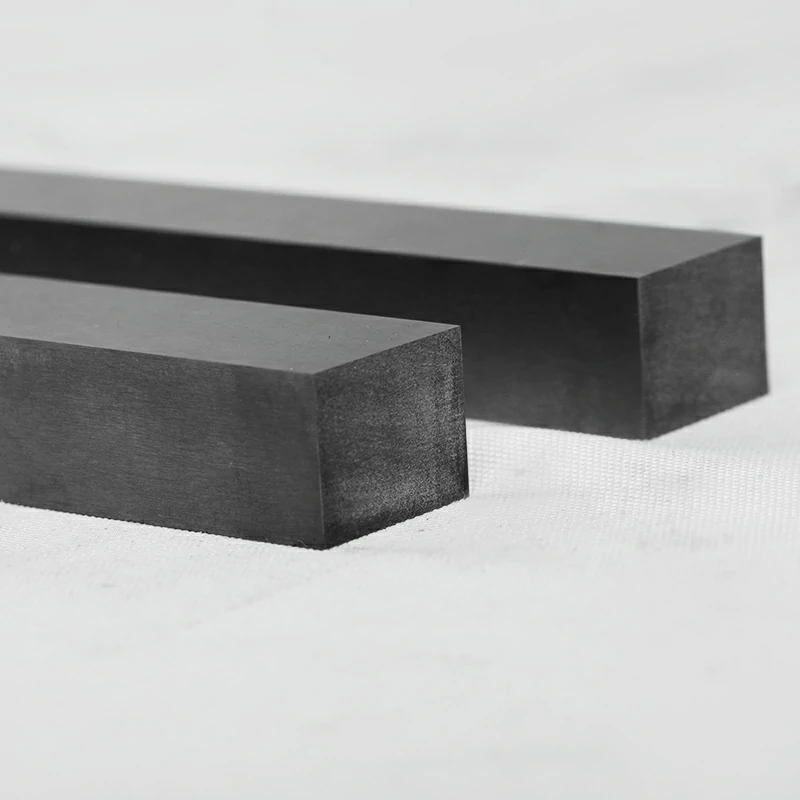
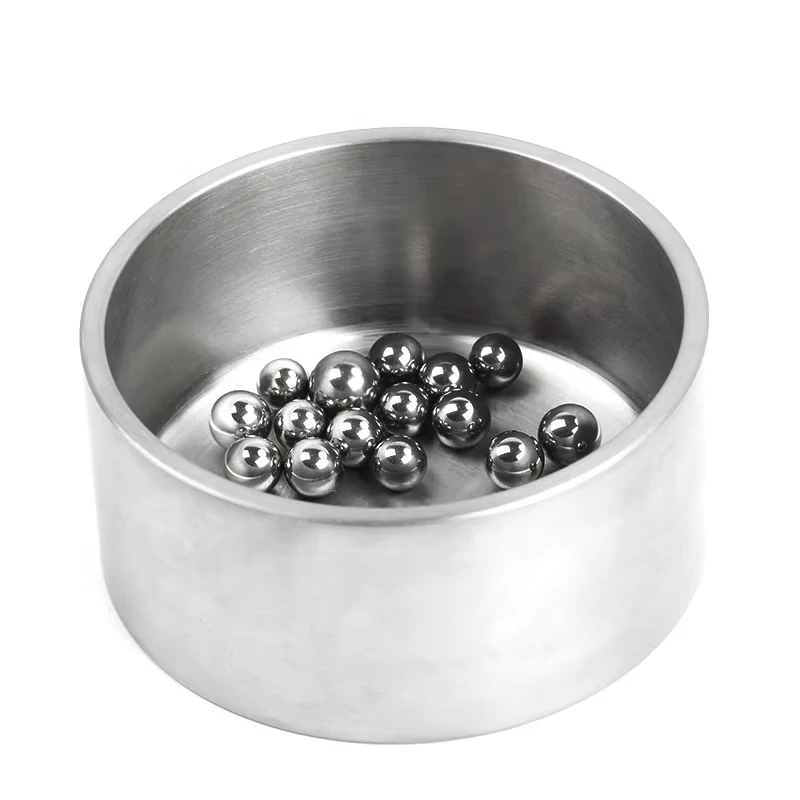
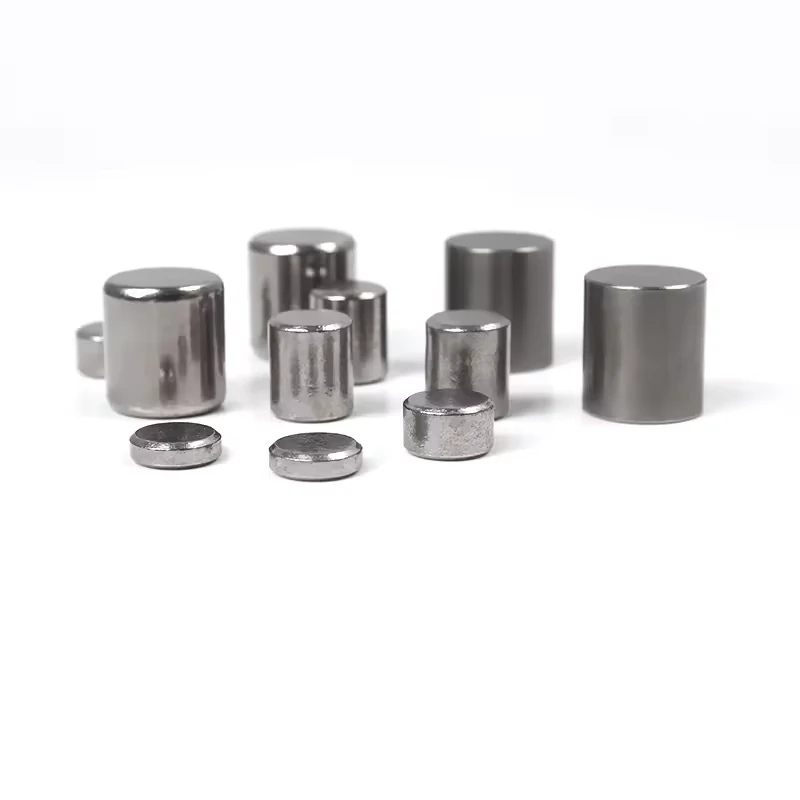
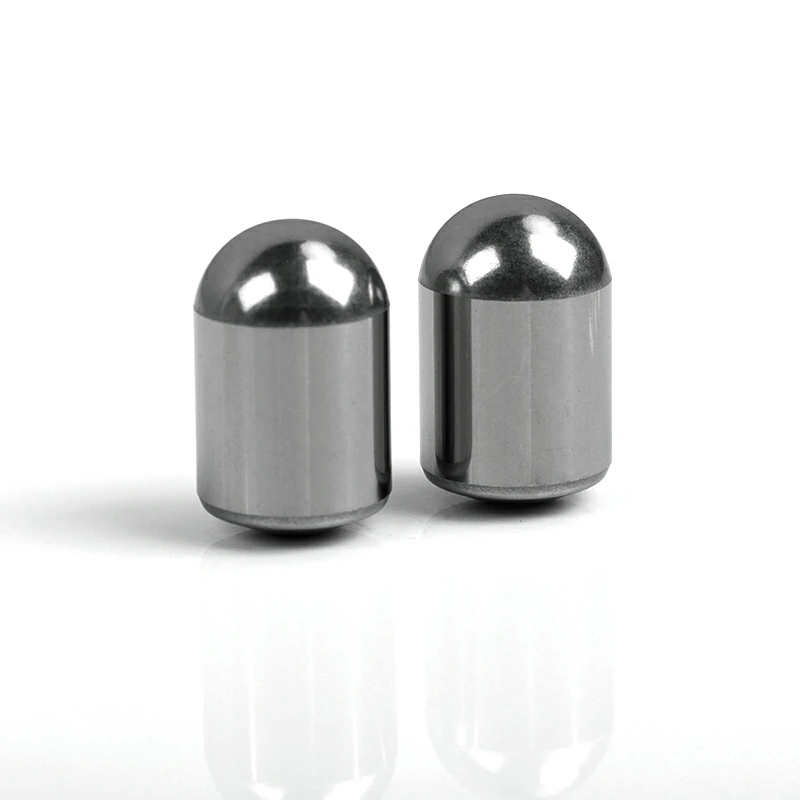
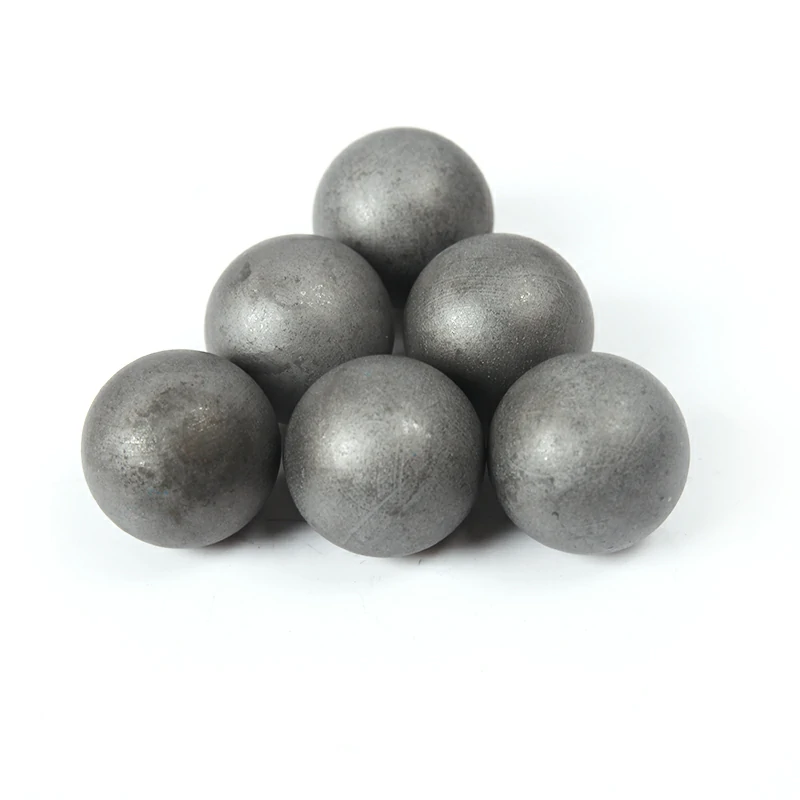
Tungsten carbide products are purchased for demanding industrial tasks in which the material specification and part geometry both matter. Depending on the application, buyers may source rods, plates, balls, buttons, strips or non-standard carbide parts. These products can serve different engineering purposes, so the correct purchasing conversation starts with the use case rather than with a generic request for “hard carbide.”
Supply-chain resilience is relevant because a delay or specification mismatch can create costs beyond the material invoice. A part may need to fit a tool assembly, wear system, die, mining component or production line. If the drawing, grade information, dimensions or inspection expectations are unclear, a buyer may receive a quotation that cannot be compared fairly with other offers.
The practical response is to convert supply-chain concerns into written purchasing requirements. Ask which information is available for the requested product, which details must be confirmed from the drawing or sample, and which inspection documents can accompany the shipment. Do not assume that a general raw-material discussion automatically answers a specific product question.
For procurement teams, this is also why supplier evaluation should be separated into two layers:
Material and technical fit: Is the proposed product suitable for the stated application and specification?
Supply and documentation fit: Can the supplier communicate requirements, inspection expectations and order details clearly enough for repeat purchasing?
What the Policy Development Does—and Does Not—Tell Buyers
The announcement is relevant to strategic supply discussions, but it does not provide a product-level purchasing forecast. It does not tell a buyer which grade to choose, what hardness a particular part will have, what a supplier’s lead time will be, or whether a certain product will meet a particular operating life. Those questions require product data, drawings, application conditions and supplier confirmation.
It is also important not to equate recycling projects with a verified recycled-content claim for a specific carbide product. If recycled tungsten or carbide scrap management matters to your procurement policy, ask for the supplier’s actual scope, terminology, documentation and traceability process. Avoid treating a general sustainability statement as proof of a specific material origin.
A careful buyer can use the policy development in three ways:
Risk review: Identify where raw materials, processing, recovery and documentation may affect the purchasing process.
RFQ improvement: Add the technical and commercial questions needed to compare suppliers consistently.
Supplier dialogue: Ask suppliers to distinguish confirmed product facts from items that require drawing review or order-by-order confirmation.
This approach is more useful than making an unsupported prediction about prices or availability.
A Practical Tungsten Carbide Supplier Evaluation Checklist
Confirm the technical specification
Start with the product form and application. State whether you need rods, plates, balls, buttons, strips or a non-standard part. Add the drawing or sample reference when available. Then clarify dimensions, tolerances, surface requirements, edge conditions, hole features, geometry and any assembly constraints.
For material information, request the proposed grade or grade-selection basis, tungsten carbide composition information where applicable, binder information where applicable, and any relevant microstructural or performance documentation that the supplier can legitimately provide for the requested product. Do not specify a grade solely because it is common in another application. Impact, abrasion, corrosion, temperature, cutting conditions and support structure can change the selection logic.
Ask for quality and traceability information
Ask which inspection points are relevant to the part and which records can be supplied. Depending on the order, this may include dimensional inspection, visual inspection, material identification or other agreed checks. The exact documents should be confirmed before ordering rather than assumed.
For repeat orders, discuss how drawings, samples, revisions and batches will be referenced. A clear revision process reduces the risk that a supplier quotes an outdated drawing. If your organization has special packaging, labeling, inspection or documentation requirements, include them in the RFQ so that the quotation reflects the actual scope.
The objective is not to request every possible document from every supplier. It is to define the evidence needed for the risk level of the application and to ensure that all shortlisted suppliers respond to the same requirements.
How to Prepare a Better Tungsten Carbide RFQ
A complete RFQ helps a supplier evaluate the request and helps your team compare responses. Include the following information whenever it is available:
Product form, part name and intended application
Drawing, 3D file or representative sample information
Required dimensions, tolerances and surface requirements
Operating conditions, including wear, impact, cutting or load conditions where relevant
Requested material or grade, or a request for grade-selection feedback
Expected quantity, forecast or trial-order scope
Inspection, documentation, packaging and labeling requirements
Destination market and any delivery or compliance requirements that your purchasing team has already defined
Questions about customization, drawing review and sample approval
If some information is not yet available, say so directly. A professional RFQ can ask the supplier to identify the missing technical inputs rather than forcing a premature specification. This is especially useful for non-standard carbide products, where a drawing or sample may be more informative than a generic product name.
For a supply-chain review, add questions about how the supplier handles specification changes, inspection communication and repeat-order references. These questions do not guarantee a result, but they make the purchasing process more transparent and reduce avoidable ambiguity.
Where HAO CARBIDE Fits into the Buyer’s Evaluation Process
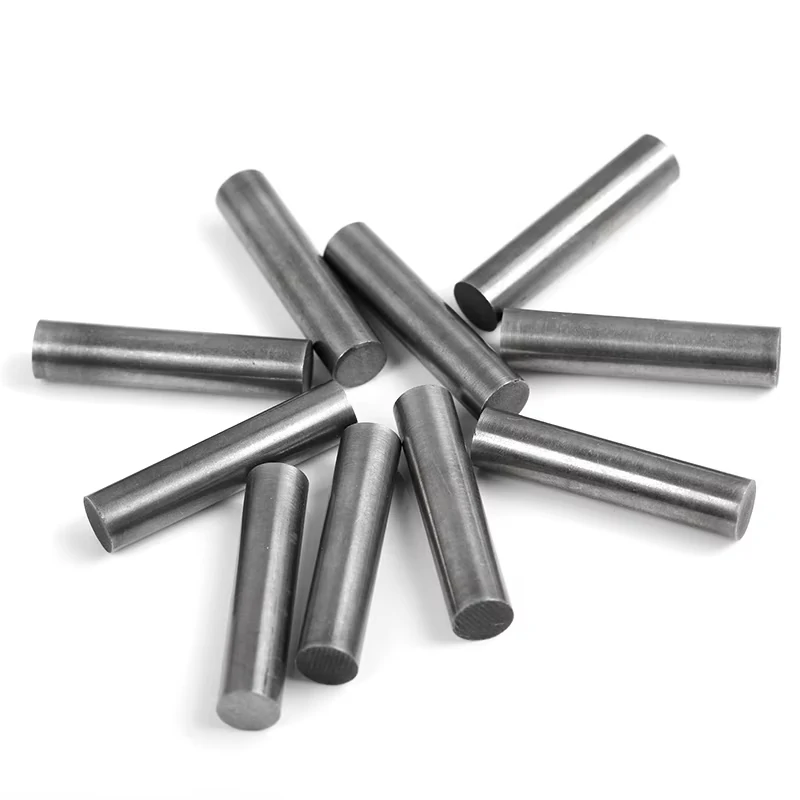
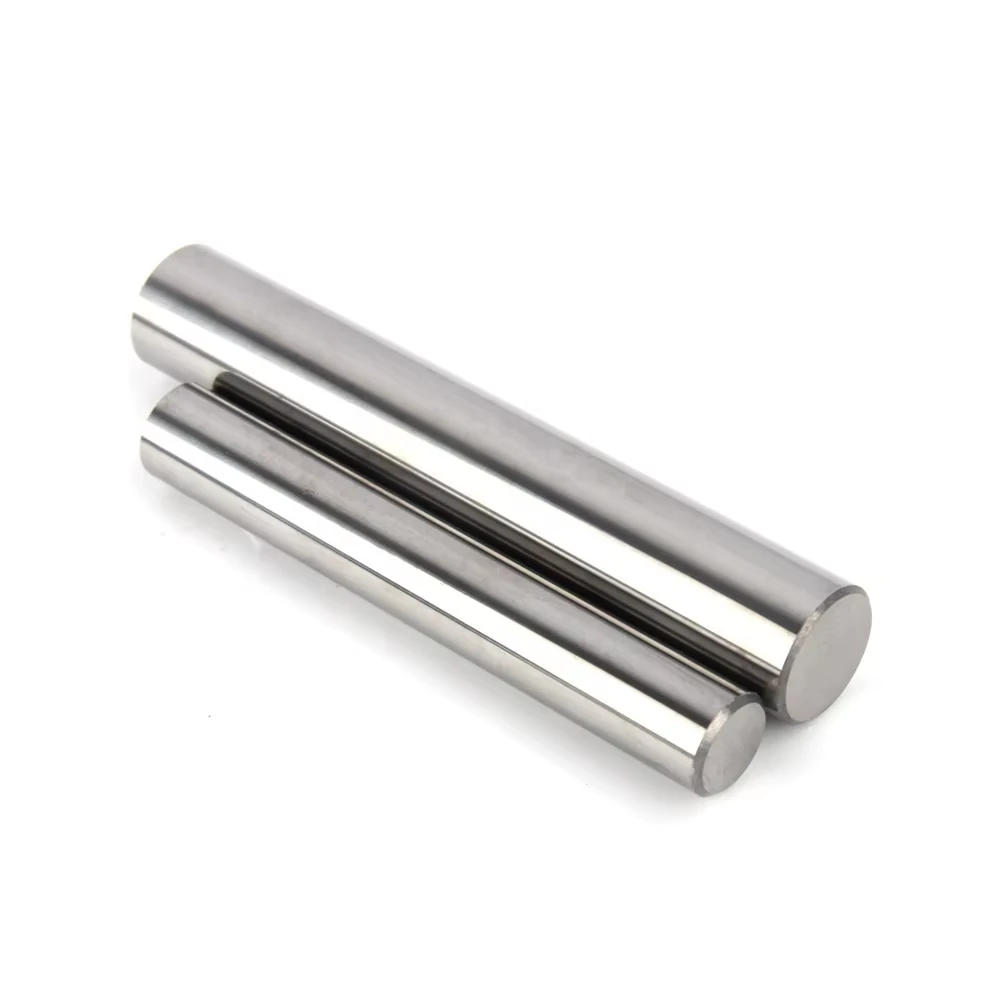
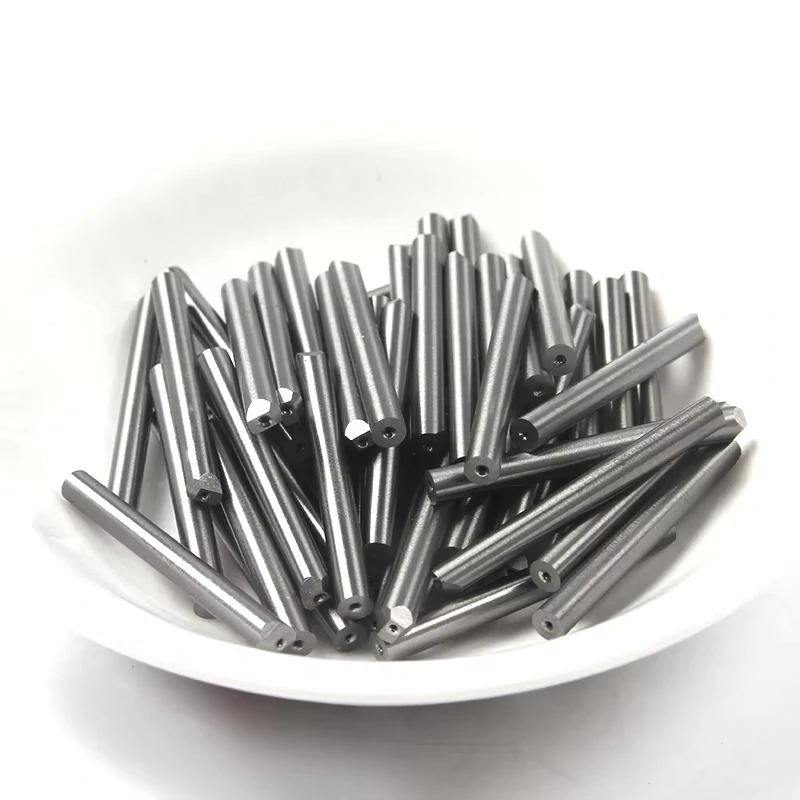
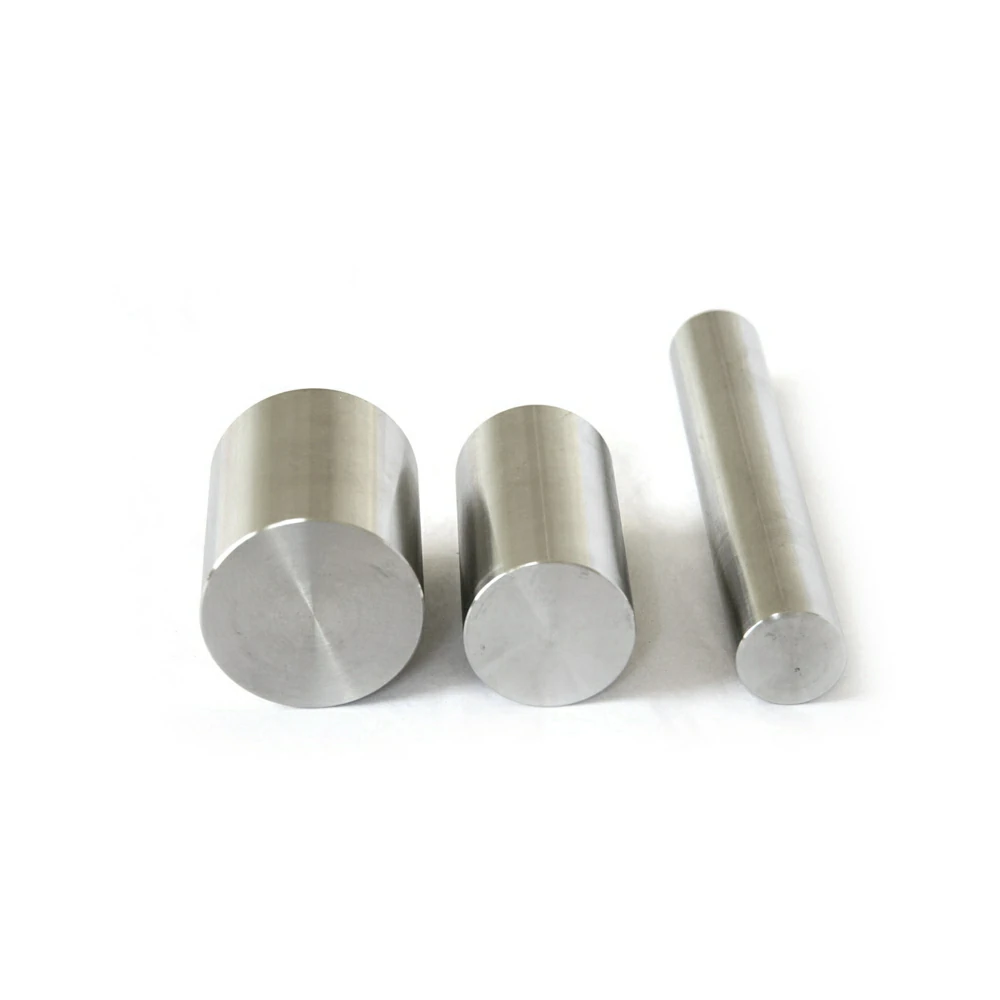
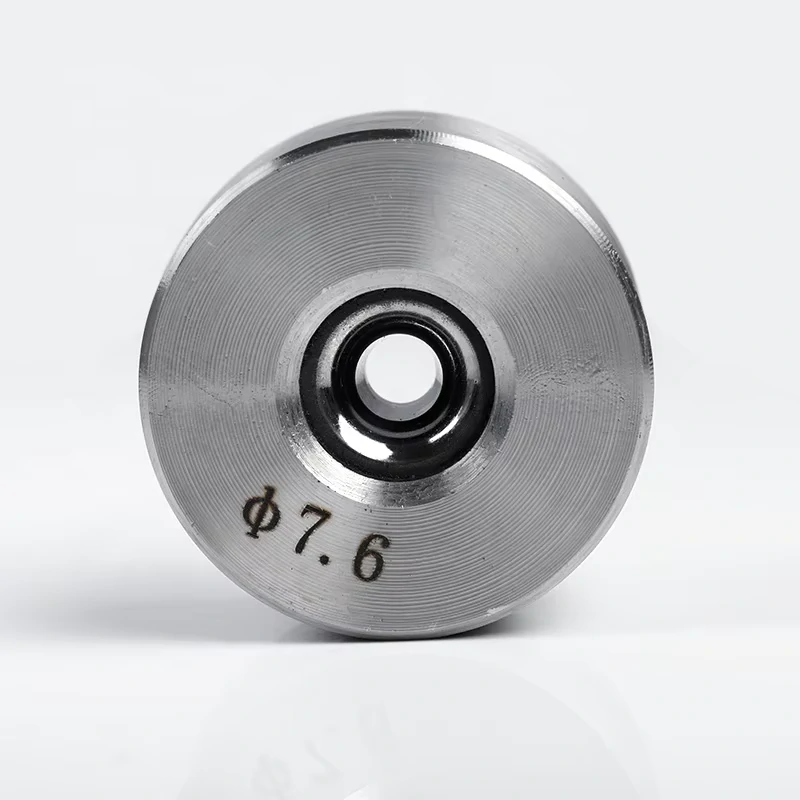
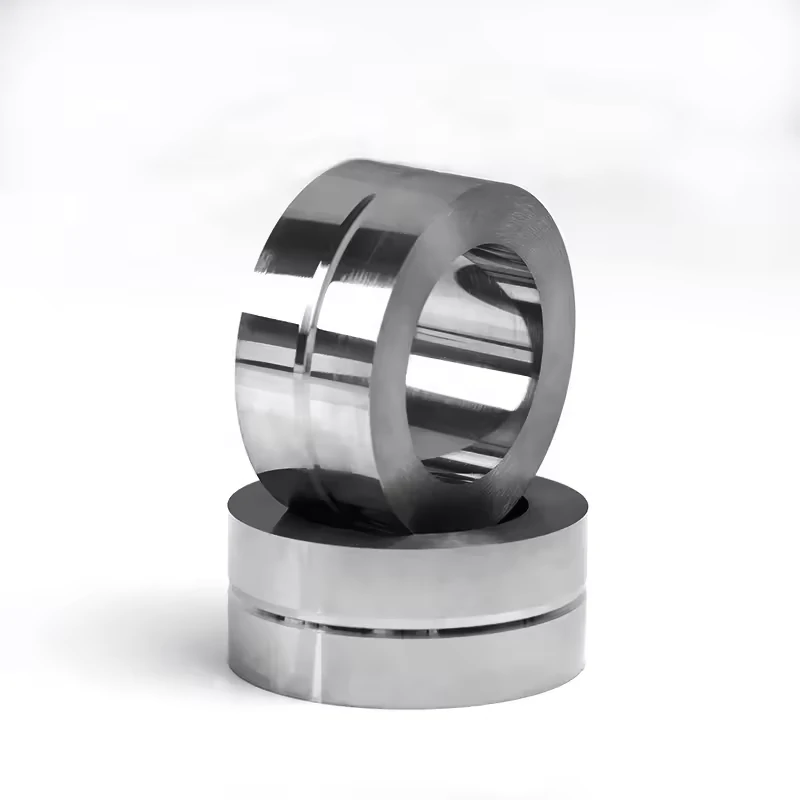
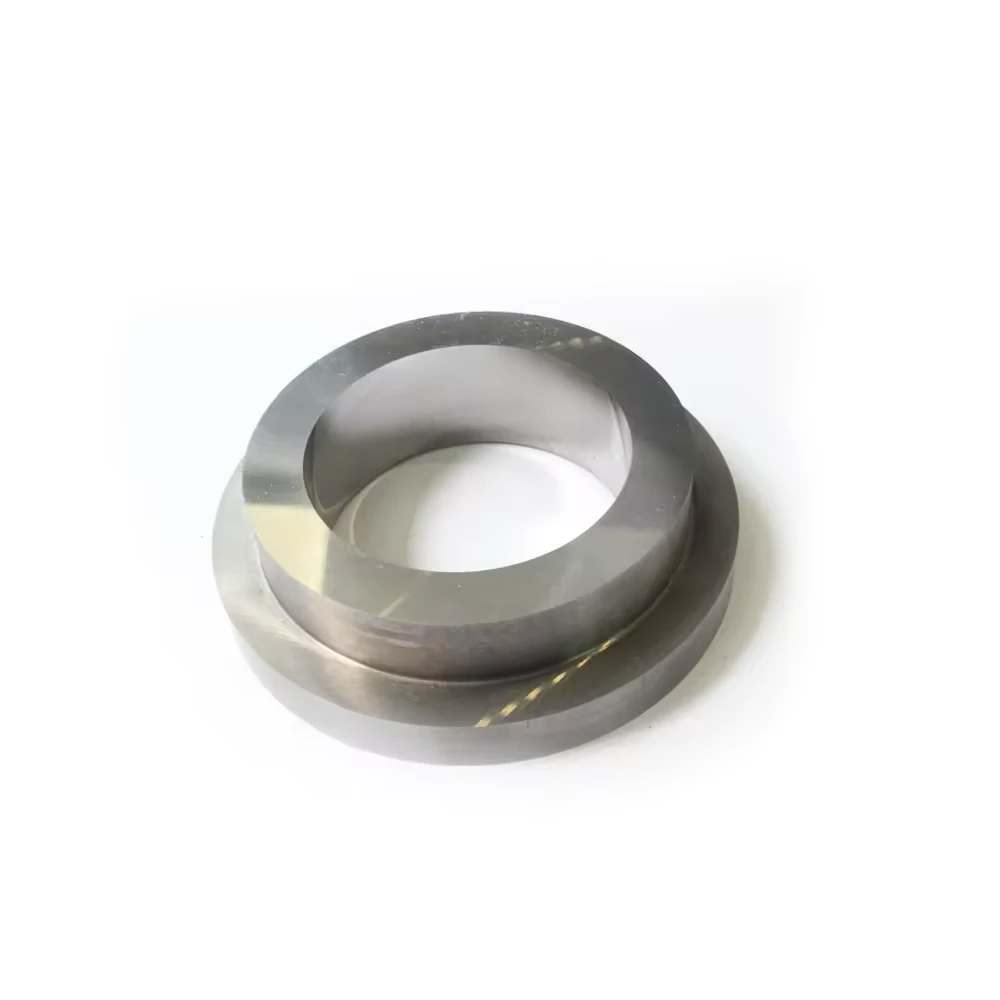
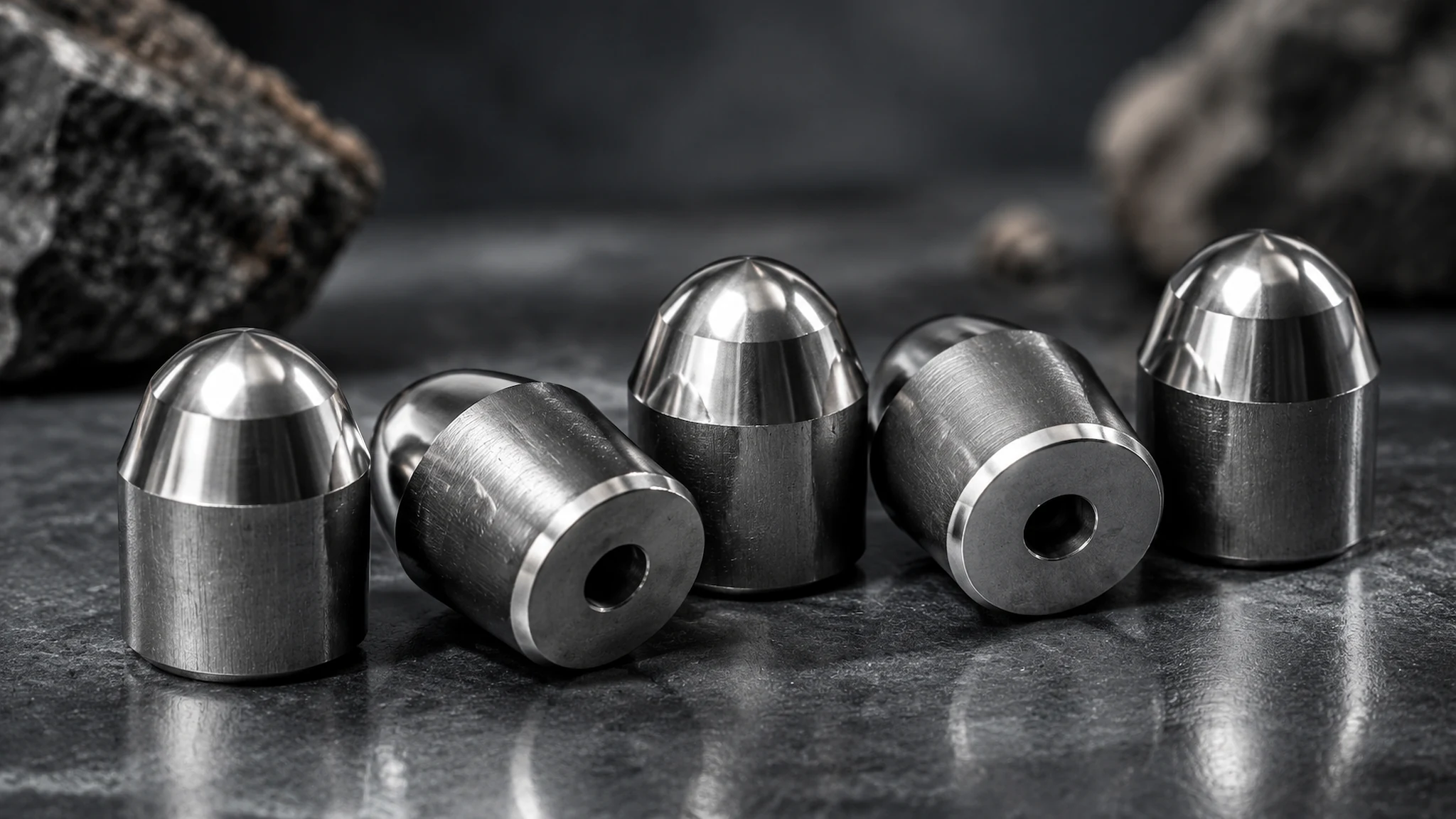
HAO CARBIDE’s publicly listed product scope includes tungsten carbide rods, plates, balls, buttons, strips and non-standard products. The company website also presents application directions including electronics, petroleum, medical, chemical, mining, oil and gas, aerospace, automotive, construction, and food and beverage processing.
For buyers evaluating a product request, this public product range provides a starting point for a focused technical conversation. The next step should be to submit the product form, drawing or sample information, dimensions, application conditions and expected quantity. HAO CARBIDE can then review the request and clarify which details need confirmation before a quotation or product recommendation is prepared.
Buyers should use the same evaluation discipline with HAO CARBIDE that they use with any industrial supplier: define the requirement, ask for the relevant product information, confirm inspection expectations and keep the final specification aligned with the approved drawing or sample. HAO CARBIDE should not be selected on a general raw-material headline alone; the product must be evaluated against the actual application and purchasing requirements.
Learn more about the HAO CARBIDE product range and use the link for the relevant rods, plates, balls, buttons, strips or non-standard product page when the final website URL is confirmed.
FAQ for Tungsten Carbide Buyers
Does the EU announcement mean tungsten carbide prices will definitely rise?
No. The announcement describes strategic raw-material projects and policy objectives. It does not provide a product-level price forecast for tungsten carbide. Buyers should monitor their own purchasing conditions and request current quotations based on a defined specification.
What should I ask a tungsten carbide supplier first?
Start with product form, application, dimensions, tolerances, material or grade requirements, quantity, inspection expectations and delivery destination. If you have a drawing or sample, include it so the supplier can identify missing technical information.
How can I compare tungsten carbide supplier quotations fairly?
Send the same drawing, specification, quantity and documentation requirements to each shortlisted supplier. Compare technical compliance, clarification quality, inspection scope and commercial terms together rather than comparing unit price alone.
Is recycled tungsten carbide automatically suitable for my application?
No. A general recycling statement does not confirm the suitability or traceability of a specific product. Ask the supplier to explain the relevant terminology, documentation and product-specific quality controls before treating recycled content as a purchasing criterion.
What information is needed for a custom carbide part?
A drawing, sample or clear dimensional description is the best starting point. Add tolerances, surface requirements, operating conditions, quantity, inspection needs and any assembly constraints. The supplier can then identify which material and manufacturing details require confirmation.
Can HAO CARBIDE help with non-standard carbide products?
HAO CARBIDE publicly lists non-standard products and customized options on its website. Buyers should submit the drawing or sample details and application requirements so the request can be reviewed against the actual product scope. Specific grades, tolerances and delivery information must be confirmed for each project.
Conclusion: Turn Supply-Chain News into Better Procurement Questions
The EU’s 2026 critical raw materials projects are a useful prompt for industrial buyers to review tungsten carbide sourcing with a wider lens. The most practical response is not an unsupported price prediction. It is a better RFQ, clearer technical documentation, a consistent supplier comparison process and a direct conversation about product-specific evidence.
If you are sourcing tungsten carbide rods, plates, balls, buttons, strips or non-standard parts, send HAO CARBIDE your drawing or sample information, required dimensions, application conditions and estimated quantity. Contact HAO CARBIDE through the [Insert contact page URL] page to discuss the next technical and quotation steps.
Sources
European Commission, “Commission selects 46 new Strategic Projects to bolster the EU's supply of critical raw materials,” 8 October 2026: official source
USGS National Minerals Information Center, “Mineral Commodity Summaries 2026,” publication date 6 February 2026: catalog entry
HAO CARBIDE official website: https://www.hao-carbides.com/