PCB Lead Cutting Blades for Electronic Component Trimming
Writer: admin Time:2026-11-09 09:53:41
PCB Lead Cutting Blades for Electronic Component Trimming
PCB lead cutting blades are used to trim unwanted wire and component leads after electronic components have been inserted or soldered onto a circuit board. A suitable carbide PCB lead cutting blade can be installed on an automatic lead cutting machine or a hand-push machine, depending on the production process. The correct selection depends on the machine, blade dimensions, lead material, lead thickness, and the required cutting result.
For purchasing teams, the blade name alone is not enough to confirm compatibility. A practical inquiry should include the current blade diameter, bore, thickness, machine type, and the type of electronic leads being cut. HAO CARBIDE can review drawings, samples, or existing blade information so that buyers can discuss a suitable configuration instead of ordering only by a general product name.
What Is a PCB Lead Cutting Blade?
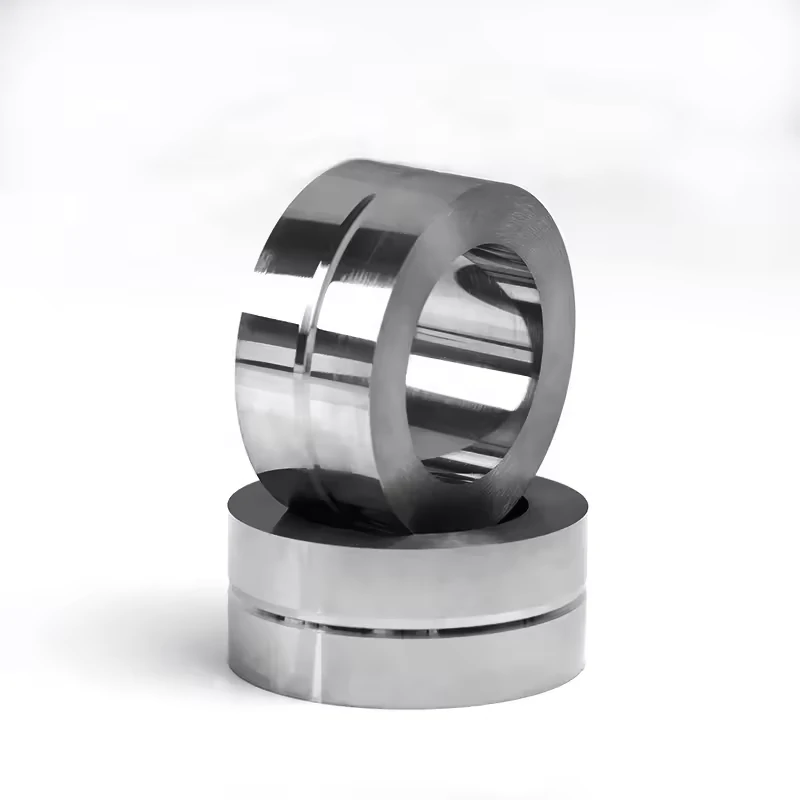
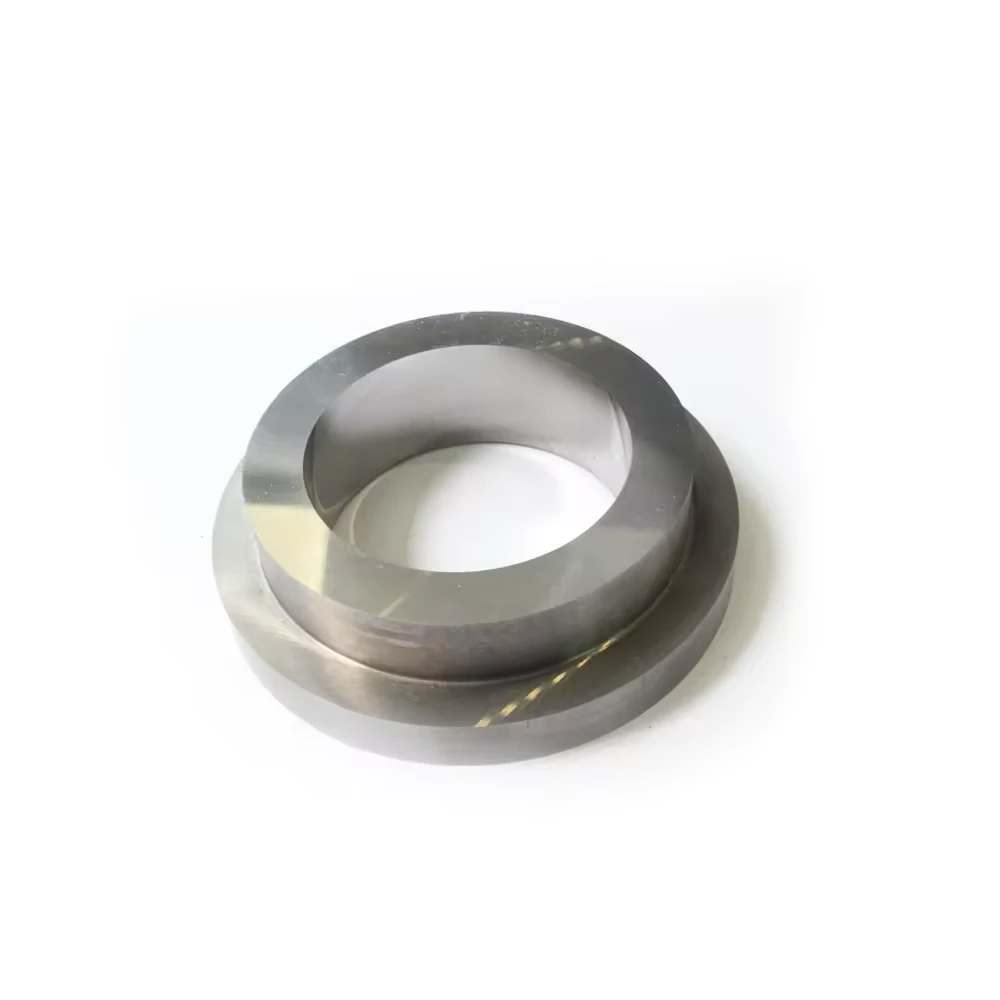
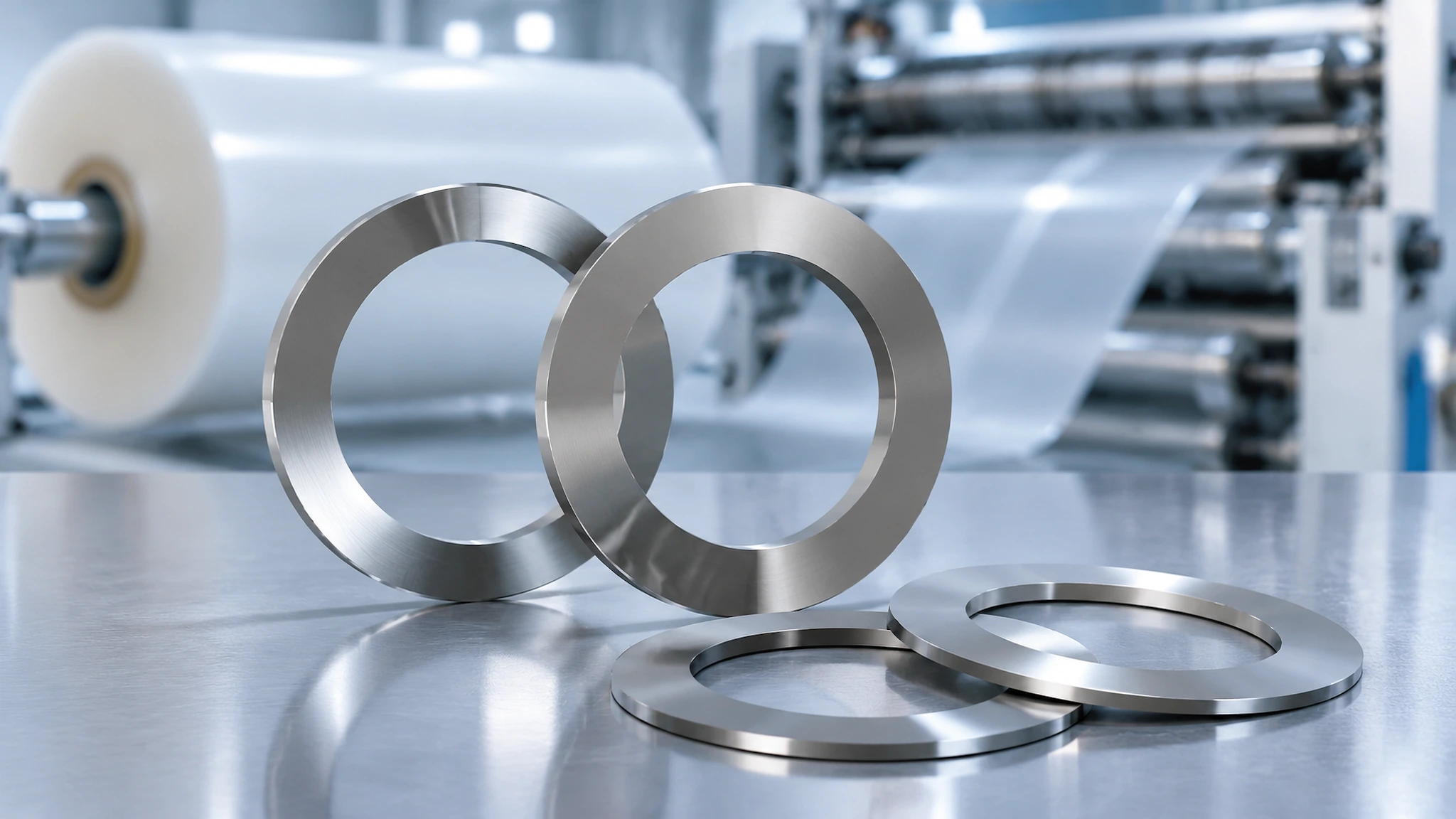
A PCB lead cutting blade is a circular carbide blade designed for cutting the protruding leads of components on electronic circuit boards. Typical applications include trimming component pins, plugin leads, solder legs, and LED leads. The blade is used as part of a lead cutting process in which the finished board or assembled component passes through a cutting station.
The supplied product information identifies two main machine formats: automatic lead cutting machines and hand-push lead cutting machines. Both machine types require a blade that fits the equipment and provides the correct cutting path. A blade that is too large, too thick, or unsuitable for the machine mounting system may create installation or alignment problems, even when its outside diameter appears similar to the original part.
The product is made from cemented carbide, also commonly called tungsten carbide in industrial purchasing communication. For a buyer, the important point is not only the material name. The working result also depends on the blade geometry, edge angle, dimensional accuracy, lead type, machine condition, and operating method. These details should be reviewed together before production or replacement.
Where Are Carbide PCB Lead Cutting Blades Used?
Automatic lead cutting machines
Automatic machines are used when PCB assembly or electronic component production requires a repeatable trimming operation. The blade must match the machine's mounting arrangement and cutting position. Buyers should confirm whether the equipment uses one blade or a matched set, how the board is supported, and whether the blade cuts directly through component leads or works with another guide or counter-surface.
A carbide PCB lead cutting blade is relevant for production environments that regularly process inserted component pins, soldered leads, or LED leads. The exact blade choice should be based on the production line rather than on a generic “universal” description. Machine model, blade drawing, original part number, and photographs of the installed blade can help a supplier assess the request more accurately.
Hand-push lead cutting machines
Hand-push machines are used for manual or semi-manual PCB trimming operations. They still require stable blade dimensions and a suitable cutting edge, even though the feed method is different from an automated system. A replacement blade should match the machine's arbor or mounting dimensions and should be selected according to the lead type being processed.
For a hand-push application, the purchasing inquiry should state the blade diameter, inner bore, thickness, and the board or component lead being cut. If the current blade produces burrs, incomplete cuts, or inconsistent results, buyers should describe the problem and provide a sample or photograph. This information is more useful than simply asking for a lower-cost replacement.
Material and Size Selection
Tungsten carbide cutting material
The source material specifies cemented carbide, or tungsten carbide, as the blade material. Cemented carbide is commonly selected for industrial cutting parts because it combines high hardness with useful wear resistance. However, a material label does not by itself guarantee a result for every application. The correct grade and cutting geometry should be confirmed against the lead material, lead size, machine speed, and expected production conditions.
Some lead cutting blade variants in the source material are described for fine leads, soft leads, copper leads, coarse leads, hard leads, and steel-terminal applications. This distinction matters because lead diameter and material influence the cutting load. A configuration intended for fine copper or soft leads should not automatically be used for coarse or hard terminals without technical review.
HAO CARBIDE should confirm any material grade, hardness, strength, tolerance, or other technical value for the actual order. If a buyer requires a particular grade or inspection document, that requirement should be included in the quotation request rather than assumed from a general product description.
Common 200 mm and 250 mm blade sizes
The supplied information lists two common overall sizes for PCB lead cutting blades:
200 mm outside diameter × 70 mm bore × 3.5 mm thickness, described as an 8-inch small blade.
250 mm outside diameter × 70 mm bore × 3.5 mm thickness, described as a 10-inch large blade.
These dimensions are reference configurations from the product material, not a substitute for checking the buyer's machine. Before ordering, compare them with the original blade, machine manual, drawing, or measured part. Confirm the unit system and measurement method, especially when replacing an imported or worn blade.
Packaging may also matter for B2B buyers. The source material describes aluminum-box packaging and paper-box packaging options. If the order will be stored, exported, or distributed through a maintenance network, the buyer should state packaging, labeling, quantity per box, and shipping protection requirements in advance.
Fine-Lead and Coarse-Lead Applications
PCB lead cutting blades may be selected for different lead conditions. Fine-lead applications can involve small component pins, soft leads, and copper leads. Coarse-lead applications can involve thicker, harder, or steel-terminal leads. The blade edge angle and material selection should be reviewed with the lead type instead of treating every PCB assembly operation as identical.
The source material distinguishes fine-lead and coarse-lead blade variants and gives example edge-angle descriptions for those product groups. Because an edge-angle value must be matched to the actual design and process, buyers should not copy a value from a catalog entry without confirming the blade drawing and machine requirements. For a replacement inquiry, the original blade and the processed lead sample are useful references.
A suitable blade should support the required cut without creating avoidable damage to the board, component, or terminal. Buyers should monitor the cut surface, burrs, remaining lead length, edge chipping, vibration, and the time between blade changes. These observations can help the supplier distinguish a dimensional mismatch from a material or geometry issue.
How to Buy the Correct Replacement Blade
Use the following checklist when requesting a PCB lead cutting blade:
Machine information: State whether the machine is automatic or hand-push, and provide the machine model if available.
Blade dimensions: Confirm outside diameter, bore diameter, thickness, keyway or mounting details, and any drawing reference.
Lead information: Describe the lead material, approximate diameter, whether the leads are fine or coarse, and whether they are soft copper, soldered pins, or harder terminals.
Cutting requirements: State the target remaining lead length, cut quality, production speed, and any problem with the current blade.
Quantity and packaging: Include trial quantity, regular order quantity, packaging requirements, and delivery destination.
Quality documents: Identify any inspection, dimensional, or material documentation required by your purchasing process.
Do not select only by outside diameter. Two blades with the same diameter may have different bores, thicknesses, edge geometries, mounting arrangements, or intended lead applications. A complete technical review reduces the risk of receiving a part that cannot be installed or does not solve the original cutting problem.
B2B Supply Support from HAO CARBIDE
HAO CARBIDE provides carbide product support for overseas B2B buyers evaluating industrial cutting components. For a PCB lead cutting blade inquiry, buyers can share a drawing, sample, current blade photograph, machine information, or a previous purchasing specification. The final dimensions, material details, edge design, packaging, and delivery information should be confirmed for each project before production.
When contacting HAO CARBIDE, include the product application, automatic or hand-push machine type, blade size, lead material, lead diameter, required quantity, and preferred delivery schedule. If the application involves fine leads, copper leads, coarse leads, hard leads, or steel terminals, identify that condition clearly. This allows the quotation discussion to focus on the actual trimming task and the required blade configuration.
FAQ
What are PCB lead cutting blades used for?
They are used to trim electronic component leads, plugin pins, solder legs, and LED leads on automatic or hand-push lead cutting machines.
Are PCB lead cutting blades made from tungsten carbide?
The supplied product information specifies cemented carbide, commonly called tungsten carbide, as the blade material. The actual grade and edge design should be confirmed for each application.
What are common PCB lead cutting blade dimensions?
The source material lists 200 mm × 70 mm × 3.5 mm and 250 mm × 70 mm × 3.5 mm configurations. Buyers should verify the dimensions against their machine and original blade before ordering.
How do I choose a blade for fine or coarse electronic leads?
Provide the lead material, approximate diameter, machine type, current blade specification, and cutting problem. Fine, soft, copper, coarse, hard, and steel-terminal applications may require different configurations.
Can HAO CARBIDE supply a replacement blade according to a drawing?
Send the blade drawing, sample, or complete dimensions for review. The final product configuration and available customization should be confirmed before an order is placed.
What information should I include in a quotation request?
Include the machine model, blade diameter, bore, thickness, mounting details, lead material and size, target quantity, packaging requirements, and delivery destination.
Need a carbide PCB lead cutting blade?
Send your blade drawing, sample, machine information, and lead details to HAO CARBIDE for a B2B product review and quotation.