
Tungsten Carbide Can Seaming Rolls for Precision Can Closing Machines
In can closing and sealing equipment, the first and second operation seaming rolls directly influence seam consistency, machine stability, and long-term production reliability. For beverage cans, filter cans, and other metal packaging applications, tungsten carbide can seaming rolls provide a wear-resistant solution for manufacturers that require stable groove geometry and repeatable sealing performance.
HAO CARBIDE supplies customized carbide seaming rolls according to customer drawings or samples. The product is suitable for can closing machines, can filling and sealing equipment, and related metal packaging production lines where precise profiles, polished grooves, and stable wear resistance are required.
What Are Tungsten Carbide Can Seaming Rolls?
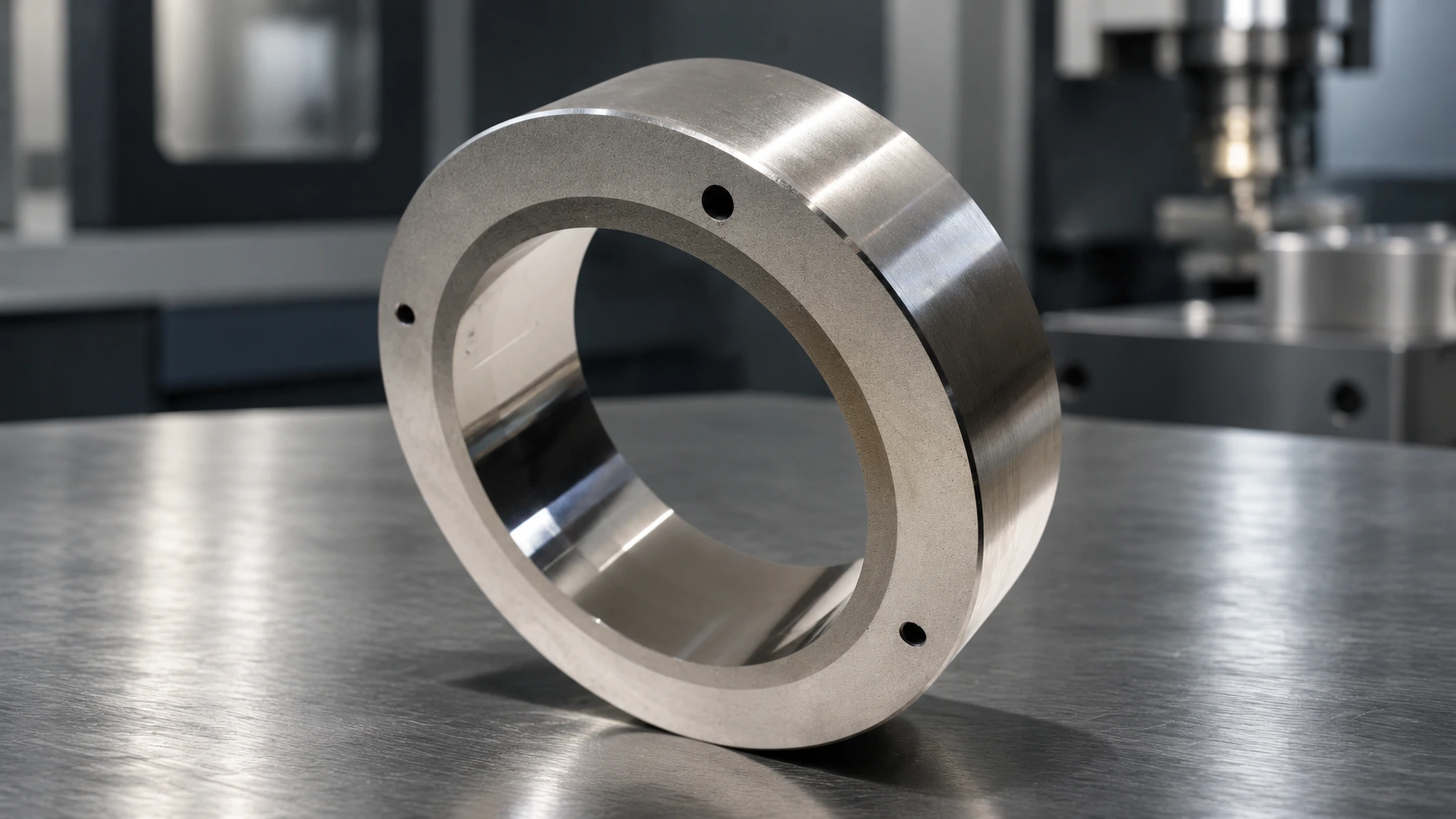
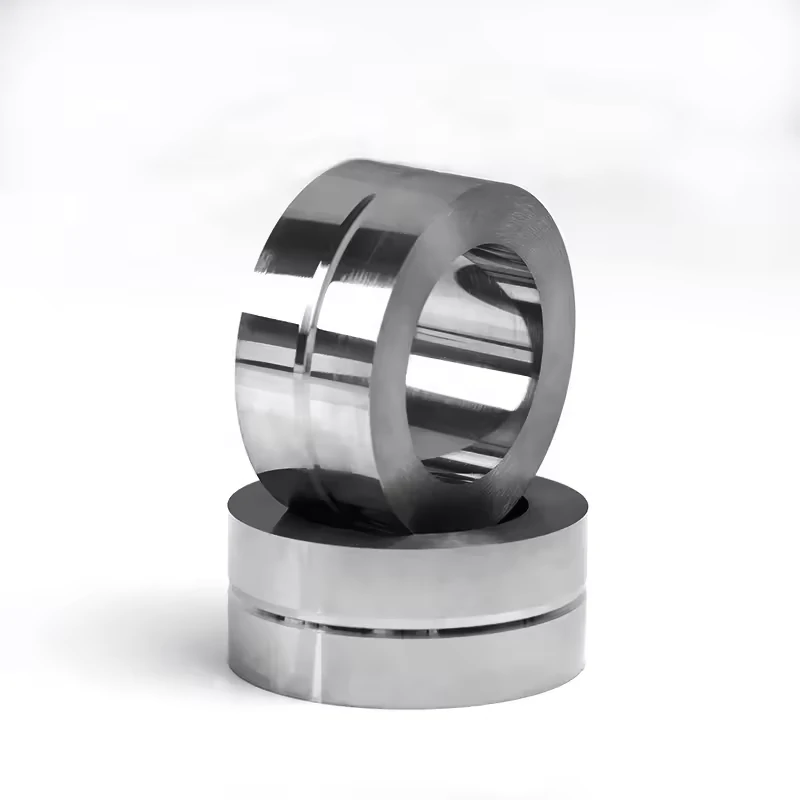
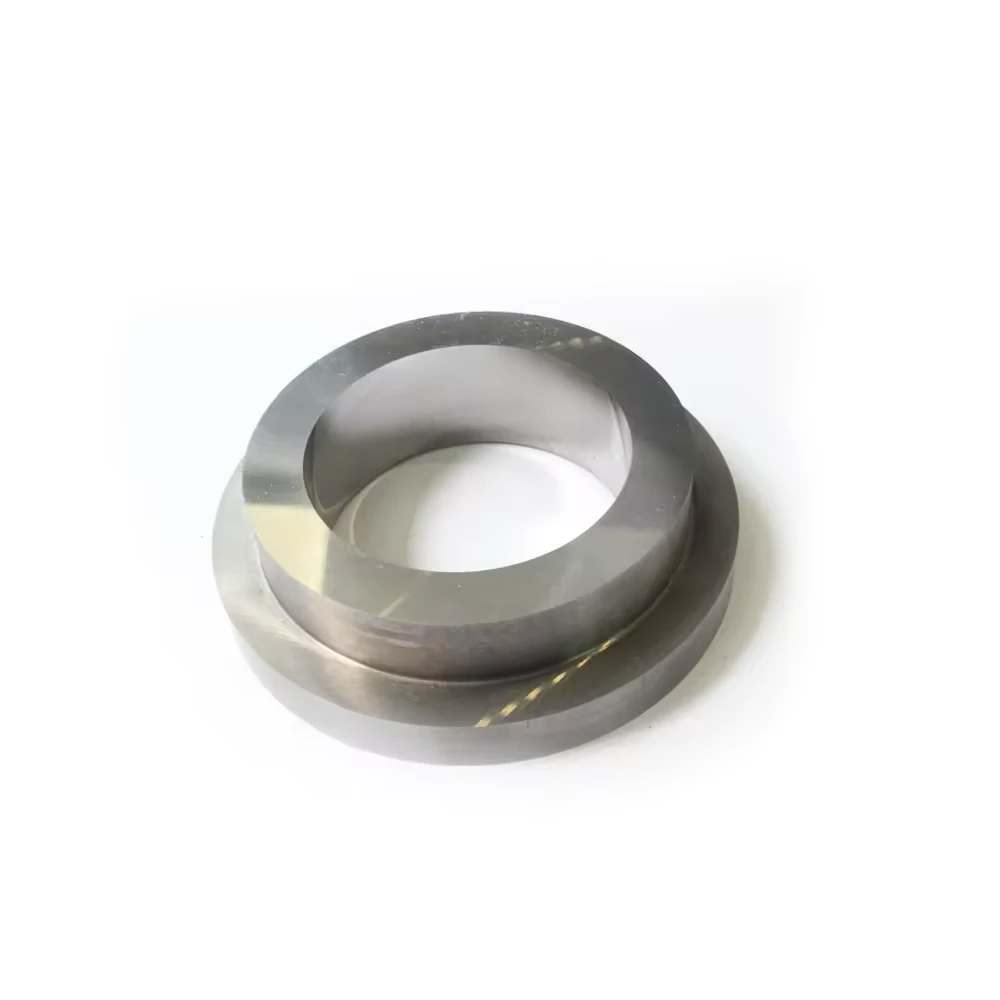
Tungsten carbide can seaming rolls are precision rolling components used in can closing machines. During the sealing process, the rolls form and finish the seam between the can body and the lid. The first operation roll starts the forming process, while the second operation roll tightens and finishes the seam profile.
Because the roll groove contacts metal continuously during high-frequency production, the material must resist wear, deformation, and surface damage. Cemented carbide, also called tungsten carbide or tungsten steel in some markets, is widely selected for this type of precision wear component because of its high hardness, good compressive strength, and stable performance in demanding mechanical contact.
Typical Applications in Can Closing and Sealing Equipment
Carbide seaming rolls can be used in equipment for metal packaging and can closing operations, including:
beverage can filling and sealing machines;
filter can seaming equipment;
automatic can closing machines;
metal packaging production lines;
replacement wear parts for first and second operation seam forming.
In these applications, the roll profile must match the machine, can type, and sealing requirement. A small deviation in groove shape or concentricity may affect seam quality, so buyers should provide accurate drawings, samples, or machine specifications before production.
First Operation and Second Operation Seaming Rolls
A can seam is usually completed in two stages. The first operation seaming roll forms the initial curl and starts the seam structure. The second operation seaming roll compresses and finishes the seam to reach the required tightness and profile.
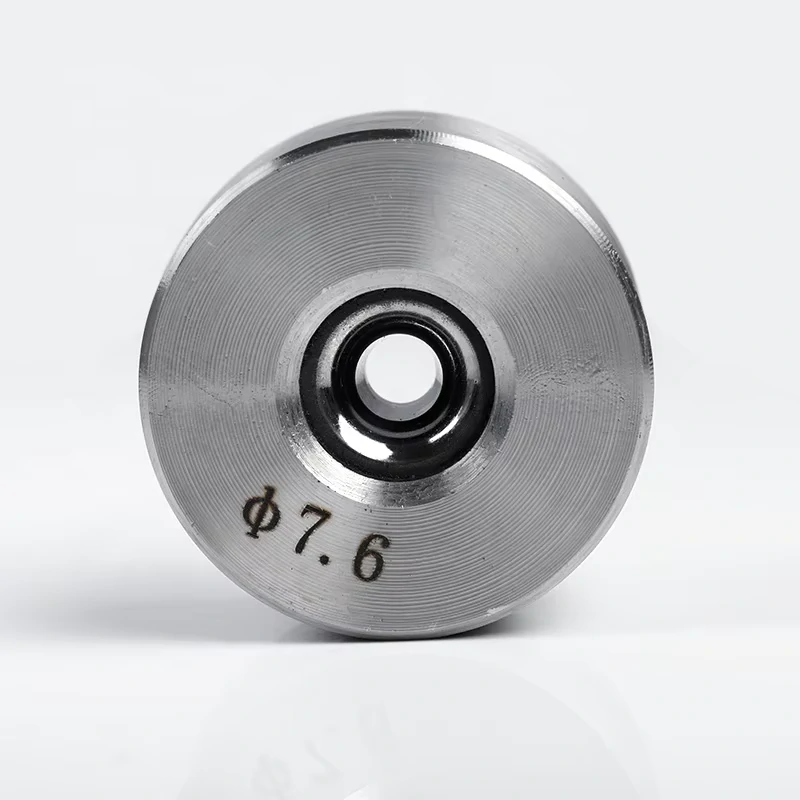
The DOCX source material includes examples of customized carbide rolls used for can sealing equipment. Example first operation and second operation roll structures may include stepped outer diameters, inner bores, and R-groove profiles. For example, the source material lists one first operation roll drawing example as Φ62*Φ58.92*Φ56.23*Φ52.23*Φ30*Φ25*29.58*R1-R3, and one second operation roll example as Φ64.5*Φ60.85*Φ58.43*Φ56.79*Φ30*Φ25*29.68*R1-R5.52.
These dimensions are examples only. The actual carbide roll should always be manufactured according to the buyer's machine drawing or sample.
Key Technical Requirements Buyers Should Confirm
When sourcing tungsten carbide can seaming rolls, buyers should not evaluate the component only by outer diameter or material name. The following details are important for stable machine operation:
Groove profile: the R profile and groove shape should match the can seam design.
Concentricity: accurate concentricity helps reduce runout and unstable seam forming.
Surface finish: polished groove surfaces help reduce friction and improve sealing consistency.
Outer diameter and bore tolerance: tight dimensional control supports accurate installation and repeatable operation.
Material selection: carbide grade should be selected according to wear, impact, and production requirements.
The source material refers to demanding precision requirements such as polished grooves, Ra0.2 surface finish in selected areas, Ra0.8 for other surfaces, outer diameter and inner bore tolerance requirements, and length tolerance control. If your application requires a specific tolerance range, HAO CARBIDE can review the drawing and confirm manufacturability before production.
Why Use Tungsten Carbide for Can Seaming Rolls?
Compared with ordinary steel wear parts, tungsten carbide offers higher hardness and stronger resistance to abrasive contact. In can closing equipment, this helps the roll maintain its working profile for a longer period under repeated metal-to-metal contact.
For B2B buyers, the value is not only the material itself. A qualified carbide seaming roll should combine material performance with precision grinding, profile control, and consistent inspection. This is especially important for production lines where seam defects can lead to leakage, unstable packaging quality, or unplanned machine adjustment.
How to Order Custom Carbide Seaming Rolls
To help the supplier evaluate the part correctly, buyers should prepare the following information:
2D or 3D drawing of the seaming roll;
first operation or second operation roll type;
machine model or installation requirement;
outer diameter, bore size, length, groove profile, and R dimensions;
surface finish and tolerance requirements;
sample photos or used roll samples if drawings are incomplete;
expected quantity and application conditions.
HAO CARBIDE can manufacture customized carbide rolls according to drawings or samples. For special can sealing applications, buyers are encouraged to send technical details so the material grade, machining route, and inspection requirements can be reviewed before quotation.
FAQ
What is a tungsten carbide can seaming roll?
It is a precision carbide roll used in can closing machines to form and finish the seam between the can body and lid. It is commonly used as a first operation or second operation seaming roll.
Can HAO CARBIDE make custom first and second operation seaming rolls?
Yes. HAO CARBIDE can produce carbide seaming rolls according to customer drawings or samples. Buyers should provide groove profile, bore size, outer diameter, tolerance, and surface finish requirements.
Why is the groove profile important for carbide seaming rolls?
The groove profile directly affects the can seam forming process. If the R profile or groove geometry does not match the machine and can design, seam consistency may be affected.
What information is needed for a quotation?
A drawing or sample is recommended. Important details include roll type, dimensions, bore size, groove shape, tolerance, surface finish, quantity, and application conditions.
Are tungsten carbide seaming rolls only used for beverage cans?
No. They can also be used in filter cans and other metal packaging equipment where precision can closing and sealing rolls are required.
Request Custom Carbide Seaming Rolls from HAO CARBIDE
If you need tungsten carbide can seaming rolls for first or second operation sealing, send your drawing, sample, or machine requirement to HAO CARBIDE. Our team can review the part structure and provide customized carbide roll manufacturing support for your can closing equipment.