Precision Tungsten Carbide Stamping Punches for Metal Stamping Dies
Writer: admin Time:2026-11-10 09:49:13
Precision Tungsten Carbide Stamping Punches for Metal Stamping Dies
Tungsten carbide stamping punches are precision die components used to pierce, form, cut, or shape metal and non-metal materials in stamping operations. They are especially relevant to progressive dies, compound dies, multi-station tooling, and other production systems where punch accuracy, wear resistance, and repeatability affect output quality.
A suitable carbide punch should be selected from the actual die drawing, material being processed, punch geometry, required fit, and production conditions. A drawing-based or sample-based review helps separate confirmed requirements from details that still need technical evaluation.
What Are Tungsten Carbide Stamping Punches?
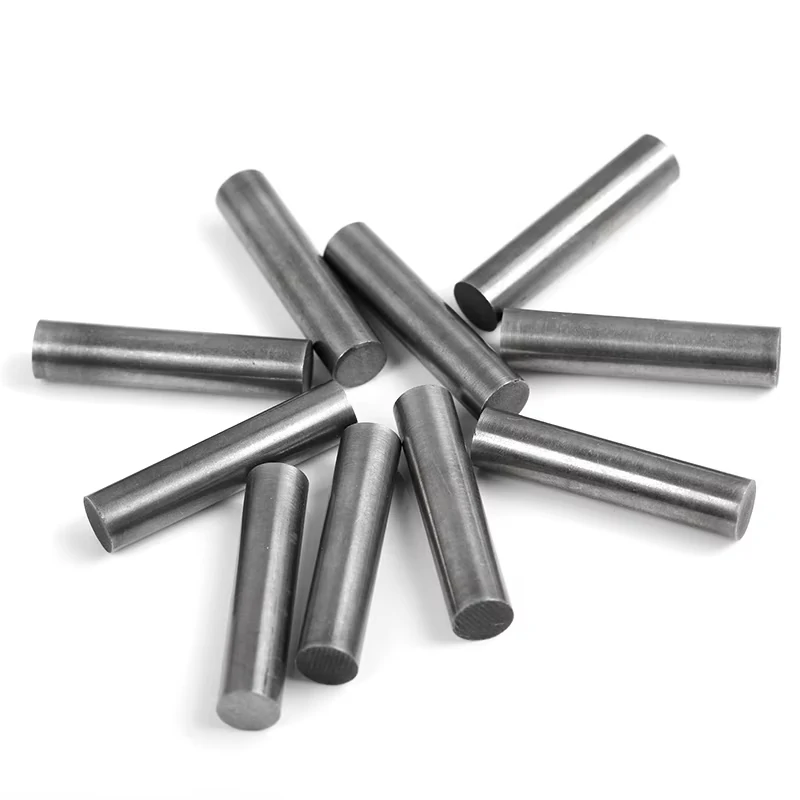
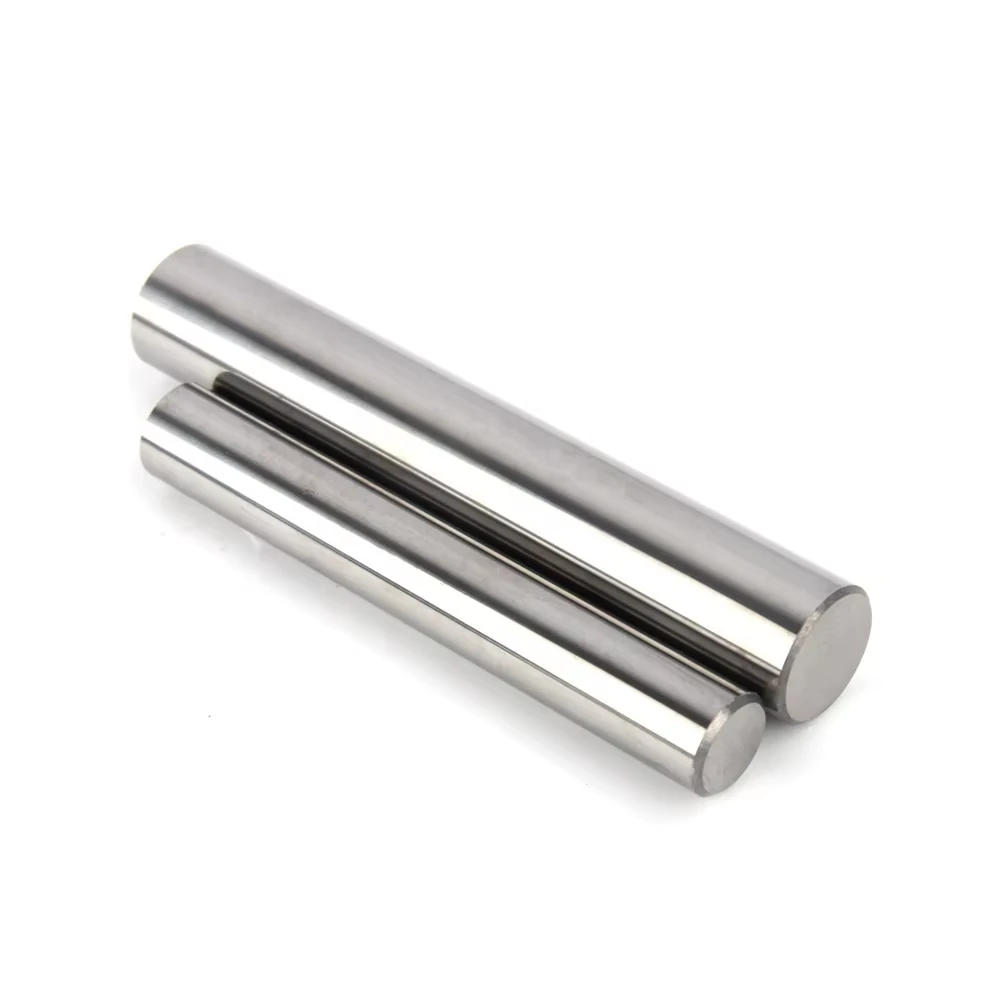
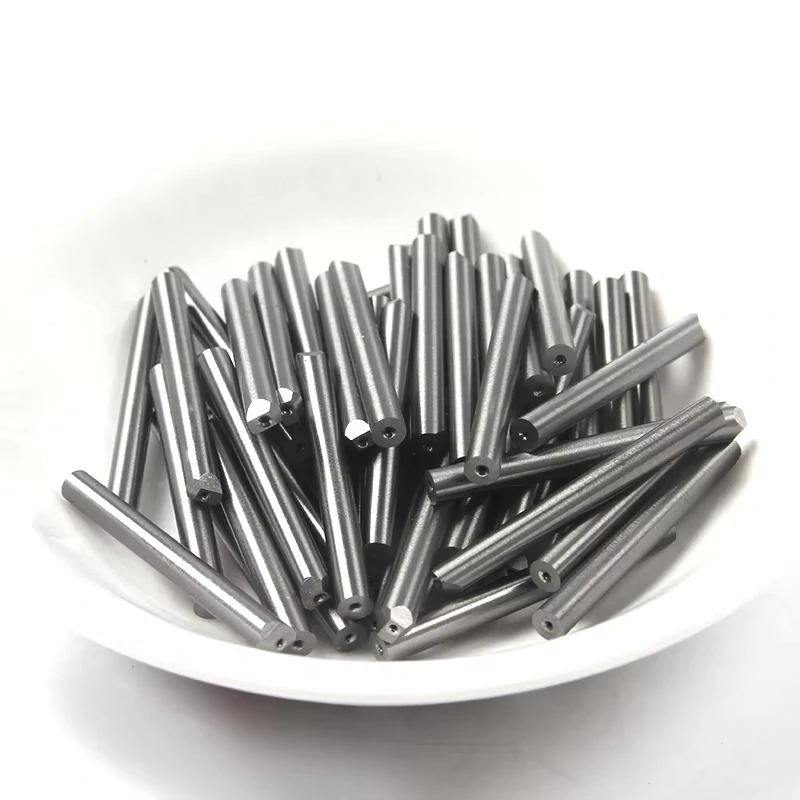
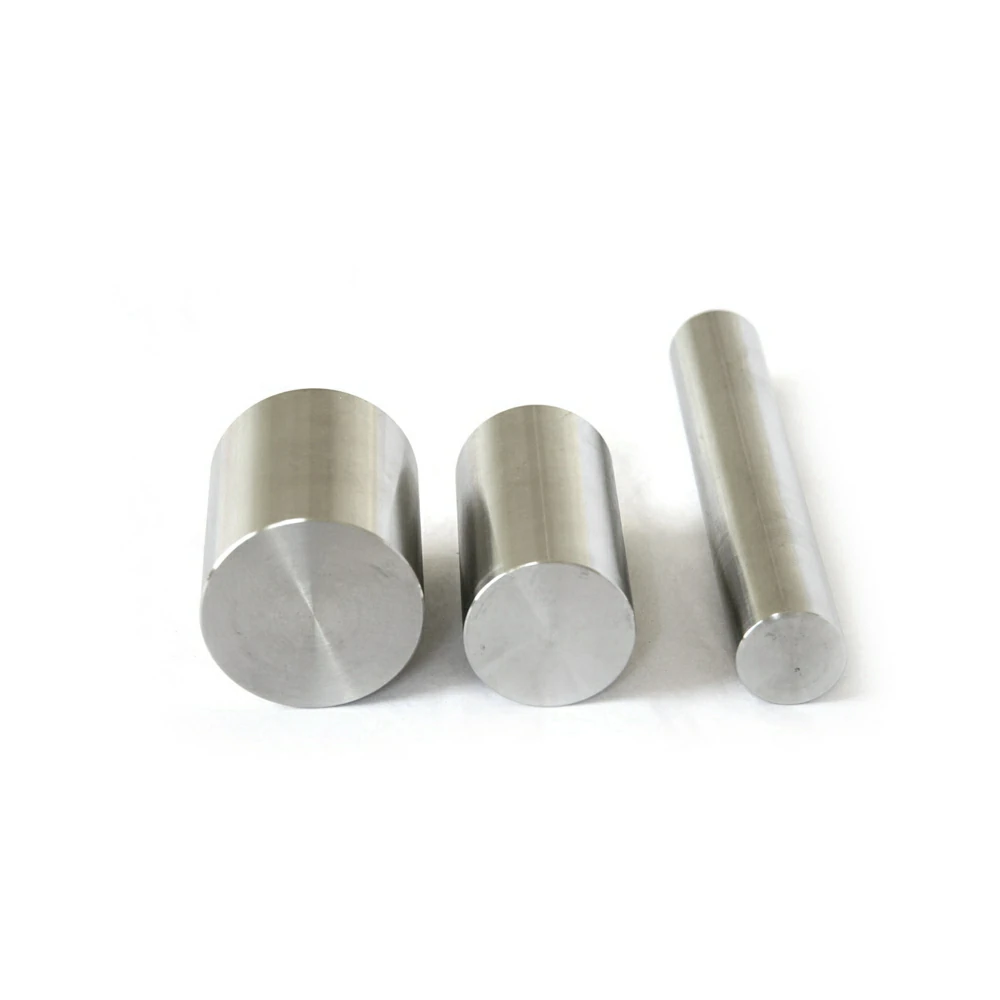
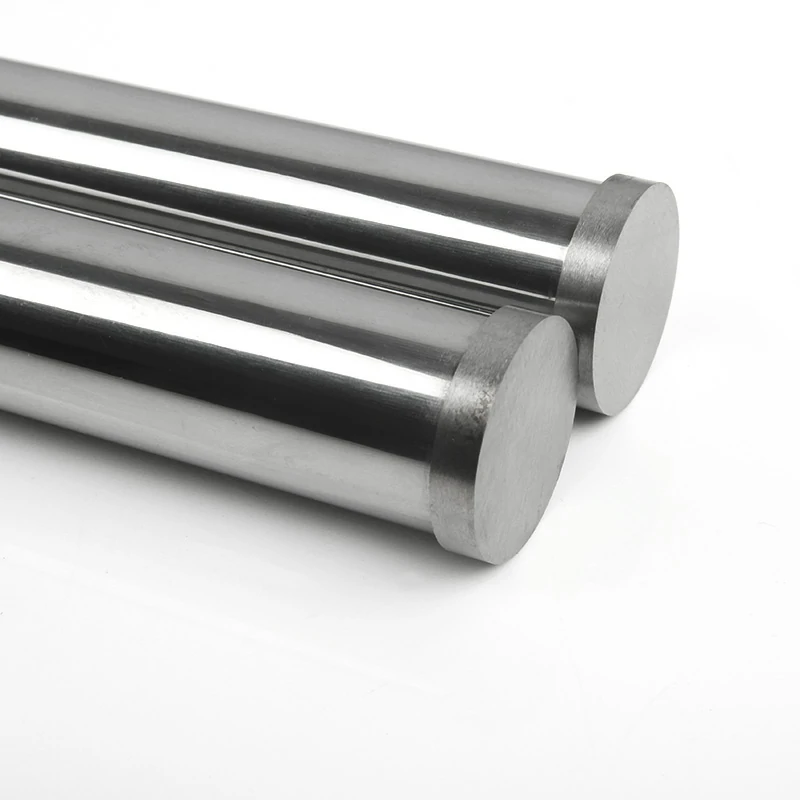
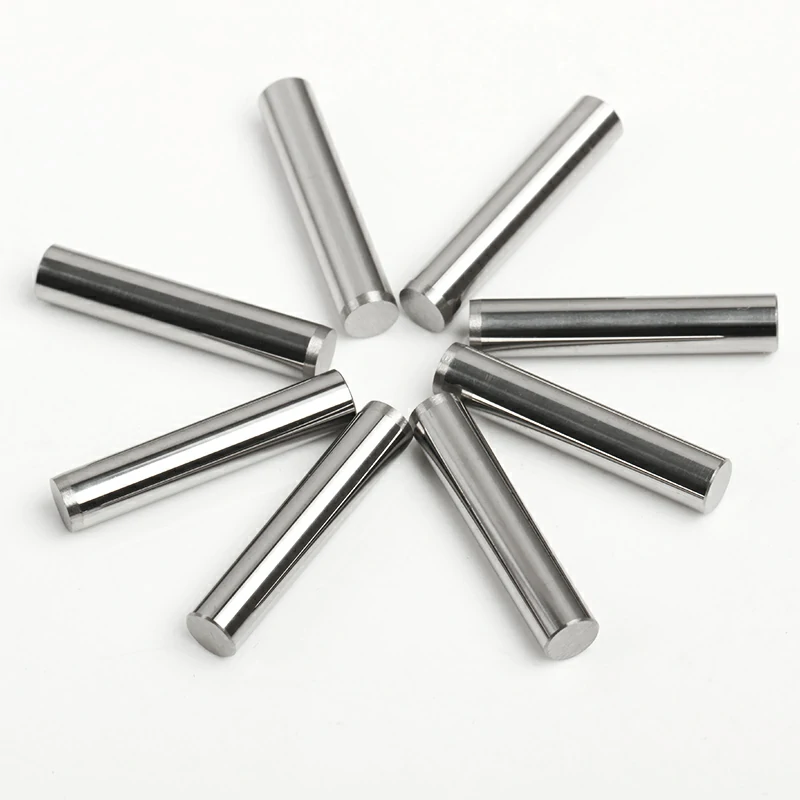
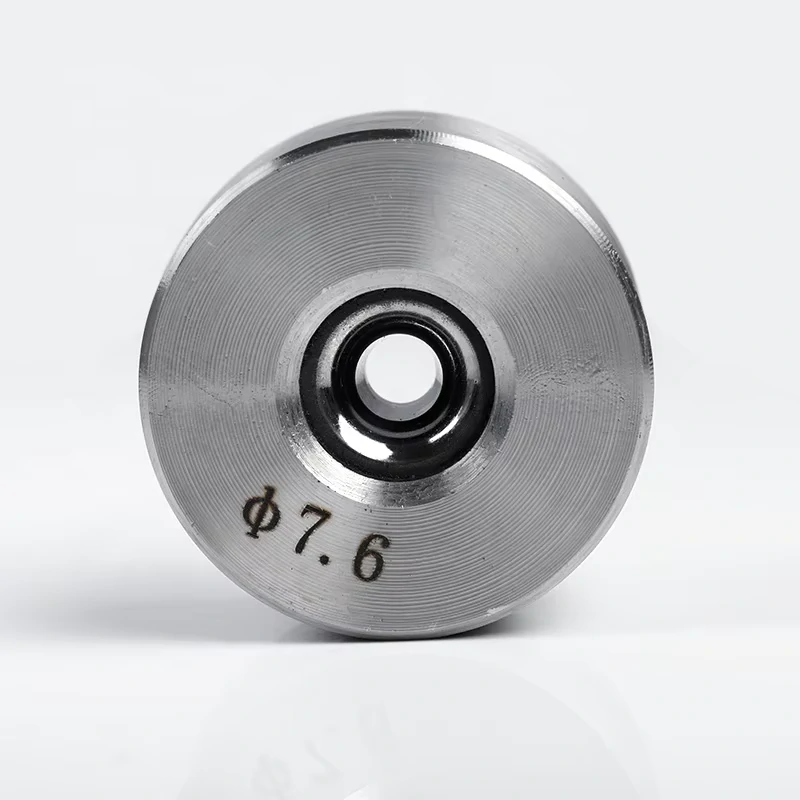
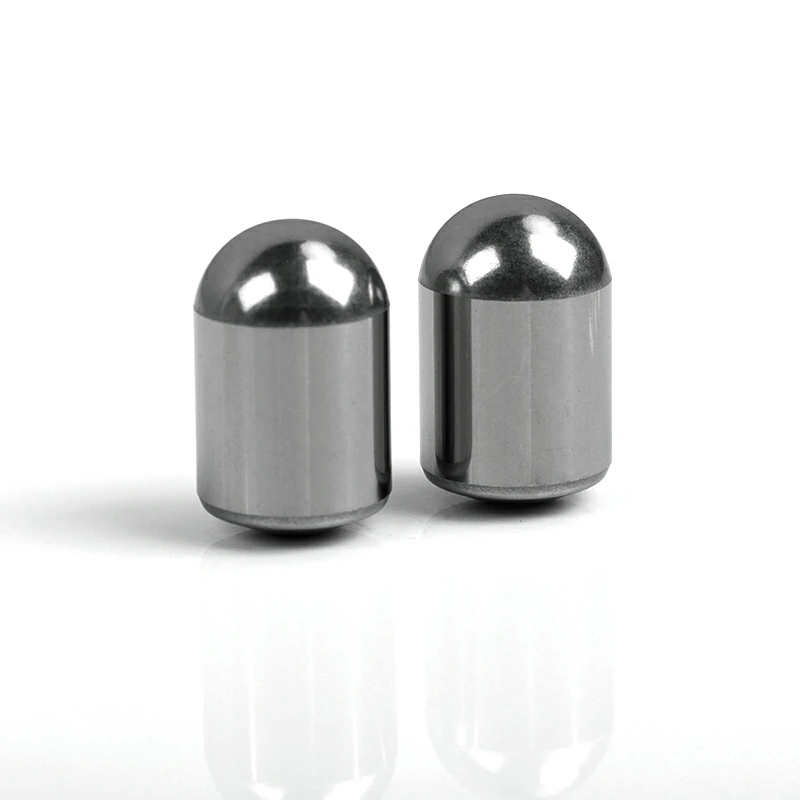
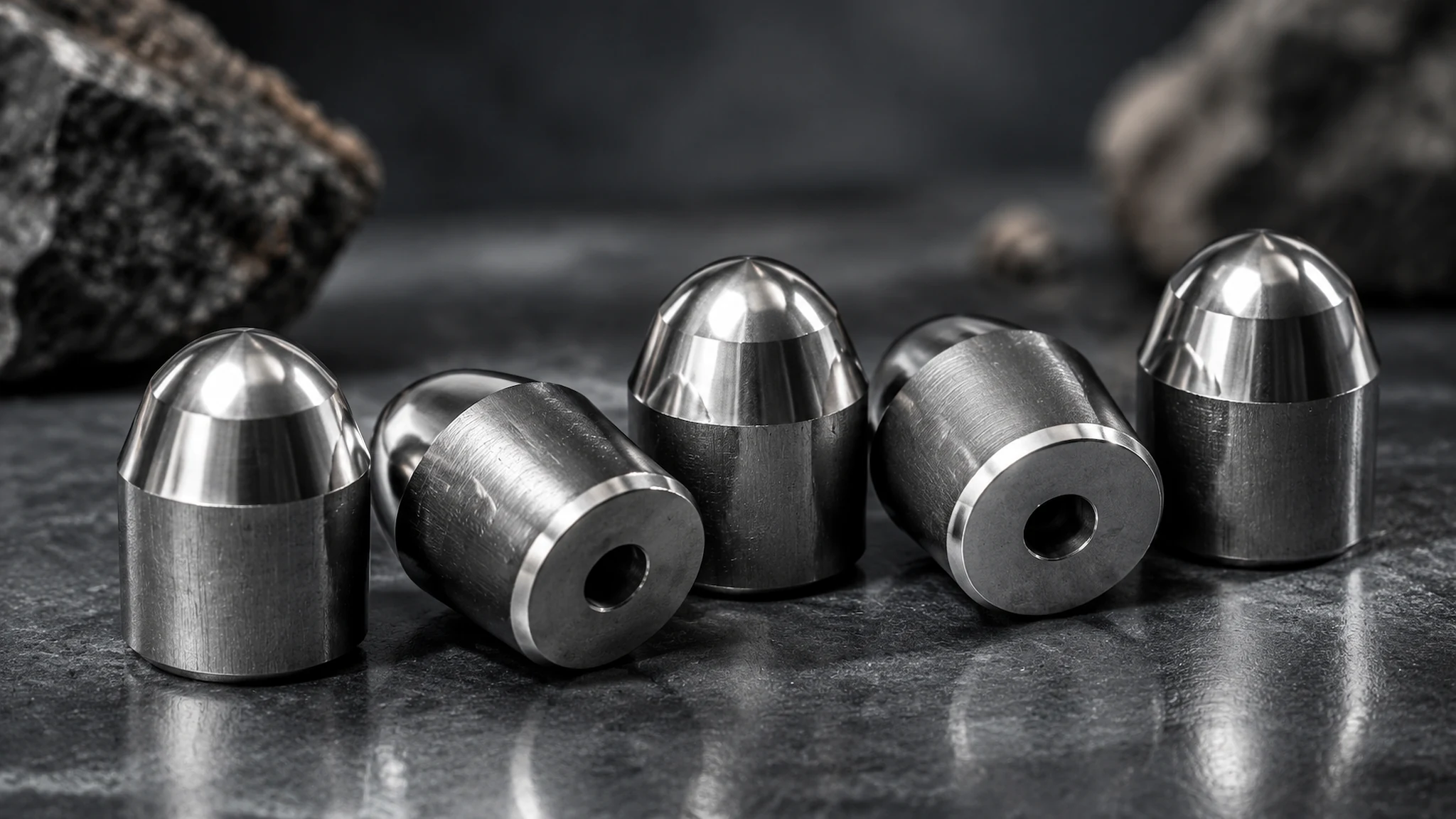
Tungsten carbide stamping punches are hard precision components made from cemented carbide and finished for use in stamping dies. Depending on the tooling design, they may be produced as punch pins, forming punches, blanking punches, piercing punches, ejector-related components, or other customized punch shapes.
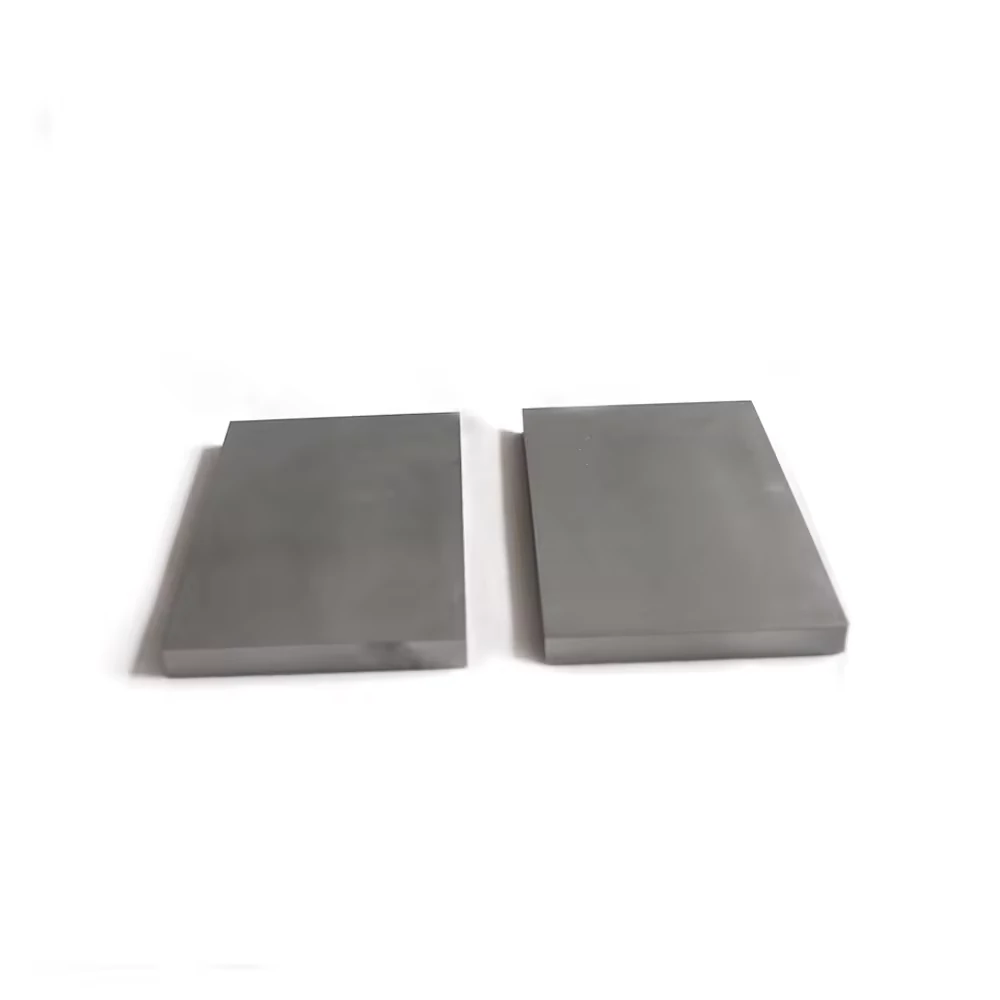
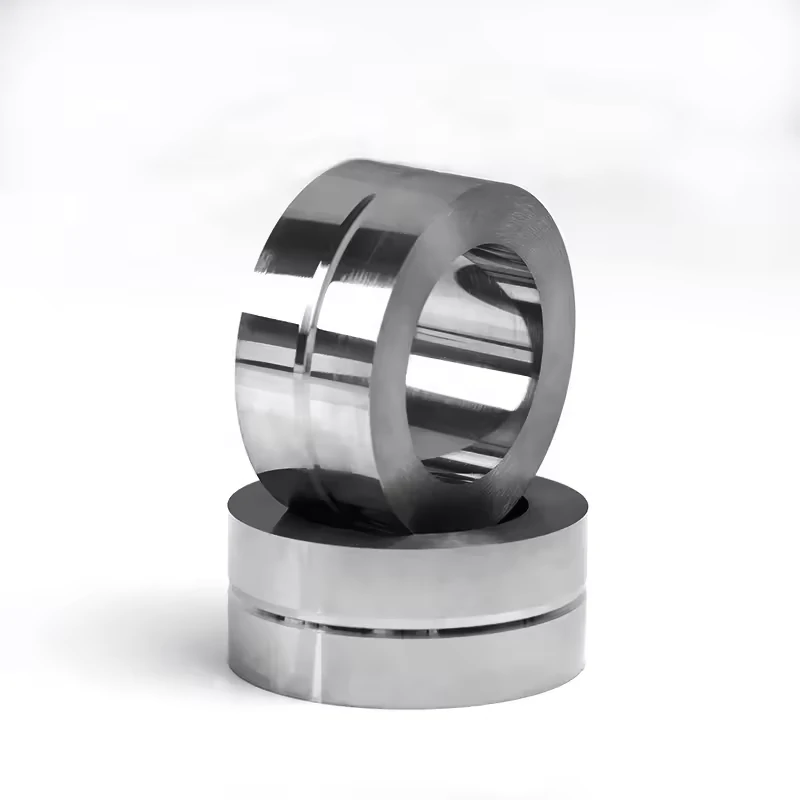
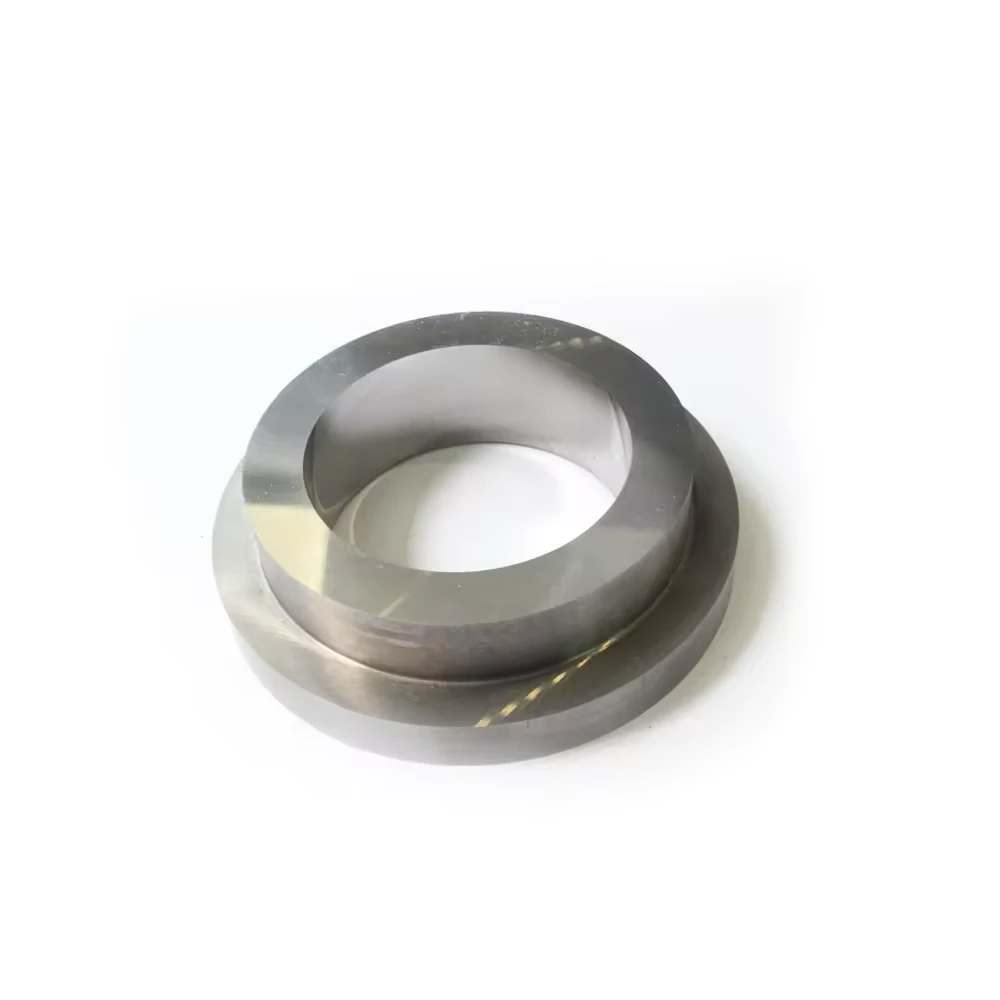
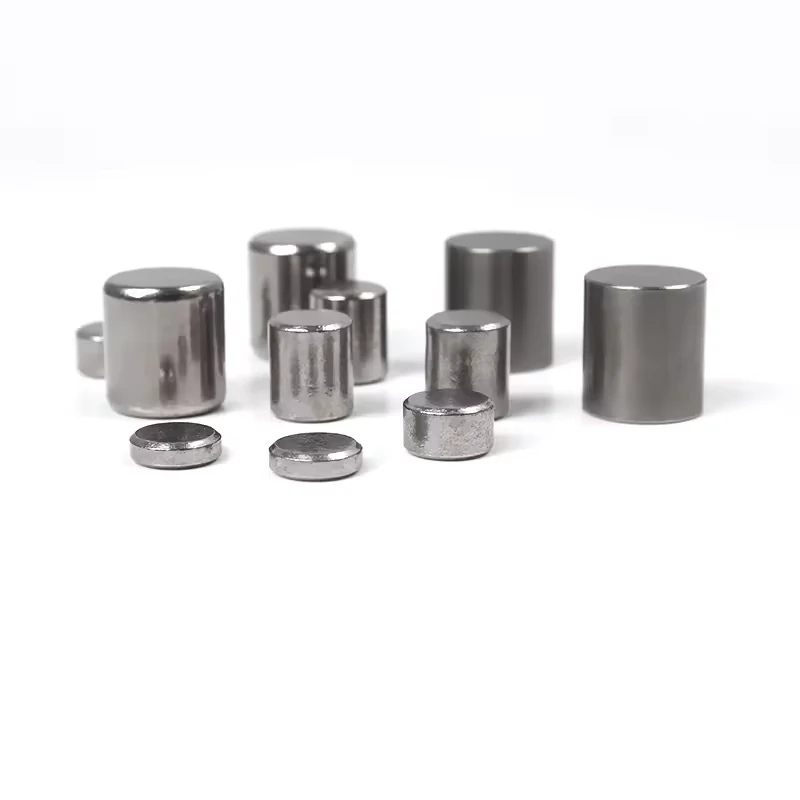
The source material identifies tungsten carbide punches, punch heads, punch pins, forming pins, inserts, and core pins as typical non-standard carbide products. Their final geometry may include stepped diameters, shoulders, radii, threads, flats, or other features defined by the customer drawing.
A carbide punch is evaluated as part of a die assembly. The punch must work with the die button, guide components, retaining structure, and workpiece material. Dimensional accuracy, concentricity, parallelism, surface finish, and edge geometry can all influence the result.
Why Use Carbide Punches in Stamping Dies?
Stamping punches repeatedly contact the workpiece during production. In progressive or multi-station tooling, this action can create wear on the punch tip and affect dimensional consistency. Tungsten carbide is considered because it combines high hardness, strength, and wear resistance.
The supplied technical material describes carbide as suitable for wear-resistant precision parts and stamping punches. The practical result depends on grade, punch geometry, workpiece material, clearance, press conditions, lubrication, and maintenance. No single carbide grade or punch design suits every stamping application.
Applications for Tungsten Carbide Stamping Punches
Progressive and multi-station dies
Progressive dies perform several operations as strip material moves through multiple stations. Punches may be used for piercing, blanking, forming, or sequential operations. Consistent punch dimensions and stable alignment are important when several stations work together.
Precision stamping of metal components
Carbide punches can be considered for precision stamping where repeated punching and dimensional control are important. The correct design depends on material grade, thickness, hole or feature geometry, edge condition, and die clearance.
Electronic and small precision components
The source material associates carbide stamping punches with electronic ceramic molds, hardware and electrical products, and other precision tooling applications. For small components, provide complete dimensional details because changes in diameter, tip profile, or concentricity can affect the finished part.
Forming and non-standard die components
Forming punches, special-shaped punches, guide-related pins, and custom inserts may require electrical-discharge machining, wire cutting, grinding, polishing, or other finishing operations. The manufacturing route should follow the approved drawing and required functional surfaces.
Key Specifications to Confirm Before Ordering
Punch type and function, such as piercing, blanking, forming, or precision pinning.
Original drawing, approved sample, or complete dimensional record.
Workpiece material, thickness, hardness, and surface condition.
Punch overall length, diameter, steps, shoulders, threads, radii, and tip geometry.
Required clearance and matching die-button information.
Concentricity, parallelism, position, roundness, and other critical tolerances.
Required surface finish on working and mounting areas.
Production quantity, repeat-order expectation, packaging, inspection points, and acceptance criteria.
The source material gives example physical ranges for one non-standard carbide processing group, including grain size approximately 0.8–2.0 micrometres, cobalt content 6–10%, density around 14.45 g/cm³, hardness HRA 88–92, transverse rupture strength 3,200–3,800 MPa, and Young’s modulus approximately 570 GPa. These are reference values from the supplied material, not a universal HAO CARBIDE specification.
Precision and Manufacturing Considerations
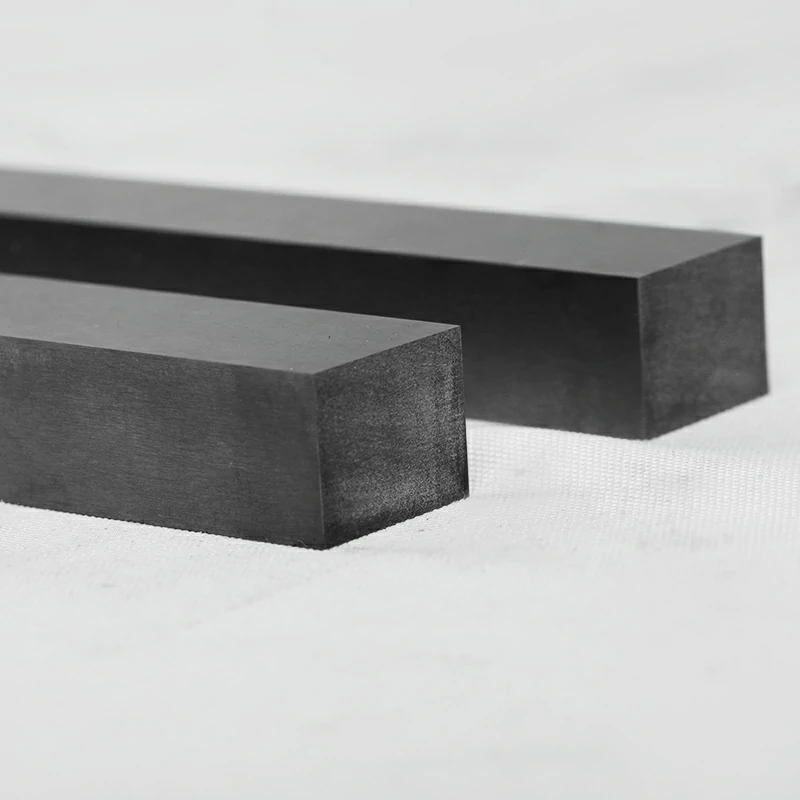
A stamping punch may begin as a carbide blank and then undergo precision grinding, electrical-discharge machining, wire cutting, polishing, and inspection according to its shape and tolerance requirements. The source material describes powder preparation, mixing, granulation, pressing, low-pressure sintering, inspection, forming, rough grinding, fine grinding, polishing, final inspection, marking, and packaging.
For a custom punch, the important question is which process combination suits the drawing and functional surfaces. Identify surfaces controlling stamping accuracy, mounting surfaces, and edges or radii that must be protected from chipping.
The source material also states that certain customized tungsten carbide precision parts may be produced to approximately ±0.002 mm tolerance, with concentricity and parallelism requirements up to 0.002 mm in described applications. These values are not a general promise for every product. HAO CARBIDE should confirm achievable tolerance for the specific punch, size, grade, and inspection method.
How to Evaluate a Custom Carbide Punch Supplier
Ask whether the supplier can review the actual die drawing or sample. Confirm how critical dimensions will be inspected, how the punch will be protected during shipment, and whether the approved reference can be maintained for repeat orders.
HAO CARBIDE can discuss customized carbide products according to customer drawings or samples. Send the tool drawing, workpiece information, critical dimensions, required quantity, and failure or wear observations. Final grade, tolerance, inspection method, and delivery details should be confirmed for the individual project.
Purchasing Checklist for B2B Buyers
Identify the punch function and mating die component.
Confirm the drawing revision or sample reference.
Mark all critical dimensions and tolerances.
Confirm the carbide grade or assign it for technical review.
State workpiece material, thickness, press conditions, and production target.
Define surface finish and edge requirements.
Agree inspection and acceptance points.
Record quantity, packaging, and delivery information.
HAO CARBIDE Support for Custom Stamping Punches
HAO CARBIDE supports overseas B2B buyers looking for customized tungsten carbide stamping punches and related precision carbide components. Discussion can be based on a drawing or sample, with attention to punch function, die fit, material selection, tolerance requirements, and inspection needs.
Send your stamping-punch drawing, workpiece material, die information, target quantity, and current quality or wear concerns to HAO CARBIDE.
Frequently Asked Questions
What are tungsten carbide stamping punches used for?
They are used in stamping dies for piercing, blanking, forming, and other operations that require a hard precision punch. The exact application depends on die design and workpiece material.
Are carbide punches suitable for progressive dies?
They can be considered for progressive and multi-station dies where repeated contact and dimensional stability are important. Grade, geometry, clearance, and die alignment must be reviewed together.
What information is needed for a custom carbide punch quotation?
Provide the drawing or sample, punch function, workpiece material and thickness, dimensions, tolerances, mating die information, quantity, and inspection requirements.
Can HAO CARBIDE manufacture non-standard stamping punches?
HAO CARBIDE can discuss customized carbide products manufactured according to customer drawings or samples. Final grade, tolerance, process, and inspection details must be confirmed for the specific project.
What carbide grade should I choose for a stamping punch?
The grade should be selected from workpiece, punch geometry, loading, wear conditions, and the required balance between hardness and strength. It should not be assumed from a general product description.
Can a stamping punch be supplied from a sample?
A physical sample can support a technical review when the original drawing is unavailable. Dimensional inspection and functional requirements should still be confirmed before production.
Request a Tungsten Carbide Stamping Punch Quote
Send your drawing, sample, workpiece information, and required quantity to HAO CARBIDE for a custom tungsten carbide stamping punch review. Include critical tolerances, mating die details, and current wear or quality problems so the quotation discussion focuses on your actual stamping application.