

What Tungsten Futures Could Mean for Tungsten Carbide Buyers in 2027
The discussion about tungsten futures is relevant to industrial procurement, but it should not be confused with a guaranteed tungsten carbide price forecast. A planned futures contract may give market participants another reference for managing exposure to tungsten-related prices. A buyer purchasing physical carbide products still needs a clear specification, comparable quotations, realistic validity periods and direct supplier communication.
Financial Times reported on 19 October 2026 that CME planned to introduce a cash-settled tungsten futures contract before the first quarter of 2027. The report described the proposed contract as a tool for companies to manage tungsten price exposure, with a reference to Fastmarkets’ tungsten APT assessment. This is a market-development story, not an instruction for every carbide buyer to trade futures.
For buyers of tungsten carbide rods, plates, balls, buttons, strips and non-standard parts, the practical question is simpler: how should a procurement process respond when raw-material price risk receives more attention? The answer is to improve the RFQ and quotation review before discussing any financial instrument.
Why Tungsten Futures Are Being Discussed
Tungsten is an important input in the wider cemented-carbide value chain, while carbide products are ultimately purchased for specific industrial uses. A buyer may need a wear part, tool blank, mining component or custom part with defined dimensions and application conditions. The price of the finished item is not determined by a single market reference alone. It also reflects product form, material specification, manufacturing route, machining, inspection, packaging, quantity and commercial terms.
A planned cash-settled futures contract is designed to reference a market value rather than deliver a physical carbide component to a buyer’s factory. That distinction matters. A physical purchaser still needs a supplier capable of responding to a drawing, sample or product specification. A futures market may become one source of price information for some market participants, but it does not replace supplier qualification or technical acceptance.
The public market announcement associated with the report states that the proposed contract would reference Fastmarkets’ tungsten APT assessment and use CIF quotations for Rotterdam and Baltimore. Buyers should treat these references as market terminology, not as an automatic price formula for every tungsten carbide product. A carbide quotation may use a different commercial basis and may include many product-specific costs.
The most useful purchasing response is therefore not to assume that futures will make prices predictable. It is to document which parts of a quotation are fixed, which are conditional and which require confirmation before an order is accepted.
What a Futures Contract Can—and Cannot—Do for a Carbide Buyer
A futures contract may provide a market participant with a way to manage or offset some price exposure under the contract’s terms. It does not automatically fix the price of a finished tungsten carbide product. It also does not guarantee that the timing, grade, size, quantity or quality of a physical order will match the market reference.
For an industrial buyer, the distinction can be summarized as follows:
Market reference: A published assessment or contract reference may help explain broader price exposure.
Physical quotation: A supplier’s quotation covers a defined product, specification, quantity and commercial scope.
Technical acceptance: The buyer must confirm that the product meets the approved drawing, sample or requirements.
Delivery execution: The supplier and buyer must agree on production, inspection, packaging and delivery arrangements.
These layers should not be collapsed into one number. A market reference can be useful background while a physical quotation remains the document that governs the product purchase.
A procurement team should also avoid presenting a futures discussion as investment advice. The appropriate internal question is whether market information helps the company set quotation validity, review frequency and approval controls. The answer depends on the organization’s purchasing policy and the supplier’s terms, not on a general headline about futures.
How Raw-Material Risk Reaches a Physical Carbide Quotation
Raw-material risk can reach a quotation through several channels. The first is the material basis used by the supplier. A supplier may need to review material costs before confirming a quote, especially when the request involves a non-standard product or a long production window. The second is the product specification. A quotation for a simple standard item may not be comparable with a quotation for a custom part involving additional pressing, sintering, grinding, machining or inspection.
The third channel is timing. A quote prepared for a short validity period is not the same commercial offer as a quote held open for a longer period without adjustment. Buyers should make the requested validity period explicit and ask what happens if material conditions change before order confirmation.
The fourth channel is quantity and forecast reliability. A trial quantity, a repeat order and an annual forecast can create different purchasing conversations. The supplier may need to distinguish an indicative budget price from a confirmed production quotation.
This is why a buyer should not compare unit prices until the quotations are aligned on specification, quantity, delivery basis, inspection, packaging, validity and any material-adjustment language. A lower number may exclude requirements that another supplier has included.
Seven Questions to Add to a Tungsten Carbide RFQ
A stronger RFQ gives engineering and purchasing teams a common basis for comparison. Consider adding these seven questions:
What product and material are being quoted? State whether the requirement is for rods, plates, balls, buttons, strips or a non-standard part. Ask the supplier to identify the proposed material or grade basis and any missing technical information.
What drawing, sample and revision are covered? Include the drawing number, revision, sample reference or dimensional description. This prevents a supplier from quoting an outdated design.
What quantity and timing are assumed? Separate trial quantity, current order quantity and expected repeat demand. State the required delivery window if it is already known.
How long is the quotation valid? Ask the supplier to state the validity period clearly. If the quotation depends on a material review after that date, request the applicable confirmation process.
Are price adjustments possible before order confirmation? Ask for the conditions in plain language. Do not assume that any adjustment mechanism is the same as a financial hedge or a fixed-price guarantee.
What inspection and documentation are included? Confirm the agreed dimensional, visual, material or other inspection requirements. Ask which records can accompany the shipment.
What commercial basis is being used? Confirm currency, delivery basis, packaging, labeling and any other scope items that affect comparison.
These questions do not predict the market. They reduce ambiguity. They also help a buyer identify whether the supplier understands the difference between a general product request and a production-ready specification.
Standard Parts, Non-Standard Parts and Quotation Comparability
Standard and non-standard carbide parts should not be evaluated in exactly the same way. For standard products, a buyer may already have a defined size, product form and application. The main comparison may involve material suitability, inspection, quantity, delivery terms and quotation validity.
For non-standard parts, the drawing or sample is usually more important. Geometry, tolerances, surface requirements, holes, edge conditions, assembly interfaces and the expected operating environment can influence the manufacturing and inspection scope. If these details are missing, a quotation may be only an initial discussion rather than a final production offer.
When raw-material risk is part of the concern, buyers should request that suppliers separate confirmed facts from assumptions. Ask which details are fixed by the drawing, which are proposed by the supplier and which depend on final technical review. This creates a better record for later comparison and reduces the chance of treating an indicative number as a binding quote.
A useful procurement file should retain the approved drawing or sample, quotation version, validity date, specification, agreed inspection scope and any written clarification. This documentation is valuable whether or not the buyer ever uses a financial market reference.
How HAO CARBIDE Can Enter the Technical Purchasing Conversation
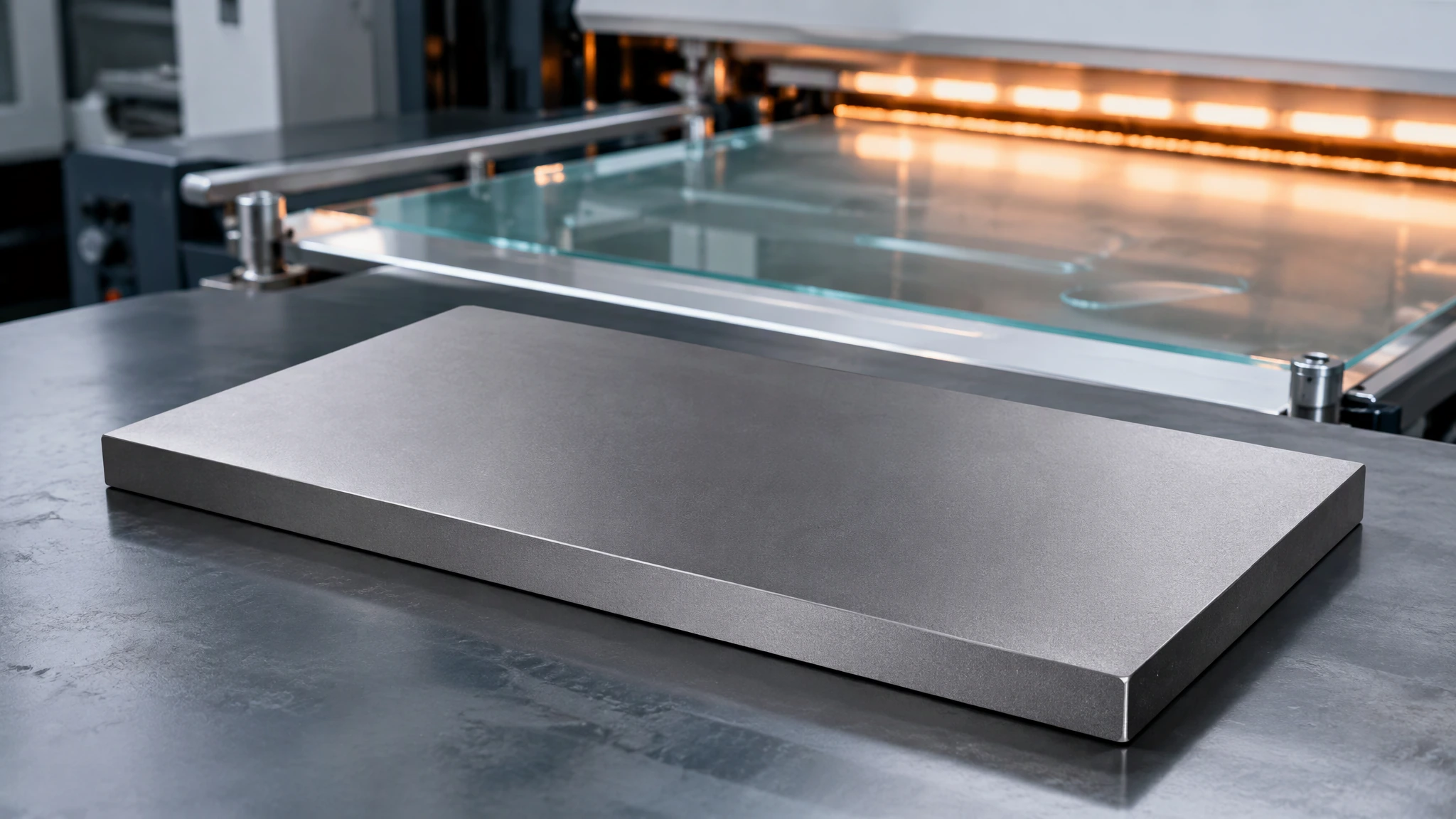
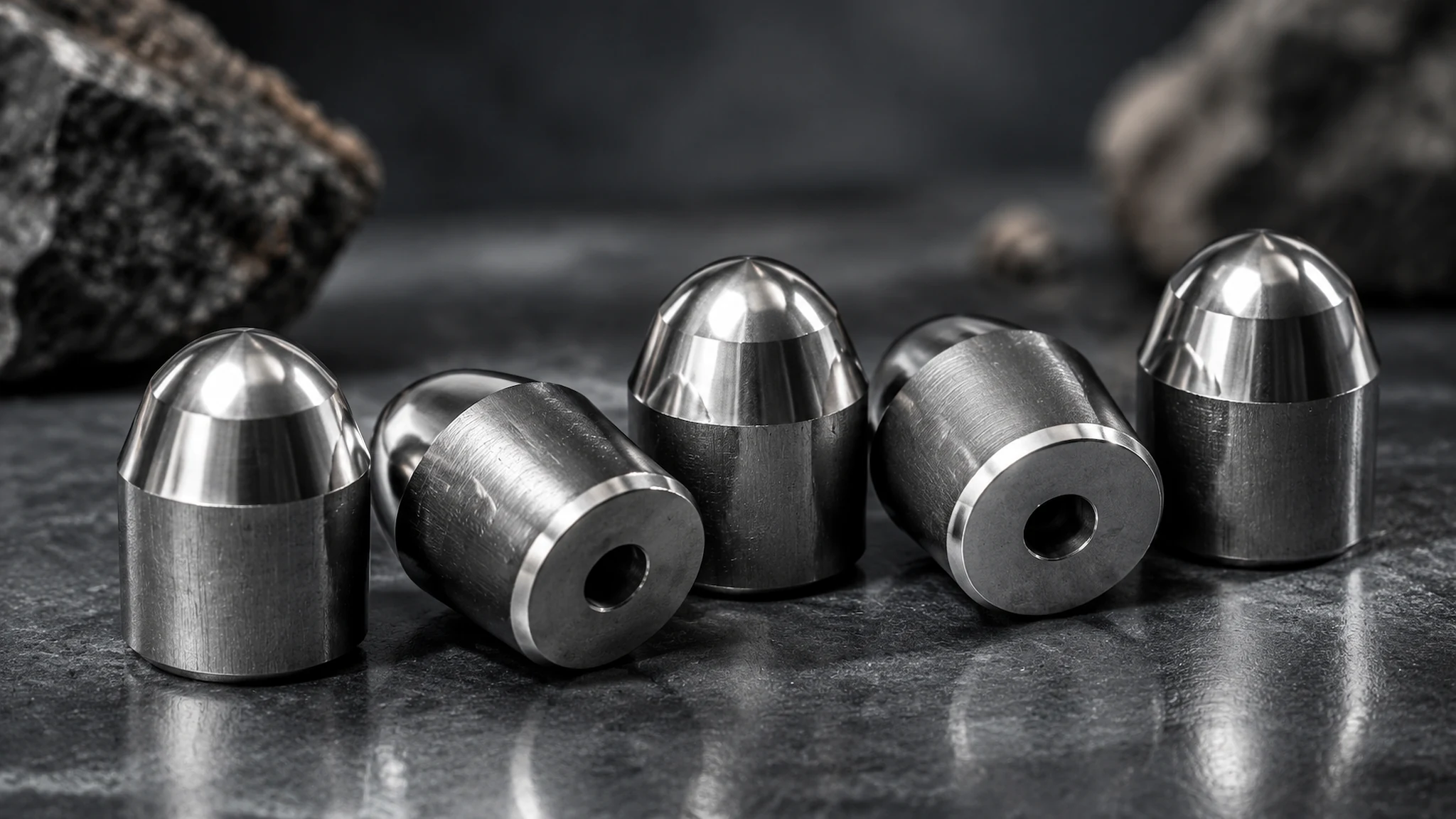
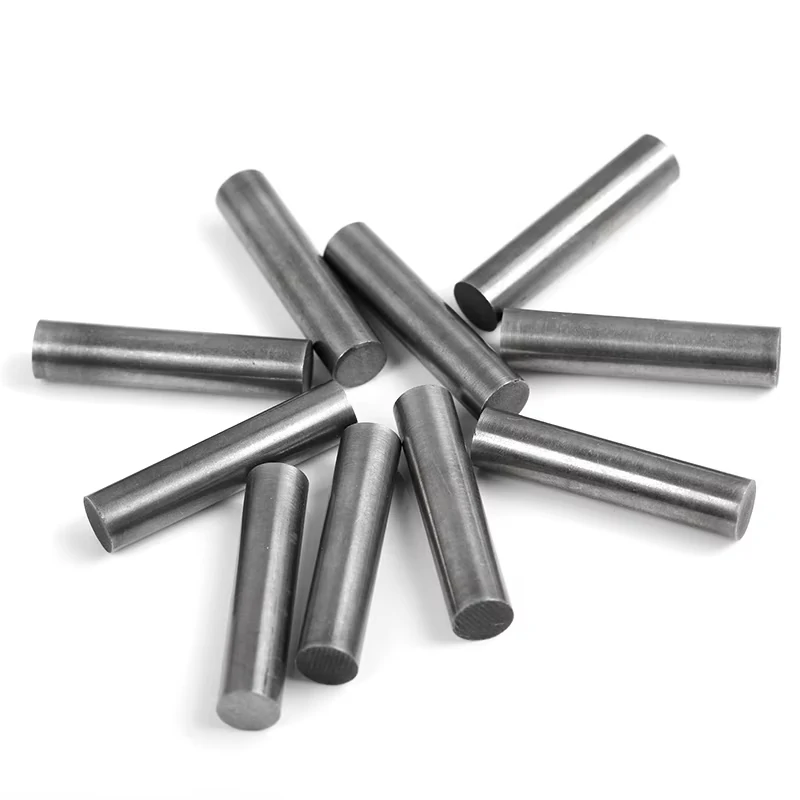
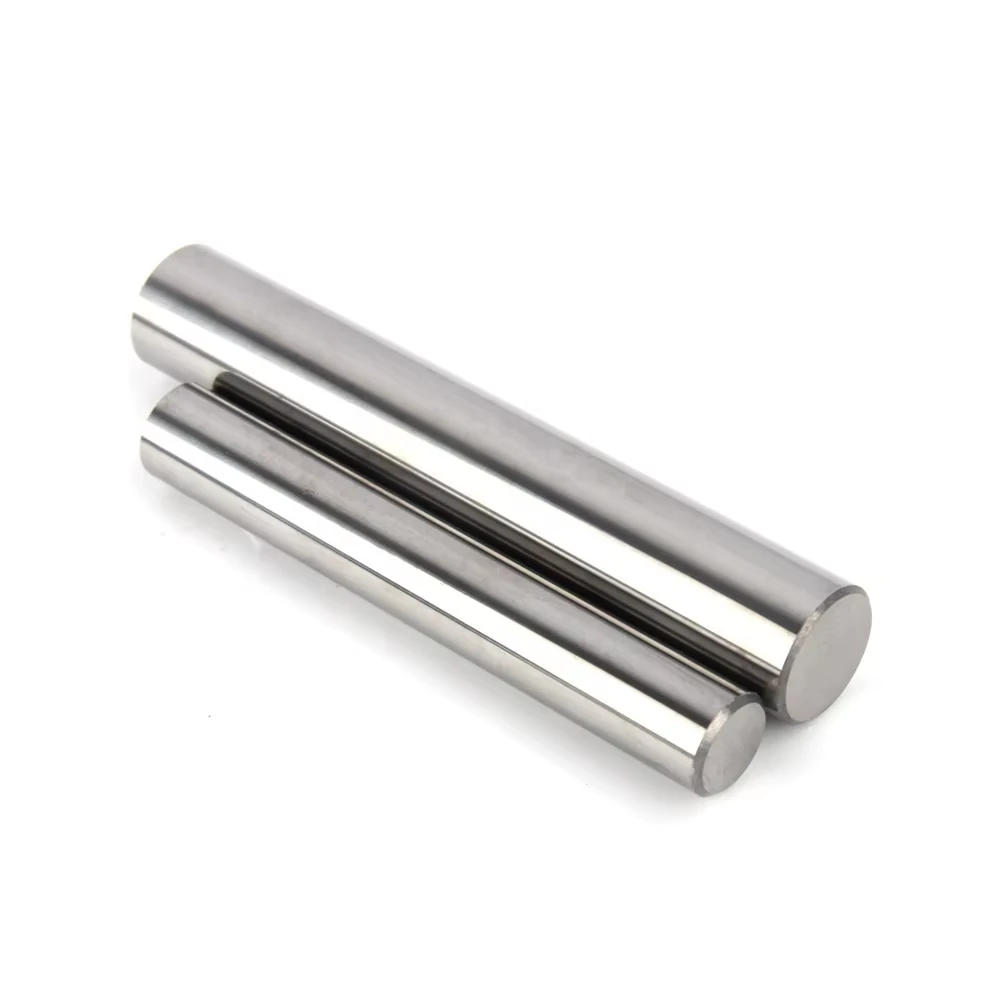
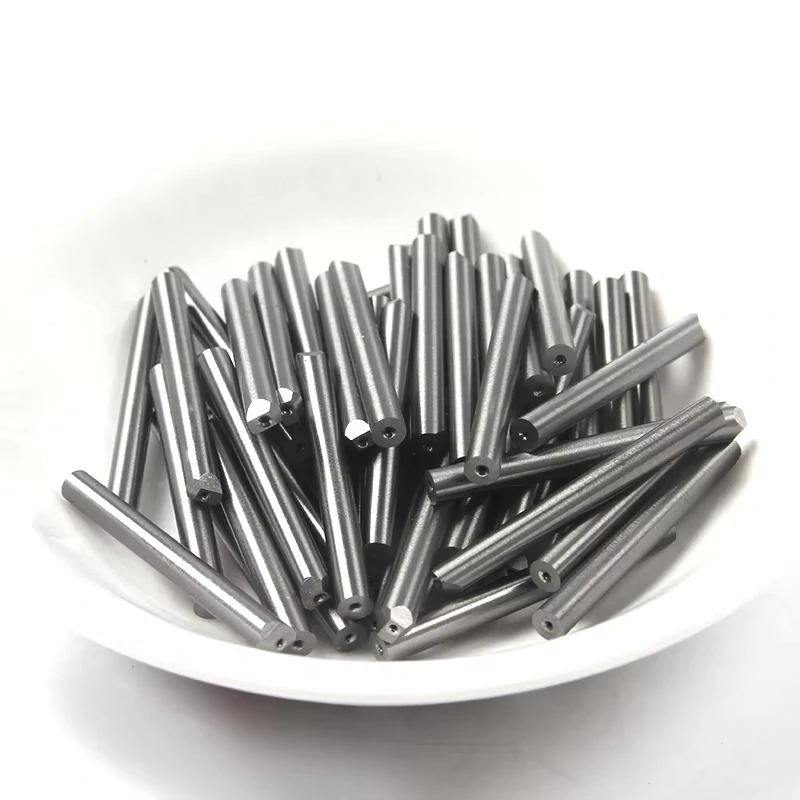
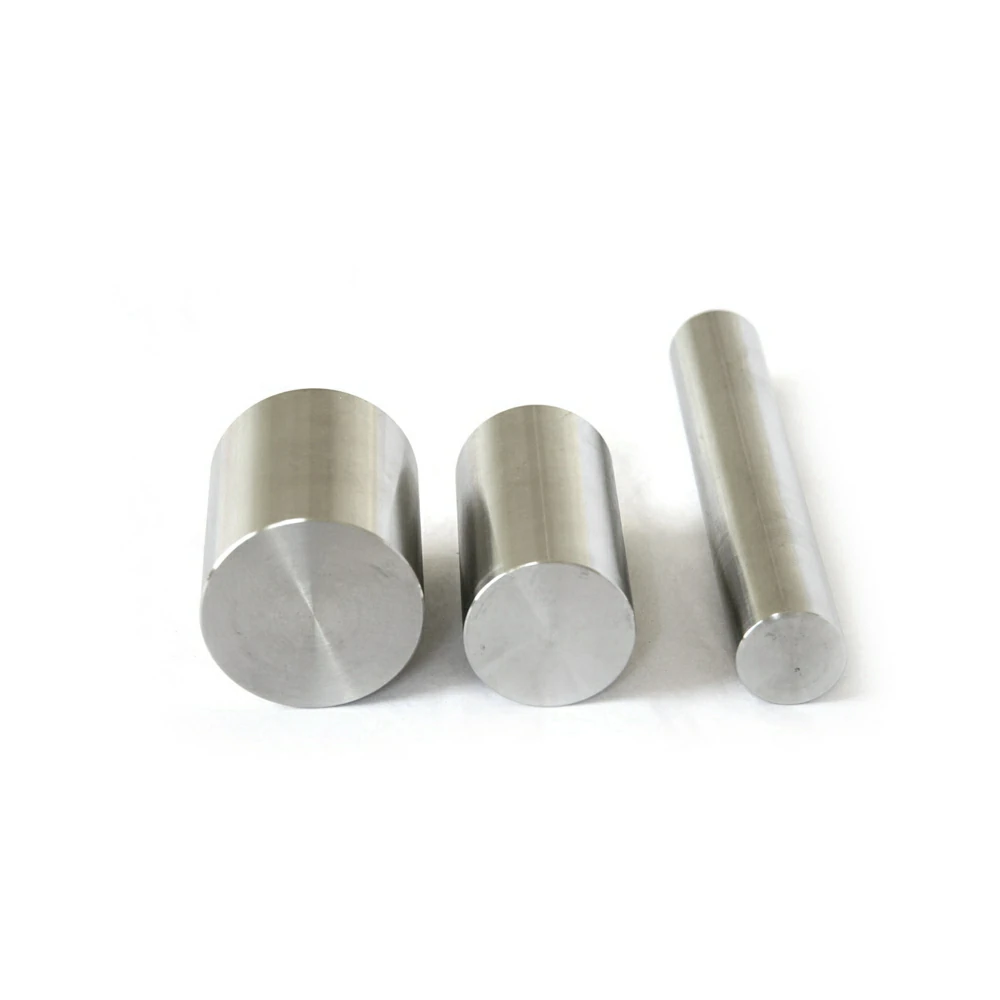
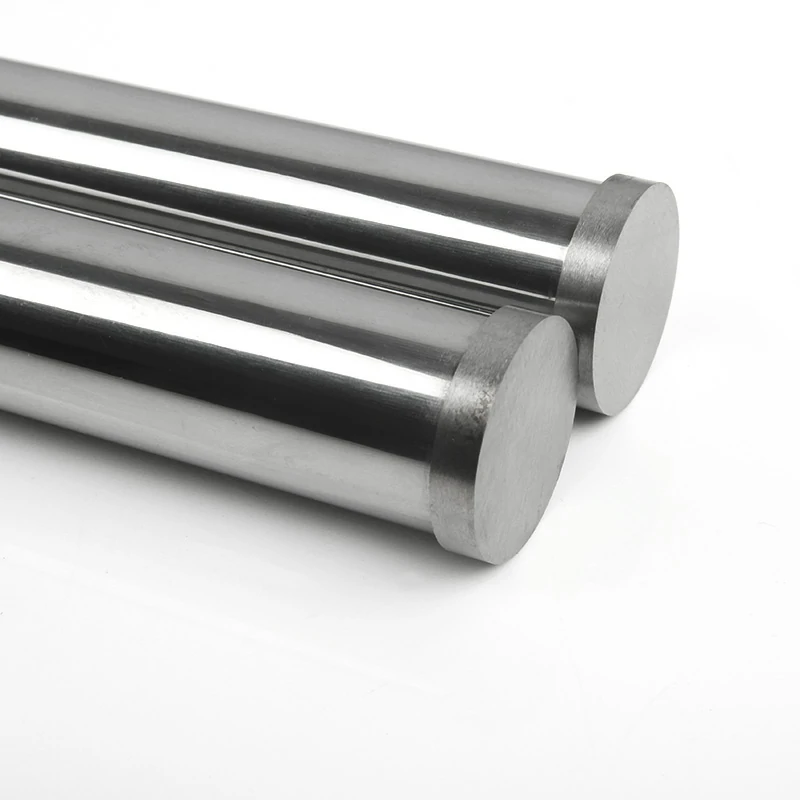
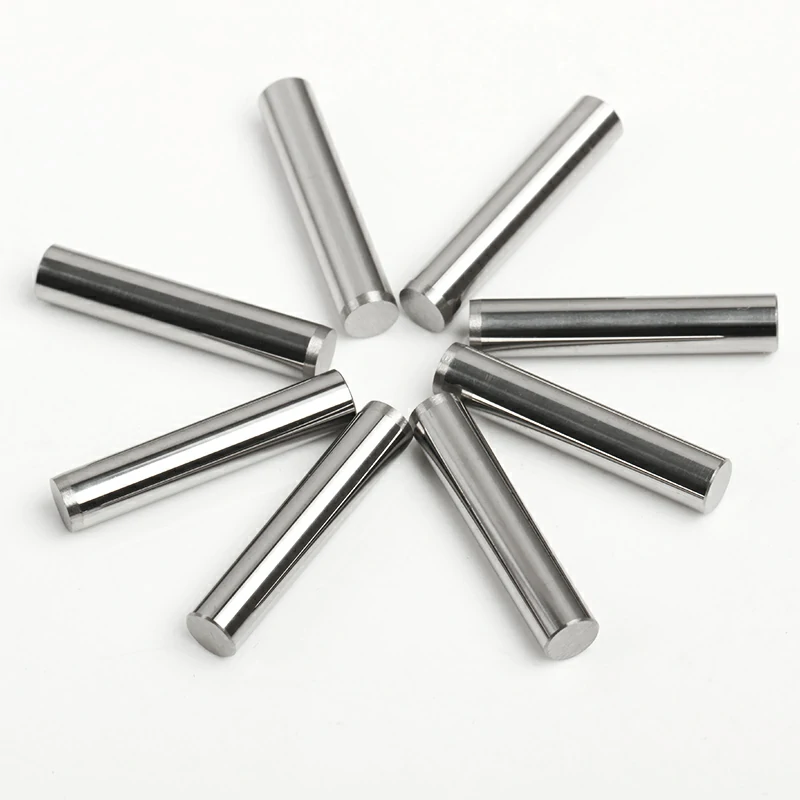
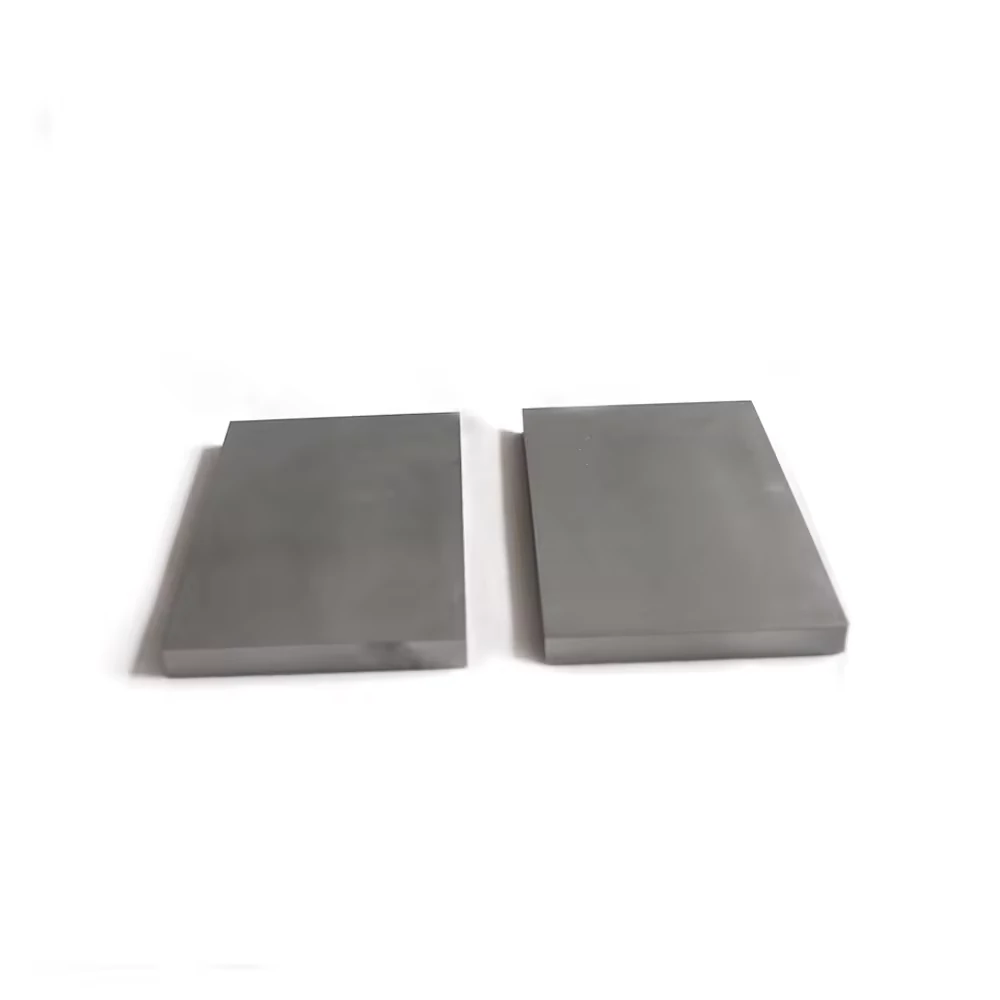
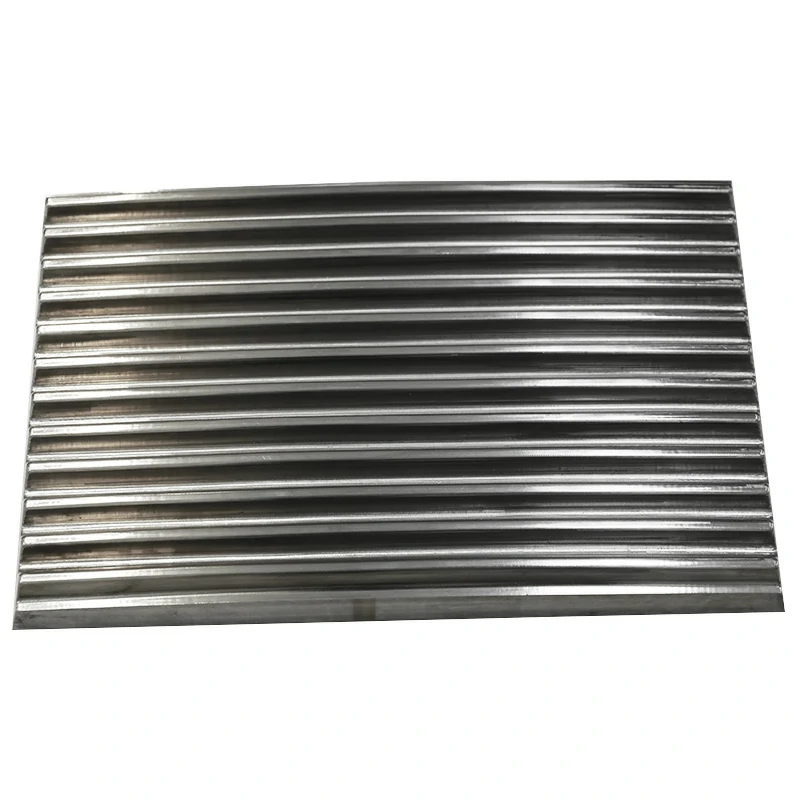
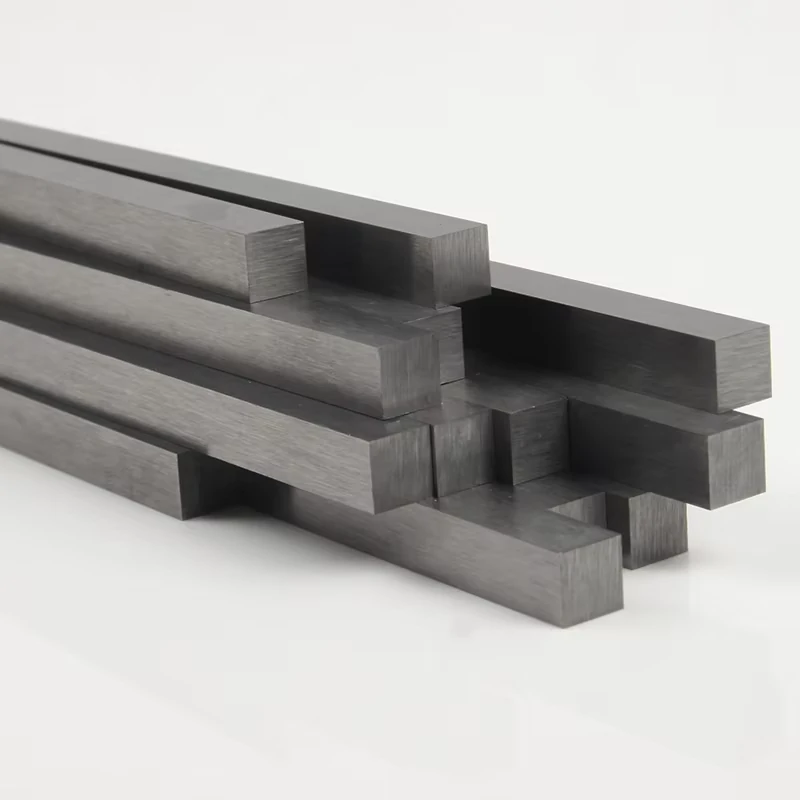
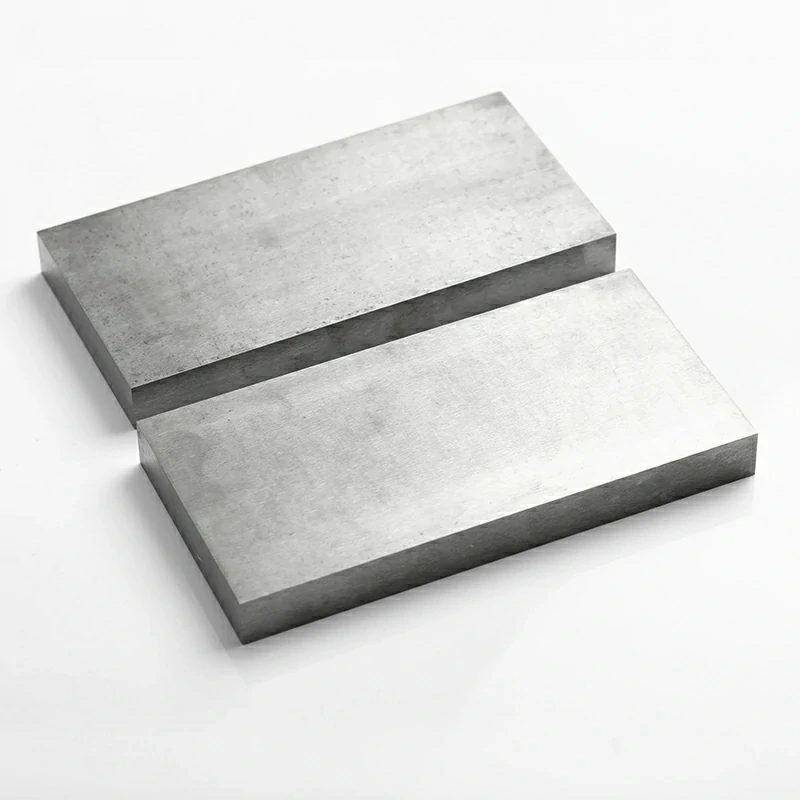
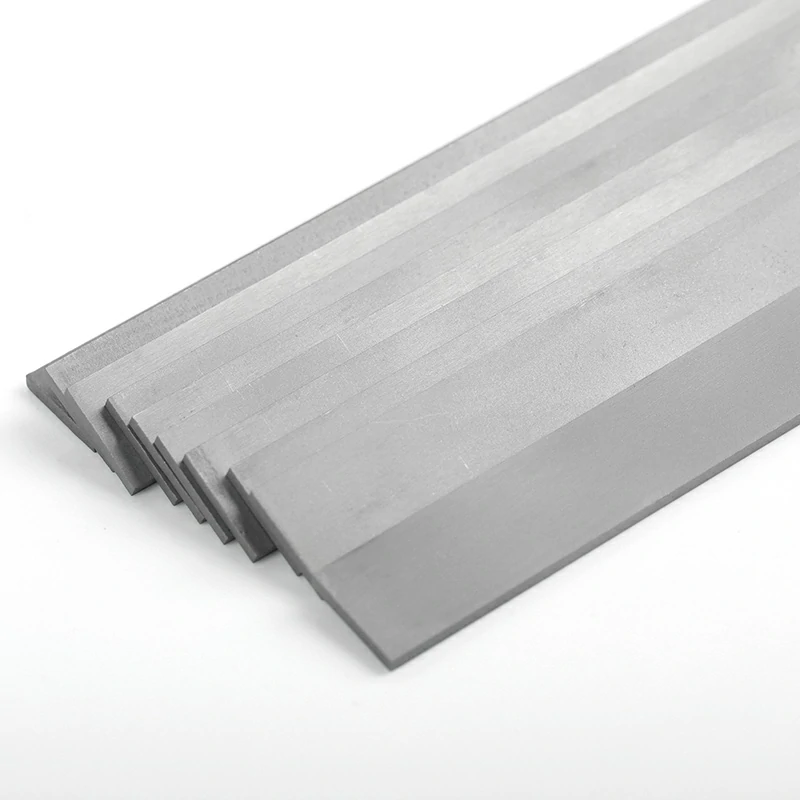
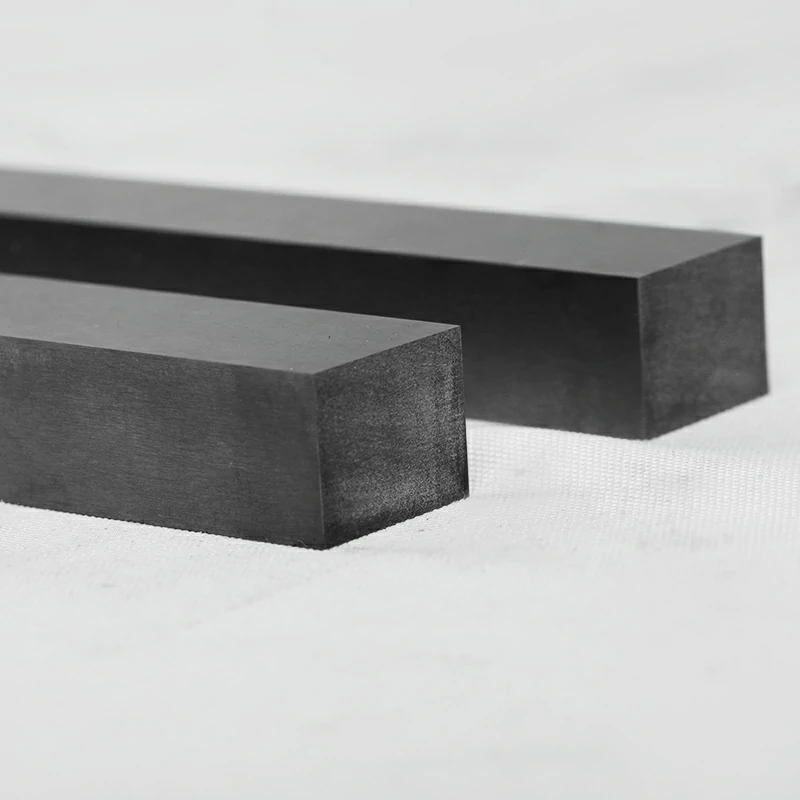
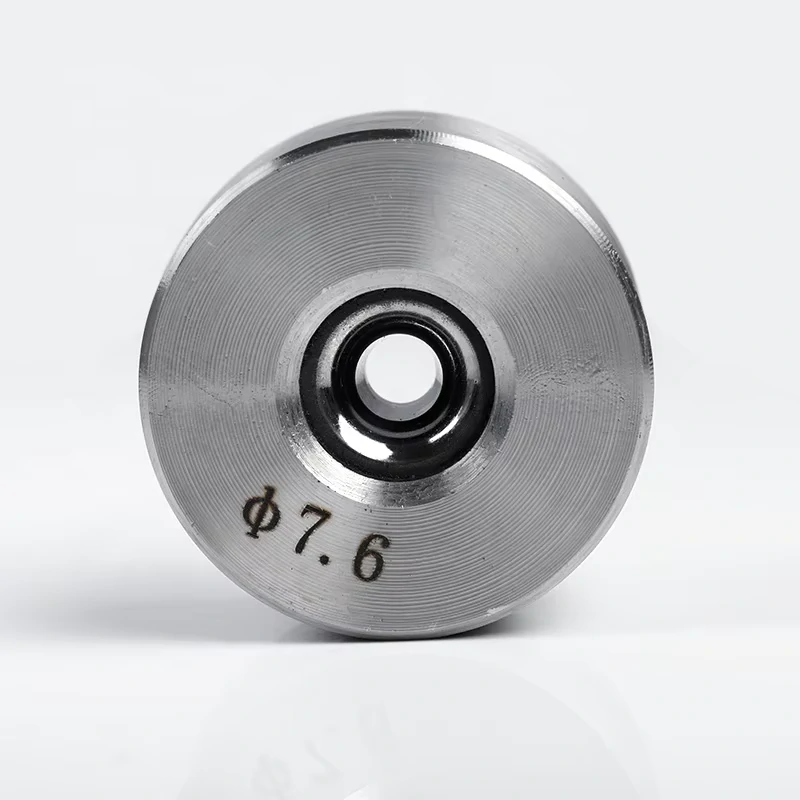
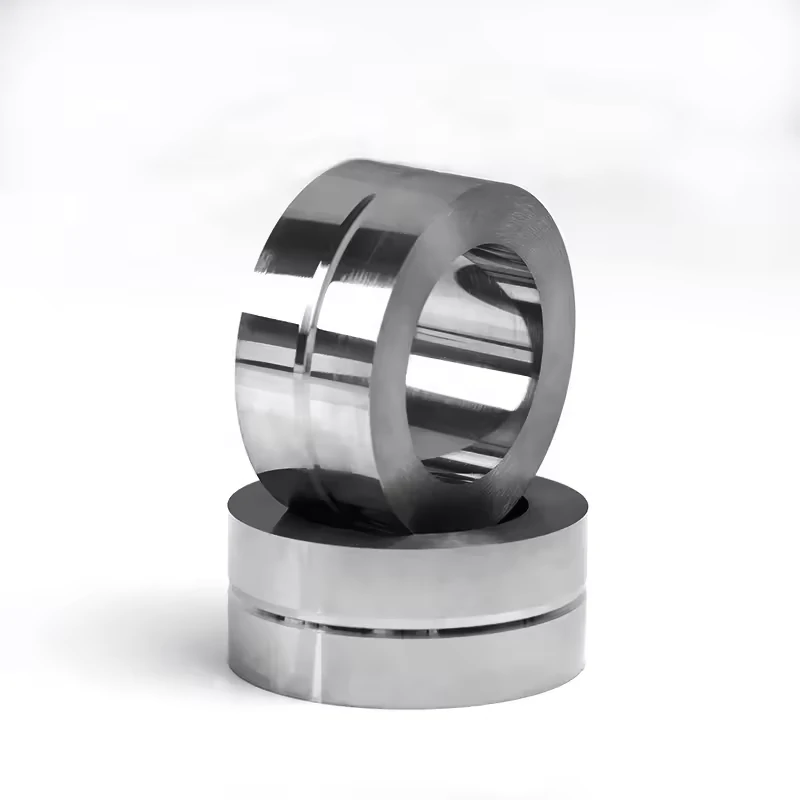
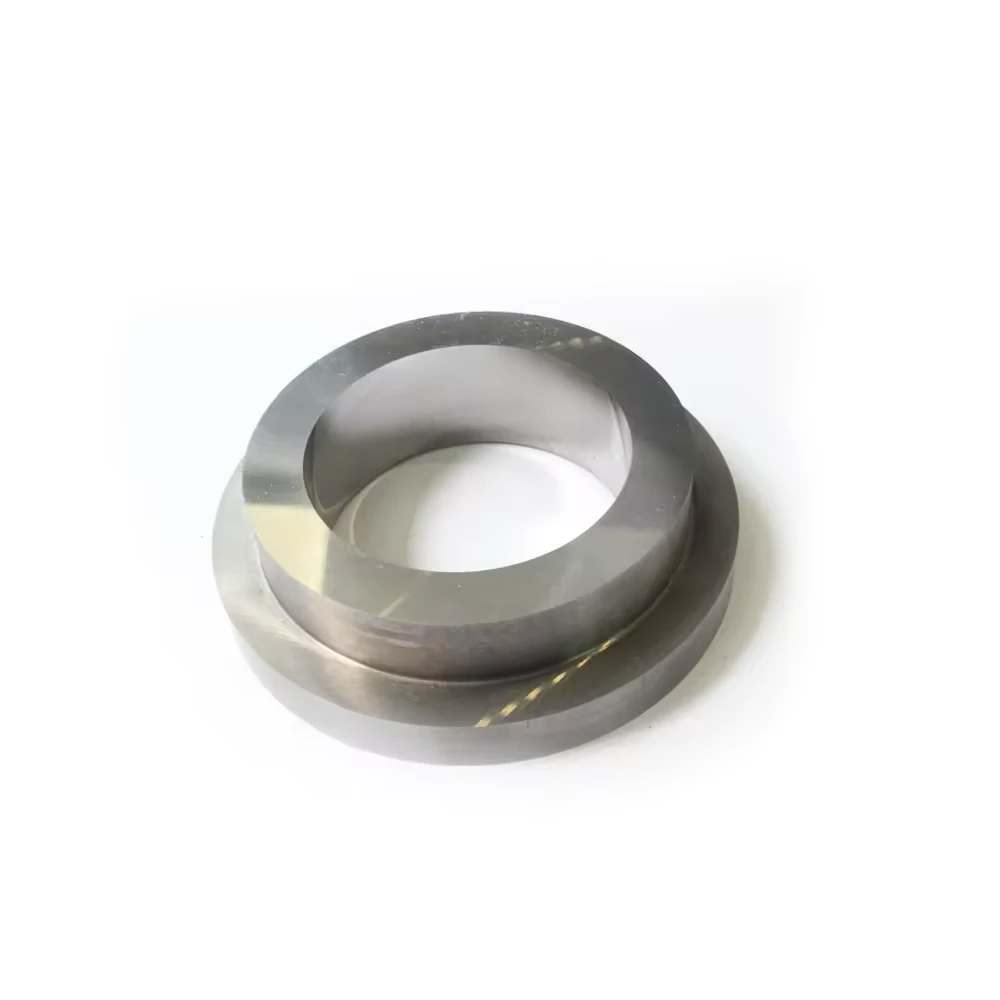
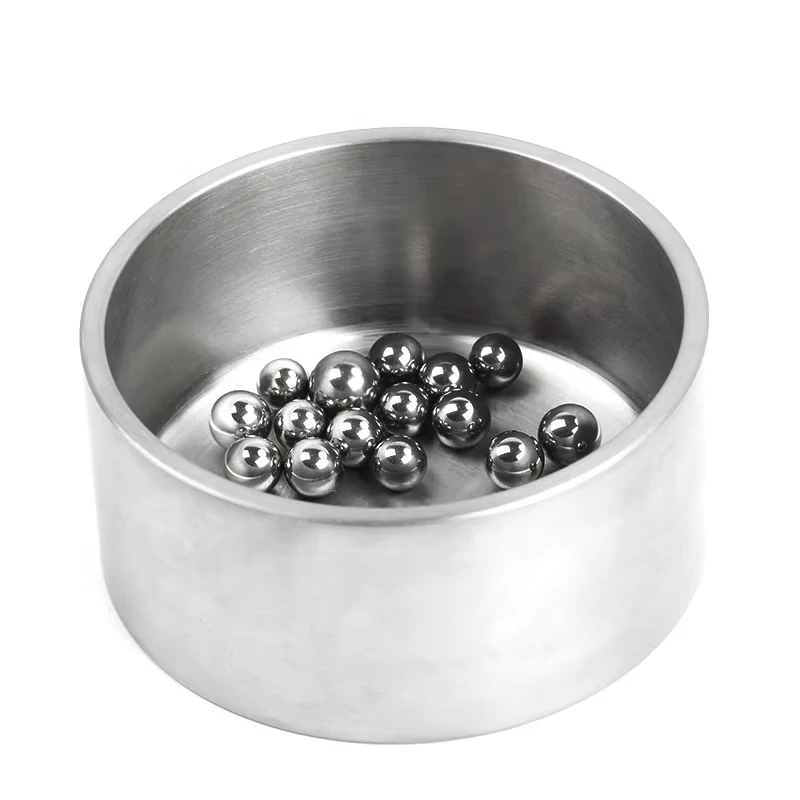
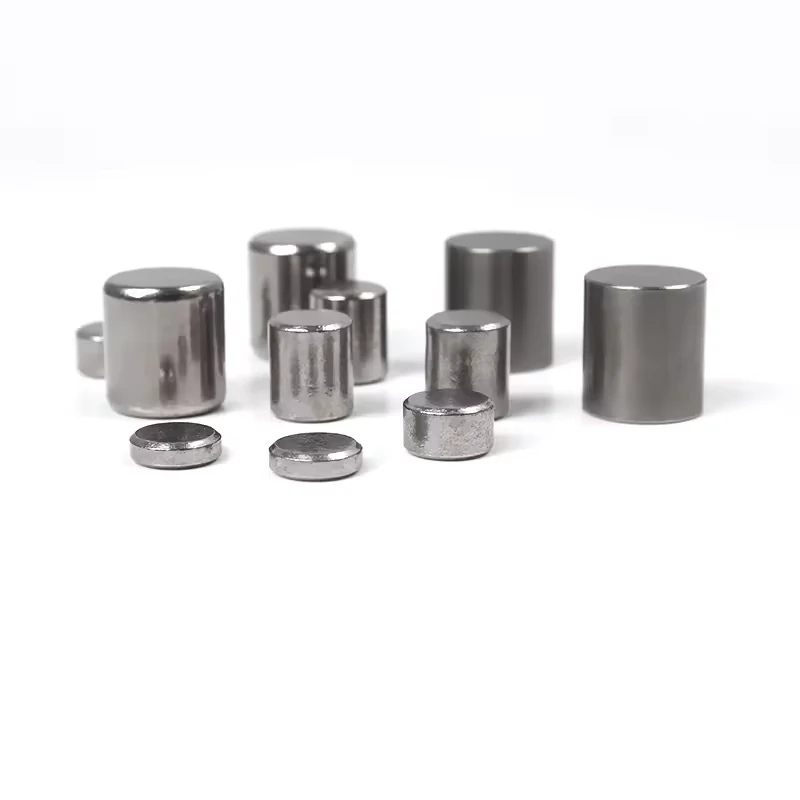
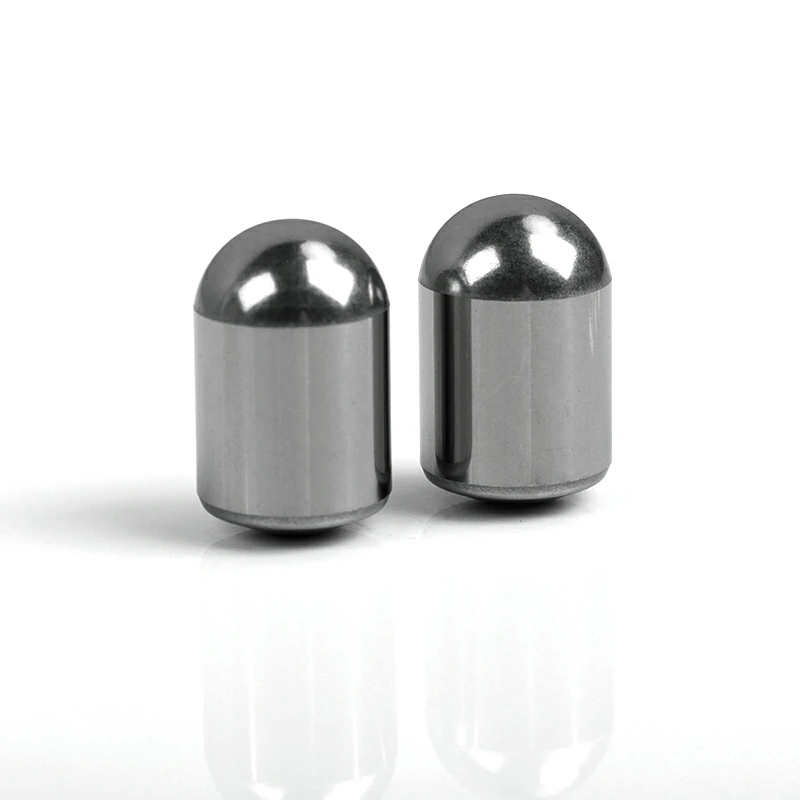
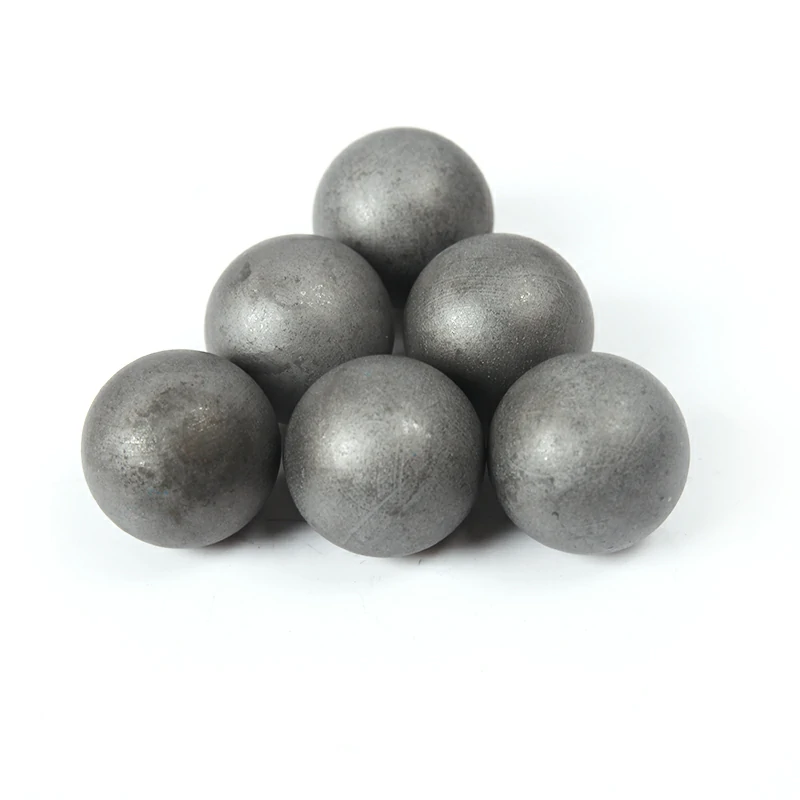
HAO CARBIDE publicly lists tungsten carbide rods, plates, balls, buttons, strips and non-standard products. These categories give overseas buyers a starting point for a product-specific enquiry, but they do not replace project-level confirmation.
When contacting HAO CARBIDE, provide the product form, drawing or sample information, dimensions, tolerances, application conditions, quantity and target timing. If the purchasing team needs a quotation-validity period or special documentation, state that requirement at the beginning. This allows the supplier to identify what can be confirmed from the available information and what requires technical review.
HAO CARBIDE should be evaluated on the actual product and specification, not on a general market headline. A clear RFQ helps both sides distinguish product suitability from price-risk discussion. It also creates a more useful basis for reviewing standard parts, custom parts and repeat-order requirements.
Explore the HAO CARBIDE product range and use [Insert product page URL] when the appropriate rods, plates, balls, buttons, strips or non-standard product page is confirmed. For a project enquiry, use [Insert contact page URL].
FAQ for Tungsten Carbide Buyers
What are tungsten futures, and why are they being discussed now?
Tungsten futures are market contracts designed to reference tungsten-related prices under defined contract terms. They are being discussed because public reporting in October 2026 described a plan for a cash-settled tungsten futures contract. The proposal does not automatically change the price of every physical carbide product.
Do tungsten futures automatically fix the price of carbide products?
No. A futures contract and a physical carbide quotation are different instruments. The finished product price also depends on specification, quantity, manufacturing scope, inspection, packaging, delivery basis and supplier terms.
Should a carbide buyer trade tungsten futures?
This article does not provide investment advice. A buyer should first review its internal procurement and risk policies, then consult appropriately qualified financial and commercial advisers if a financial instrument is being considered. Many buyers can improve risk control simply by clarifying RFQs and quotation validity.
What should be included in a tungsten carbide RFQ?
Include product form, drawing or sample, dimensions, tolerances, application conditions, material or grade requirements, quantity, timing, inspection documents, quotation validity and commercial basis. For non-standard products, identify drawing revisions and assembly constraints.
How can buyers manage quotation validity during raw-material volatility?
Ask each supplier to state the quotation validity period and explain what requires reconfirmation after that date. Keep the specification and quotation version together, and compare suppliers using the same scope. Do not describe a supplier’s adjustment clause as a guaranteed fixed price.
When should a buyer choose a standard carbide part or a non-standard design?
Choose based on the actual application, fit, operating conditions and technical requirements. A standard part may be appropriate when it meets the approved requirement. A non-standard design may require a drawing, sample review and additional confirmation. The supplier should confirm the feasible scope before production.
Conclusion: Improve the RFQ Before Chasing a Market Signal
The planned discussion around tungsten futures may give industrial markets another reference for thinking about tungsten price exposure. For physical tungsten carbide buyers, the first response should be practical: improve the RFQ, align quotation scope, clarify validity, document revisions and ask suppliers to separate confirmed information from assumptions.
If you are sourcing tungsten carbide rods, plates, balls, buttons, strips or non-standard parts, send HAO CARBIDE your drawing or sample information, dimensions, application conditions, quantity and timing. Contact HAO CARBIDE through [Insert contact page URL] to begin a product and quotation discussion.
Sources
Financial Times, “CME plans tungsten futures as demand for weapons rises,” 19 October 2026: source
Financial Times Markets / public market announcement, 19 October 2026: source
HAO CARBIDE official website: https://www.hao-carbides.com/